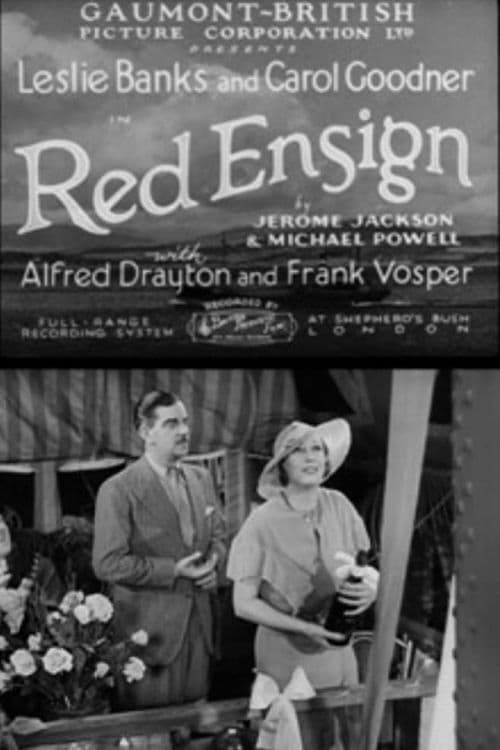
Red Ensign
1934
No user ratings available yet
Representation score: 2.0 out of 10
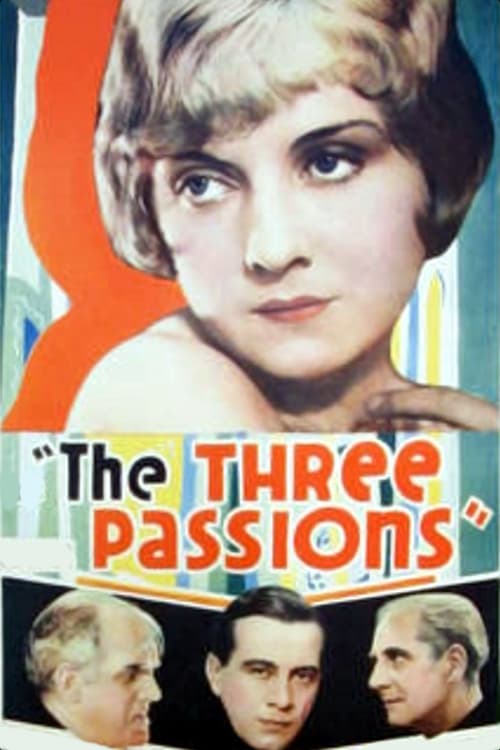
Representation Score
Minimal
1928
Director
Rex Ingram
Runtime
65 minutes
Average Rating
No ratings yetNew Showbiz Analysis
The Three Passions is a traditional period drama that upholds the social and cultural norms of its time. While it offers emotional depth to its female characters, it does so through well-worn clichés of suffering and devotion. The film remains within the historical and demographic boundaries of medieval France, lacking diverse representation and failing to challenge the prevailing social and religious hierarchies.
Category Breakdown
The film focuses on heterosexual relationships and does not include any characters with non-cisgender identities or same-sex relationships.
Female characters receive significant attention to their emotional lives, but their roles are often limited to melodramatic themes of sacrifice and romance.
The cast reflects the historical demographics of 14th-century France, which is predominantly white.
The narrative is rooted in medieval European traditions and aristocratic structures, emphasizing conventional morality and social hierarchies.
There are no significant portrayals of physical or cognitive disabilities that play central roles in the story.
Present on Screen
Limited or Absent
Official Synopsis
A Lord's son aids a seaman's mission but returns to save his sick father's shipyard from strikers.
1934
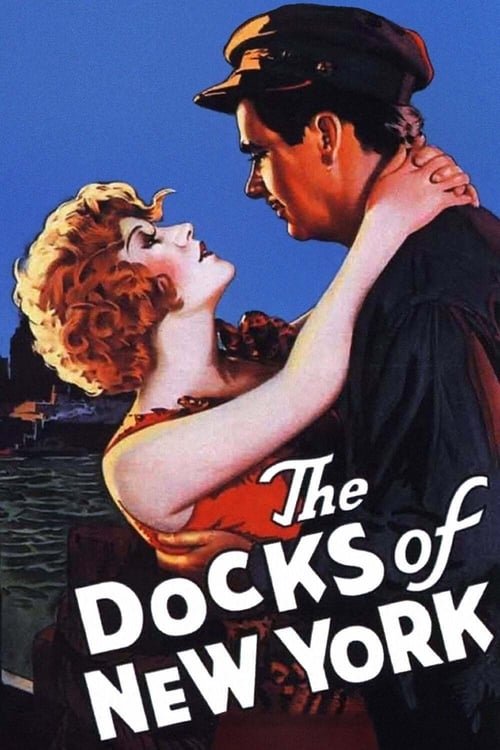
1928
1928

1931
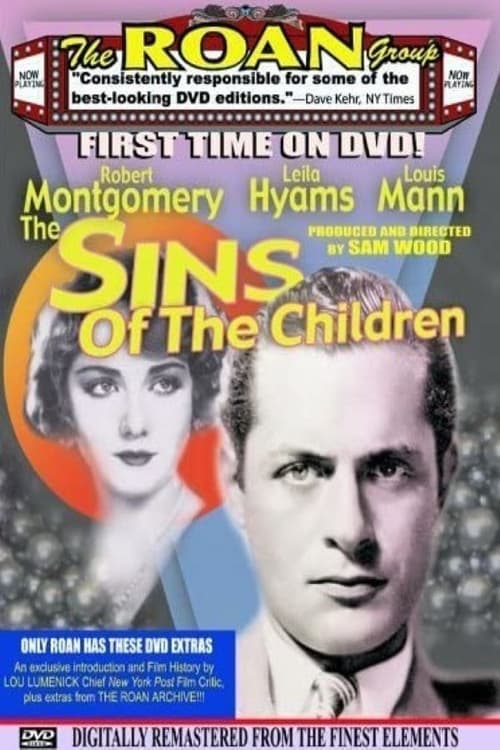
1930

1931
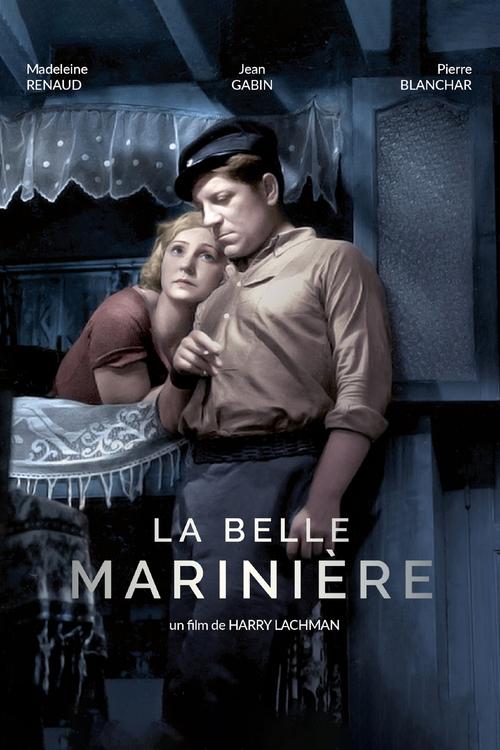
1932
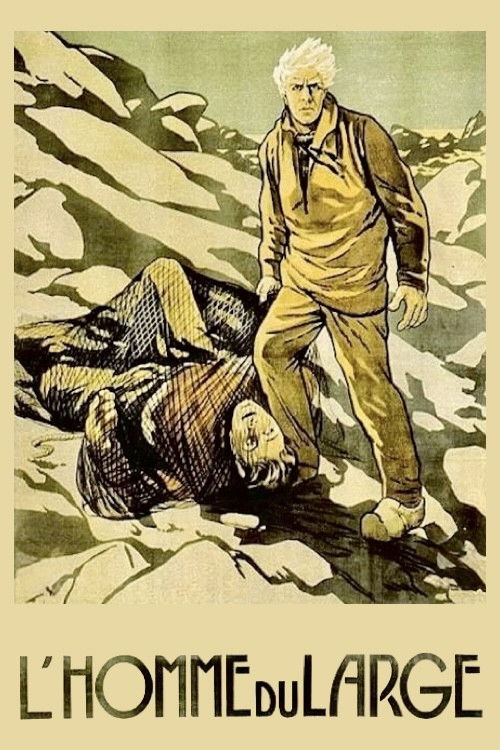
1920
No reviews yet. Be the first to share your thoughts on this movie!
Use the rating form above to leave a star rating and optional review.