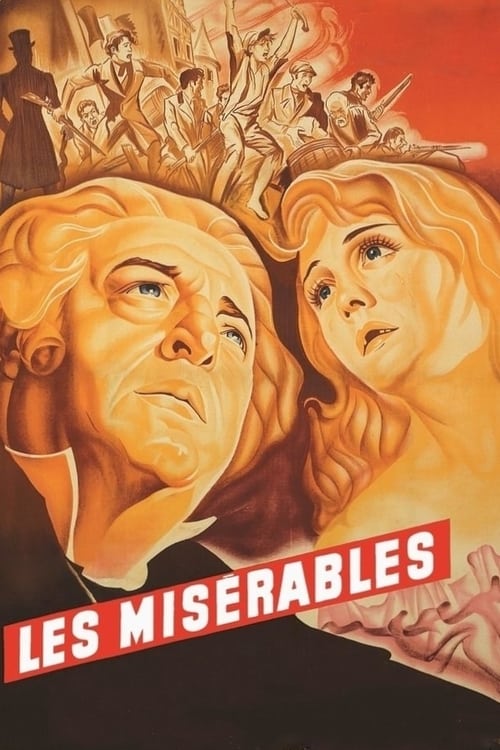
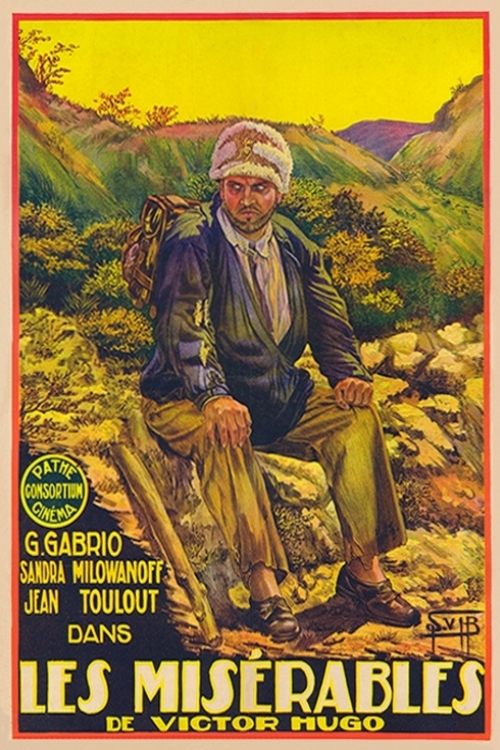
Les Misérables
1934
No user ratings available yet
Representation score: 4.0 out of 10
Representation Score
Fair
1925
Director
Henri Fescourt
Runtime
359 minutes
Average Rating
No ratings yetNew Showbiz Analysis
Fescourt's adaptation is a powerful exploration of systemic critique, focusing more on the critique of institutions than on diverse representation. It excels in deconstructing state authority and examining moral relativism through class struggle and revolution. However, the film remains constrained by the social norms of its era. It lacks visible diversity in terms of race, LGBTQ+ identity, and gender roles, reflecting the demographic homogeneity of 19th-century France. Ultimately, the work's progressive value lies in its challenge to institutional rigidity rather than its portrayal of diverse characters.
Category Breakdown
The film does not include any non-straight or non-cisgender identities or same-sex relationships. It follows the straight-centered social structures of 19th-century France.
The story focuses on male characters like Valjean and Javert. Female characters such as Fantine offer emotional depth but often fit within traditional roles of domesticity or suffering.
The film reflects the homogeneous demographics of 19th-century France. It seems to follow the visual norms of the time, centering on white European identities.
The story strongly critiques established institutions and the legal system. It emphasizes subjective morality and the struggles of the poor against oppressive state authority.
The film touches on the hardships of poverty and imprisonment but lacks nuanced representation of disabilities. These elements likely serve as plot devices to evoke sympathy.
Present on Screen
Limited or Absent
Official Synopsis
In 19th century France, Jean Valjean, a man imprisoned for stealing bread, must flee a relentless policeman named Javert. The pursuit consumes both men's lives, and soon Valjean finds himself in the midst of the student revolutions in France.
1934
1998

1935

1978
1948

1982
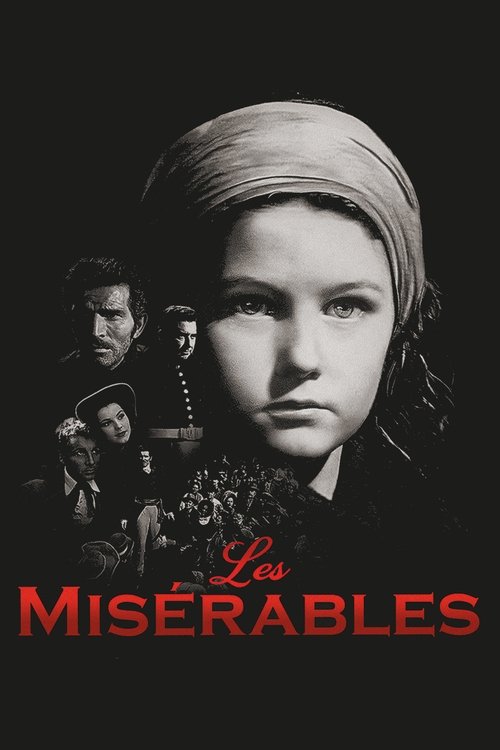
1952
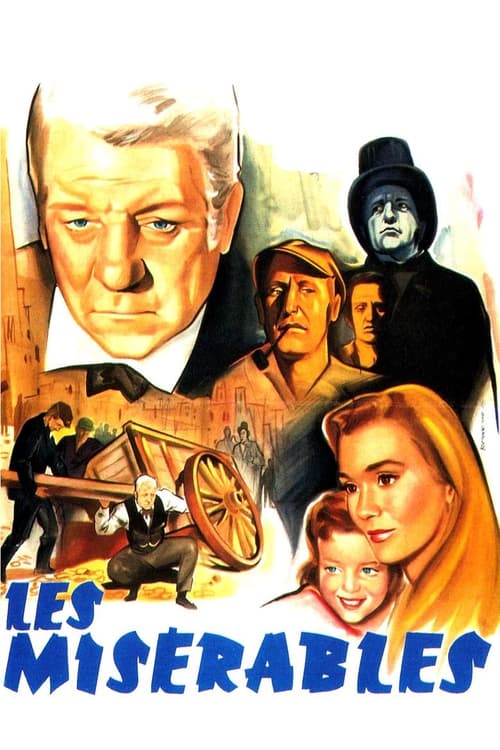
1958
No reviews yet. Be the first to share your thoughts on this movie!
Use the rating form above to leave a star rating and optional review.