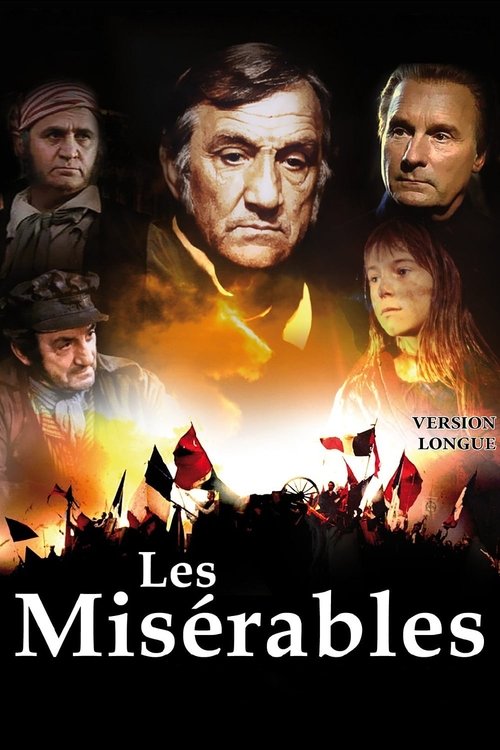
Les Misérables
1982
No user ratings available yet
Representation score: 3.3 out of 10
Representation Score
Limited
1952
ApprovedDirector
Lewis Milestone
Runtime
105 minutes
Average Rating
No ratings yetNew Showbiz Analysis
Lewis Milestone’s adaptation is a classic period drama that adheres to the social and cinematic norms of its time. While the film offers a sophisticated critique of institutional rigidity and socioeconomic disparity, it does so through a lens of individual moralism. The narrative relies on traditional character archetypes and focuses on the spiritual journey of the protagonist. It does not explore multiple layers of identity or disrupt systemic hierarchies. Ultimately, the film reflects the production standards of 1952, prioritizing a Eurocentric, straight-centered, and patriarchal worldview.
Category Breakdown
The film follows strict conventions that assume everyone is straight or cisgender. There are no depictions of same-sex relationships or non-binary gender identities.
Female characters such as Fantine are portrayed as victims of patriarchal oppression. Male characters have more control over the story, while women serve as catalysts for male moral growth.
The cast is predominantly white, reflecting the Eurocentric perspective typical of the 1952 production. There is no diverse ethnic representation.
The story criticizes rigid legal systems through the character of Javert but emphasizes Christian morality and grace. It focuses on individual spiritual redemption rather than systemic change.
The physical and mental struggles of poverty are used as dramatic devices. The film lacks nuanced portrayals of disabilities or neurodivergence as lived experiences.
Present on Screen
Limited or Absent
Official Synopsis
In 19th century France, Jean Valjean, a man imprisoned for stealing bread, must flee a relentless policeman named Javert. The pursuit consumes both men's lives, and soon Valjean finds himself in the midst of the student revolutions in France.
1982

1971
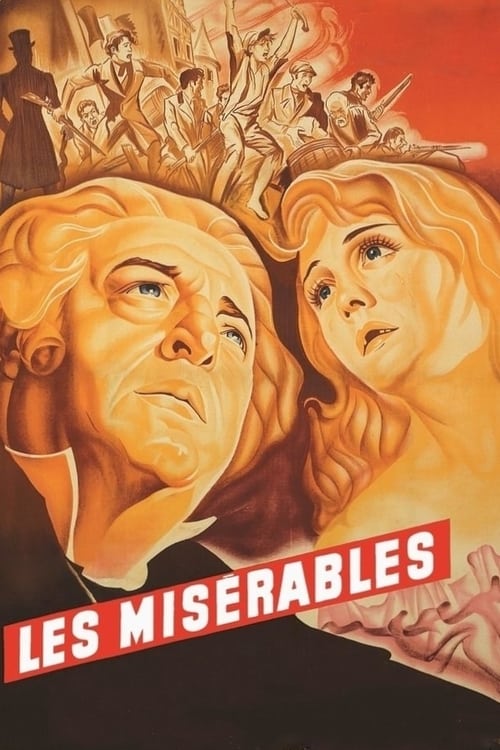
1934
1975

1935
1935
1978
1998
No reviews yet. Be the first to share your thoughts on this movie!
Use the rating form above to leave a star rating and optional review.