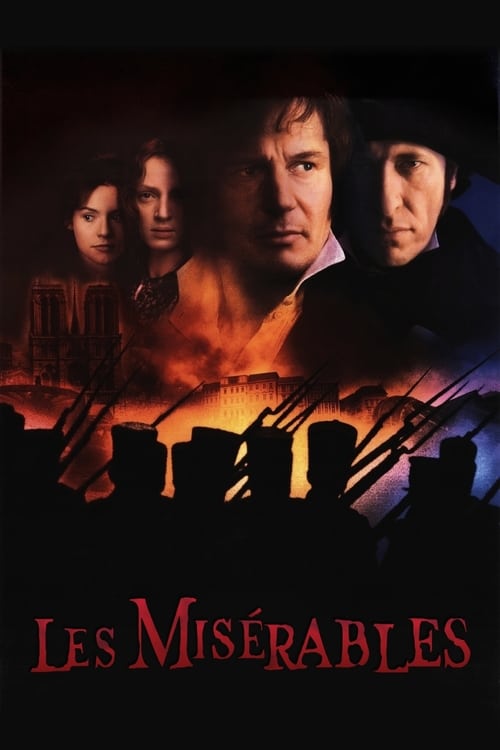
Les Misérables
1998
No user ratings available yet
Representation score: 5.0 out of 10
Representation Score
Limited
1978
Director
Glenn Jordan
Runtime
150 minutes
Average Rating
No ratings yetNew Showbiz Analysis
This adaptation stays true to Victor Hugo’s original work, focusing on class struggle and institutional failures. While it provides a nuanced critique of systemic oppression, it lacks diversity in race and LGBTQ+ representation. The film’s strength lies in its exploration of morality and the struggles of the underprivileged, though it does not challenge traditional gender hierarchies or ethnic diversity.
Category Breakdown
The film follows traditional heterosexual and cisgender norms, showing no same-sex relationships or non-binary identities.
Women are shown within a strict patriarchal system where economic hardship strips them of their power and control.
The cast is uniform, fitting the 19th-century French context, with no emphasis on ethnic diversity.
The film critiques rigid legal systems and subjective morality through the lens of the June Rebellion.
The story highlights the hardships of extreme poverty but does not center on neurodivergence or visible disabilities.
Present on Screen
Limited or Absent
Official Synopsis
In 19th century France, Jean Valjean, a man imprisoned for stealing bread, must flee a relentless policeman named Javert. The pursuit consumes both men's lives, and soon Valjean finds himself in the midst of the student revolutions in France.
1998
1934

1935
1982
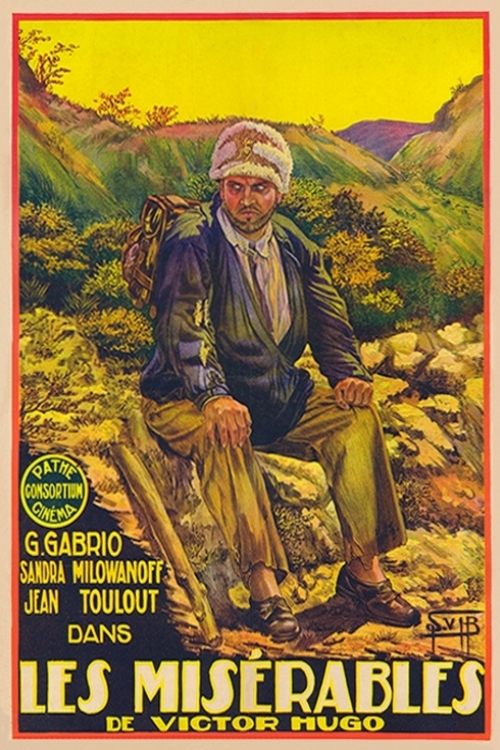
1925
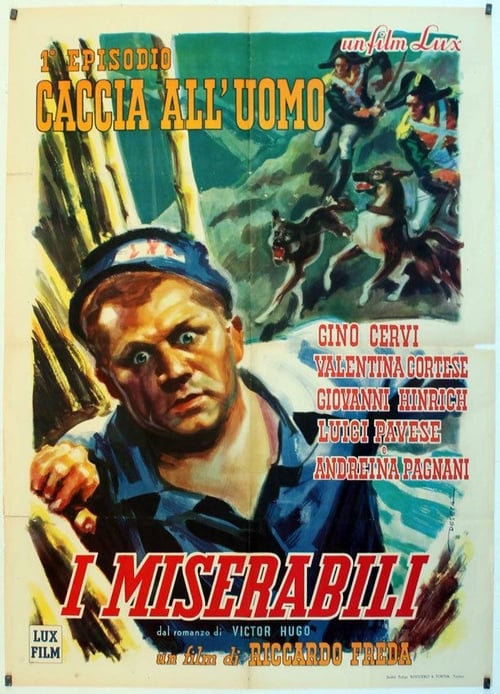
1948
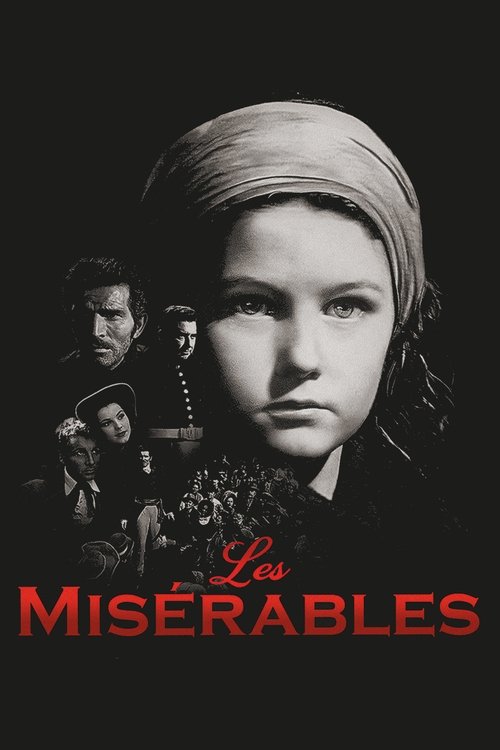
1952
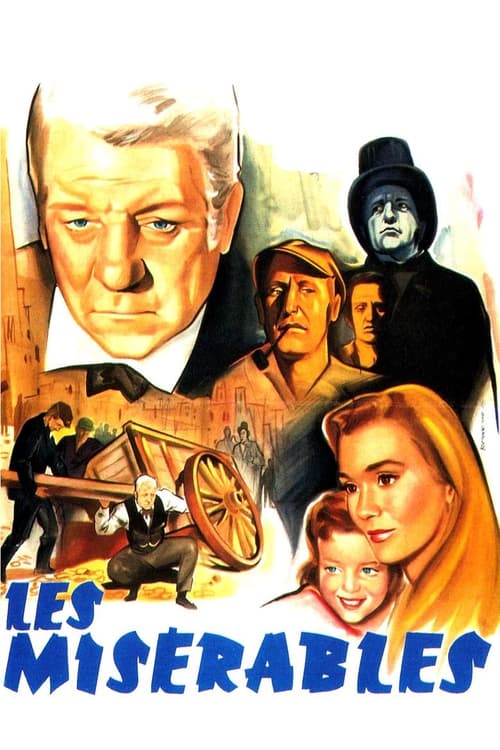
1958
No reviews yet. Be the first to share your thoughts on this movie!
Use the rating form above to leave a star rating and optional review.