
Secret Life of Babies
2014
No user ratings available yet
Representation score: 4.1 out of 10
Representation Score
Fair
2010
PGDirector
Thomas Balmès
Runtime
79 minutes
Average Rating
No ratings yetNew Showbiz Analysis
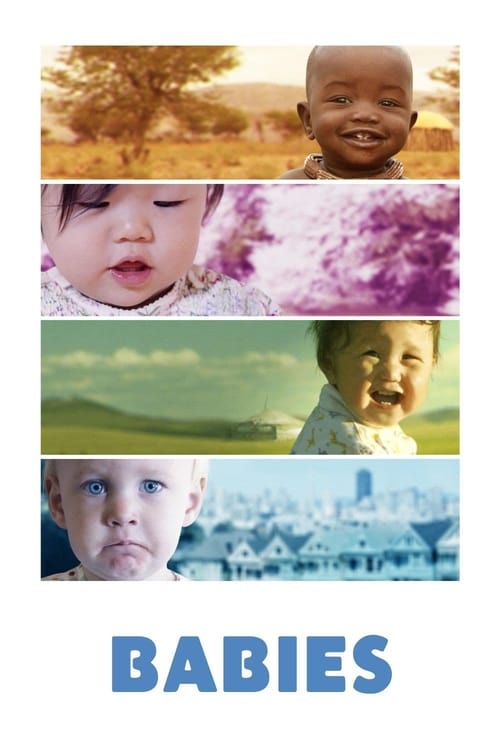
Babies succeeds as a global study of human development by avoiding Western-centric norms. By featuring rural Namibian and Mongolian infants alongside urban subjects from Tokyo and San Francisco, the film presents a pluralistic view of humanity. The documentary uses visual comparisons to contrast communal, nomadic traditions with highly structured, technological environments. This juxtaposition subtly critiques hyper-modernized, capitalist approaches to child-rearing by presenting traditional lifestyles with dignity and organic integration. While the film lacks explicit political discourse or LGBTQ+ representation, its visual architecture challenges the 'standard' upbringing. It offers a diverse spectrum of human experience that goes beyond Anglo-Saxon norms.
Category Breakdown
The film focuses on infancy and caregiving, with no visible presence of LGBTQ+ characters or narratives addressing non-straight relationships.
The narrative centers on maternal and female-led caregiving, avoiding rigid patriarchal structures by emphasizing the domestic and nurturing spheres.
The film showcases a global perspective, presenting Himba and Mongolian communities alongside urban Japanese and American subjects, highlighting a non-Western-centric view of human development.
The structure invites a comparative analysis of cultural values, contrasting communal, resource-sharing lifestyles with individualistic, consumer-driven environments of highly modernized urban settings.
The film focuses on the first year of life and healthy developmental milestones, with no specific depictions of visible or invisible disabilities.
Present on Screen
Limited or Absent
Official Synopsis
A non-narrated documentary following the lovesome lives of four infants from birth to their first birthday. The babies featured are two from rural areas: Ponijao from Opuwo, Namibia, and Bayar from Bayanchandmani, Mongolia, as well as two from urban areas: Mari from Tokyo, Japan, and Hattie from San Francisco, USA.
2014
2002

2006

2016
2006
1978
2006

2017
No reviews yet. Be the first to share your thoughts on this movie!
Use the rating form above to leave a star rating and optional review.