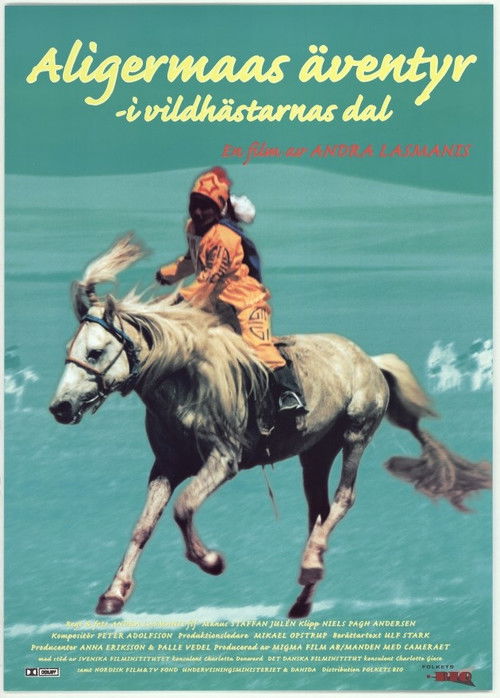
The Adventures of Aligermaa
1998
No user ratings available yet
Diversity score: 6.7 out of 10
2006
Director
Kazuya Yamada
Runtime
110 minutes
Average Rating
No ratings yetSynopsis
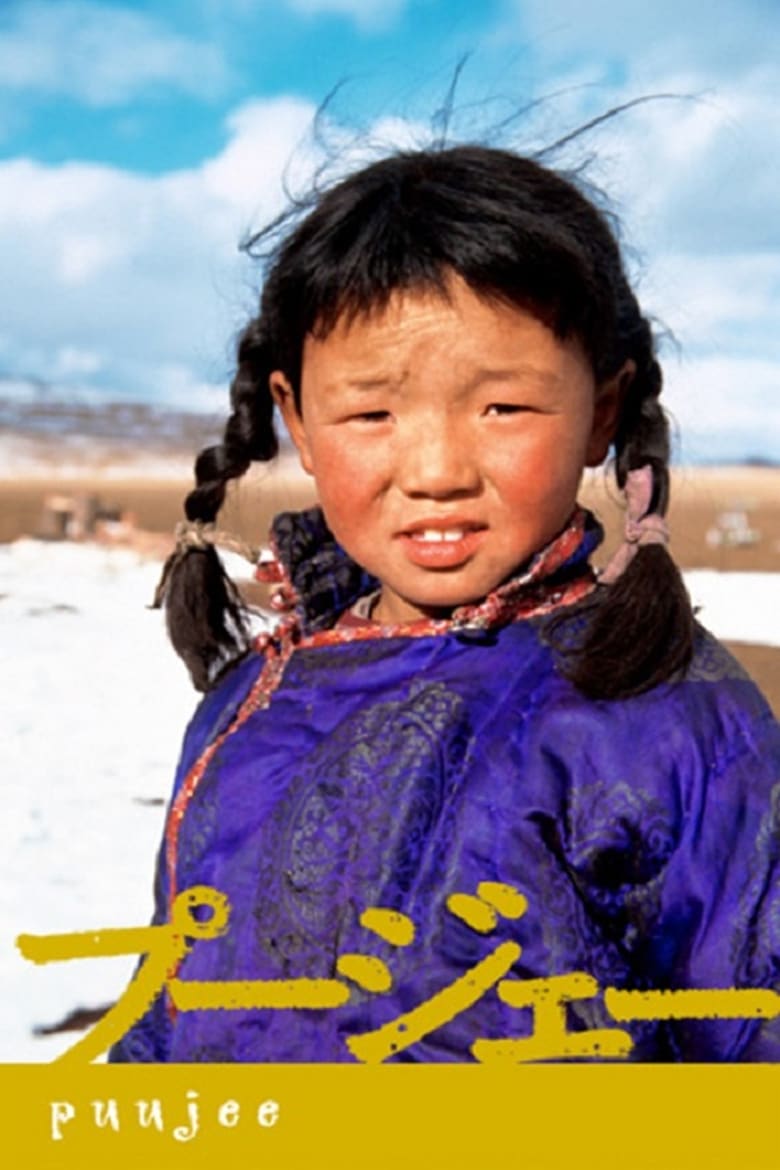
On the Mongolian plains, a young girl, Puujee, helps her herder family with their animals. Chronicling the everyday life of Puujee's family, this documentary offers a fascinating look at Mongolian nomadic culture, which is verging on extinction. Taught to ride horses at an early age and wise beyond her years, the 6-year-old Puujee contributes to the family livelihood with her uncanny ability to tame wild horses.
Overall Score
Good
Category Breakdown
LGBTQ+ Representation
The film focuses on a traditional nomadic family unit. There are no characters or narratives exploring non-heteronormative identities.
Gender Representation
Six-year-old Puujee demonstrates significant agency and technical mastery over wild horses. This subverts traditional hierarchies by centering a young female's competence in roles often associated with masculine strength.
Racial & Ethnic Diversity
The documentary provides high-level representation of Mongolian nomadic culture. It centers a non-Western community and documents a lifestyle that is verging on extinction.
Religious & Cultural Diversity
The narrative prioritizes nomadic traditions over modern urban structures. It emphasizes communal survival and ancestral traditions rather than individualistic Western ideals.
Disability Representation
There is no mention of characters with visible or invisible disabilities within the film's narrative.
Strengths
Areas for Improvement
AI Analysis
Puujee is a compelling documentary that succeeds by centering a disappearing cultural heritage. By focusing on the lived experience of Mongolian nomads, it offers a rare, non-Western perspective that challenges mainstream cinematic norms. The film's greatest strength lies in its subversion of gendered expectations. Seeing a young girl exercise such technical skill and agency in a pastoral setting provides a nuanced view of capability that transcends age and gender. However, the film lacks breadth in other areas of identity. The absence of LGBTQ+ narratives or disability representation limits its scope, keeping the focus strictly on traditional cultural preservation.
1998
2010
2012
2005
2007
2009

2015
2018
2009
2019
2017
1992
No reviews yet. Be the first to share your thoughts on this movie!
Use the rating form above to leave a star rating and optional review.