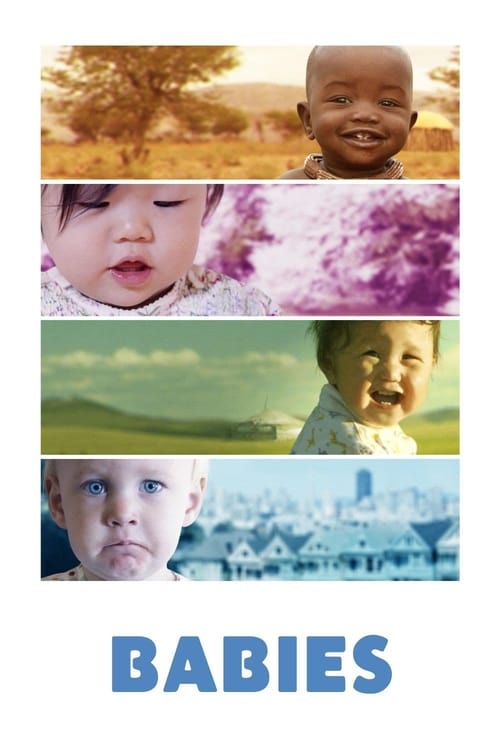
Babies
2010
No user ratings available yet
Diversity score: 6.8 out of 10
2014
Director
Thomas Balmès
Runtime
80 minutes
Average Rating
No ratings yetSynopsis
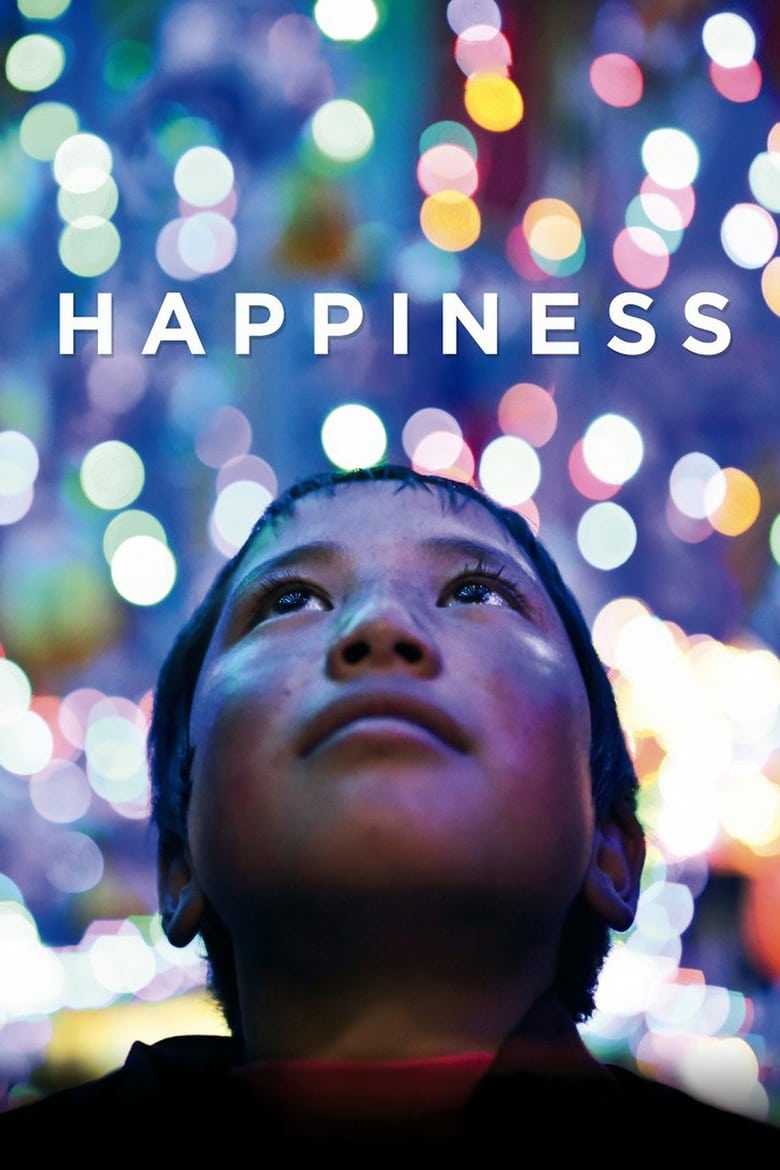
Peyangki is a dreamy and solitary eight-year-old monk living in Laya, a Bhutanese village perched high in the Himalayas. Soon the world will come to him: the village is about to be connected to electricity, and the first television will flicker on before Peyangki's eyes.
Overall Score
Good
Category Breakdown
LGBTQ+ Representation
The film contains no explicit LGBTQ+ narratives or characters. The documentary focuses on the survival mechanics of children in specific geographic locales rather than queer identities.
Gender Representation
The film documents the lived experiences of both boys and girls navigating extreme hardship. It avoids female passivity by showing girls navigating the same high-stakes survival environments as their male counterparts.
Racial & Ethnic Diversity
The film excels by centering subjects in Bhutan, Brazil, India, and Africa. This dismantles the white norm by allowing indigenous and local populations to drive the narrative through their own cultural realities.
Religious & Cultural Diversity
The narrative offers a critique of global economic structures and capitalist frameworks. It portrays children's survival behaviors as systemic consequences of socioeconomic deprivation rather than individual moral failures.
Disability Representation
The film does not center on specific disabilities. However, the pervasive reality of malnutrition and lack of infrastructure creates an environment that is inherently disabling for the subjects.
Strengths
Areas for Improvement
AI Analysis
Thomas Balmès' documentary provides a profound examination of global inequality by shifting the focus away from Western-centric developmental milestones. It succeeds most significantly in its commitment to racial and ethnic diversity, effectively dismantling the traditional white gaze through its focus on the Global South. The film's strength lies in its ability to center the agency of indigenous populations across various continents. By documenting the raw realities of childhood in Bhutan, Brazil, and Africa, it offers a powerful counter-narrative to Western-centric depictions of development. However, the film lacks specific representation for LGBTQ+ identities or neurodivergent narratives. While it addresses the systemic disabling effects of poverty, it does not explicitly center individual disability stories.
2010
2020
2024
2005
2014
2017
2015
2020
2014
2013
2007
2008
No reviews yet. Be the first to share your thoughts on this movie!
Use the rating form above to leave a star rating and optional review.