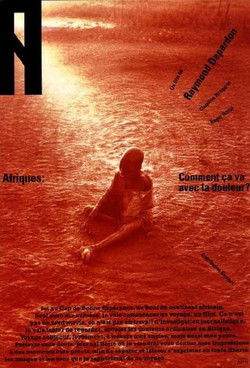
Afriques : comment ça va avec la douleur ?
1996
No user ratings available yet
Representation score: 6.4 out of 10
Representation Score
Fair
2009
TV-PGDirector
Brook Silva-Braga
Runtime
78 minutes
Average Rating
No ratings yetNew Showbiz Analysis
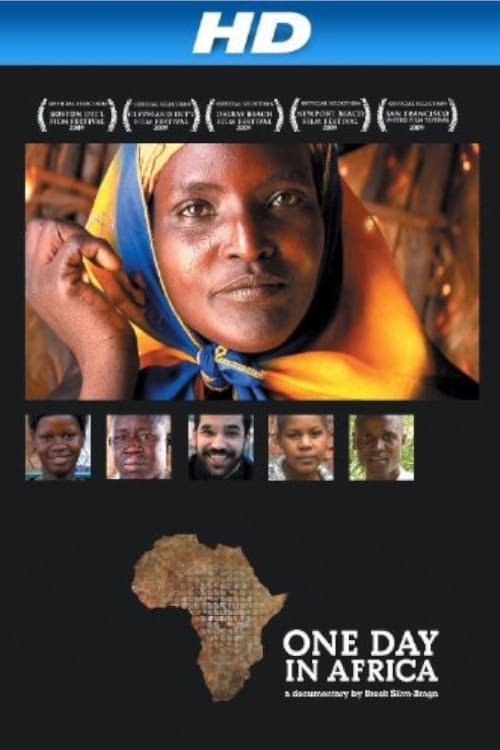
One Day in Africa serves as a corrective to traditional ethnographic filmmaking. By decentralizing the Western gaze, the documentary prioritizes the ability to act of local subjects across multiple African nations. The film's strength lies in its geographic and cultural plurality. It avoids the reductive 'outsider looking in' perspective, instead allowing a non-Anglo-Saxon majority to drive the narrative through diverse settings. However, the film's focus on 'normal people' and general socioeconomic roles leaves questions regarding more specific identity-based subversions. There is little evidence of intentional representation for LGBTQ+ or disabled communities.
Category Breakdown
The film does not feature any explicitly identified LGBTQ+ characters or narratives. While the documentary format allows for incidental presence, no non-assuming gender matches what was assigned at birth identities are highlighted.
The narrative employs a multi-vocal approach across various socioeconomic roles, from Kenyan offices to Malian farms. It aims to move beyond singular archetypes by showcasing both men and women.
The film excels by centering local inhabitants in Kenya, Mali, Morocco, and Niger. This disrupts the Western travelogue cliché by empowering local ability to act over an outsider's perspective.
By presenting six distinct versions of the continent, the film challenges flattened global media stereotypes. It engages with the intersection of tradition and modernity through a localized lens.
There is no specific information regarding the depiction of physical or neurodivergent identities within the film's provided context.
Present on Screen
Limited or Absent
Official Synopsis
In Kenyan offices and Malian farms, in Moroccan tea houses and Nigerien huts normal people of various backgrounds go about their lives. On a single day at the messy juncture of tradition and modernity, six people from different geographic and cultural backgrounds describe six versions of the African story.
1996
2010

1982
2011
2008
2004
2007
2011
No reviews yet. Be the first to share your thoughts on this movie!
Use the rating form above to leave a star rating and optional review.