Pandas
2018
No user ratings available yet
Representation score: 0.4 out of 10
Representation Score
Limited
2016
GDirector
Lu Chuan
Runtime
76 minutes
Average Rating
No ratings yetNew Showbiz Analysis
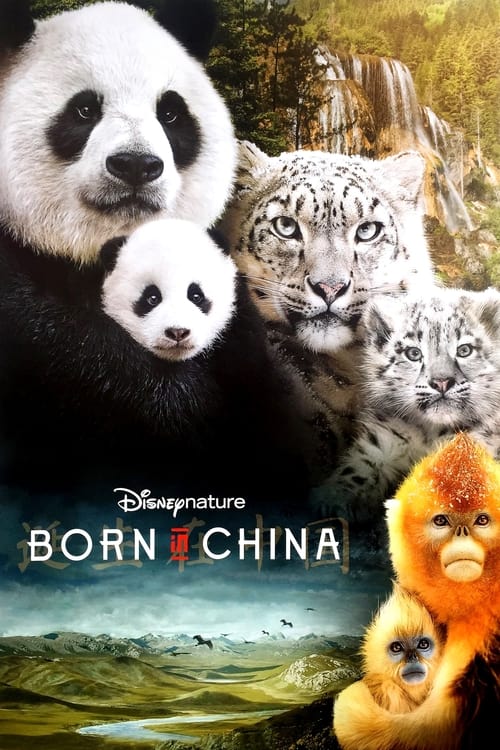
Born in China is a nature documentary that emphasizes ecological observation over human-centric social narratives. Since the subjects are non-human animals, the film does not have the context to address traditional diversity metrics like LGBTQ+ identity or human disability. However, the film succeeds in providing a non-Western perspective by focusing on the indigenous wildlife of China. This avoids the typical Western-centric lens often seen in nature documentaries. The portrayal of female animals highlights their resilience and biological ability to act. Ultimately, the score reflects the limitations of the documentary format. While it offers a unique geographic perspective, it cannot provide the detailed character arcs found in scripted human dramas.
Category Breakdown
The film focuses on the behavior of animals in nature. It does not include any depictions of LGBTQ+ identities or social constructs related to human relationships.
The film highlights the role of female animals such as pandas and snow leopards. It showcases their strength and resilience in raising their young.
By focusing on the native wildlife of China, the film provides a non-Western perspective. It explores the identity of these animals within their natural habitat.
The film presents a secular, biological perspective focused on survival. It avoids Western-centric ecological views and human-centric social structures.
There are no human characters or specific animal portrayals used to represent disabilities. The focus remains on the physical vitality and survival instincts of the animals.
Present on Screen
Limited or Absent
Official Synopsis
Venturing into the wilds of China, "Born in China" captures intimate moments with a panda bear and her growing cub, a young golden monkey who feels displaced by his baby sister, and a mother snow leopard struggling to raise her two cubs.
2018
2021
2014
2004
2012
2014

2016
2015
No reviews yet. Be the first to share your thoughts on this movie!
Use the rating form above to leave a star rating and optional review.