
Twin Sisters
2013
No user ratings available yet
Representation score: 6.1 out of 10
Representation Score
Fair
2007
K-3Director
Kiti Luostarinen
Runtime
69 minutes
Average Rating
No ratings yetNew Showbiz Analysis
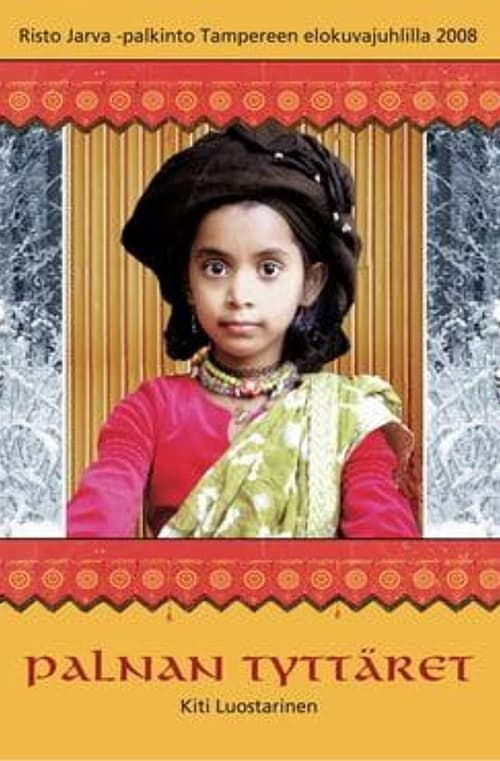
Palna's Daughters presents a thoughtful examination of the fluidity of kinship and the construction of identity. By focusing on a non-Western protagonist, the film breaks away from typical domestic dramas and questions the dominance of biological family structures. The narrative redefines motherhood by emphasizing emotional connections rather than genetic ties. This approach supports a more inclusive understanding of family based on choice. While the film does not include explicit political messages or LGBTQ+ representation, it excels in exploring the globalized concept of kinship and the intricacies of the adoptive experience.
Category Breakdown
The film focuses on the relationship between an adopted child and their adoptive parent. There are no LGBTQ+ characters or representations of non-straight relationships.
The story emphasizes the role of women, particularly Devi, highlighting their emotional intelligence and the importance of domestic and emotional life through a female perspective.
The film highlights the complexity of race by focusing on an Indian child and the social environment of Delhi. This challenges a Western-centric viewpoint.
The story explores systemic issues and the subjective nature of memory, questioning traditional Western ideas about biological heritage.
There is no specific mention of physical or cognitive disabilities in the film. However, it touches on physical vulnerability through themes of starvation.
Present on Screen
Limited or Absent
Official Synopsis
A film about memory, identity and the overwhelming power of love. One-year-old Devi was found starving at a railway station in Delhi. The police took her to Palna, an orphanage, where she lived for a year. When Devi learned to talk she often wanted to talk about Amma, her first mother. In the film, the 6-year-old Devi journeys to her own past, as her family adopts another daughter from Palna, a baby sister for Devi.
2013

2023

2021
2010

2006

2015

2012

2016
No reviews yet. Be the first to share your thoughts on this movie!
Use the rating form above to leave a star rating and optional review.