Tropic of Cancer
2004
No user ratings available yet
Representation score: 8.5 out of 10
Representation Score
Fair
2011
Director
Eugenio Polgovsky
Runtime
90 minutes
Average Rating
No ratings yetNew Showbiz Analysis
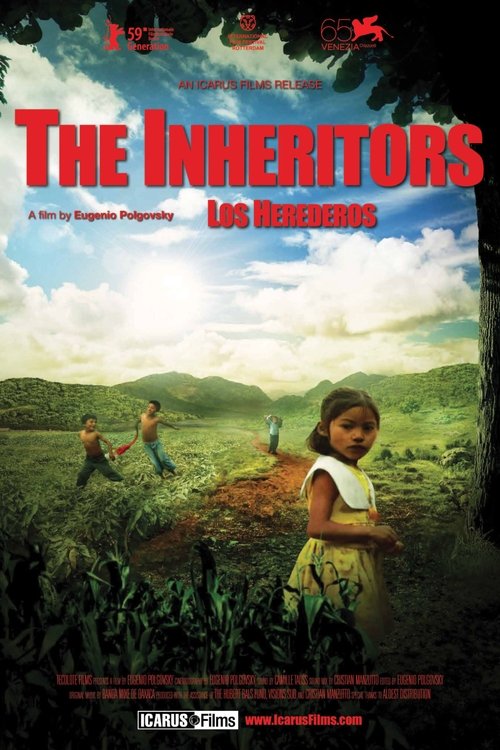
The Inheritors serves as a sociological study of rural Mexican poverty, using long-term immersion to provide ethnographic depth. It succeeds by deconstructing idealized Western concepts of childhood and centering the systemic realities of underrepresented ethnic and class identities. However, the documentary lacks specific data regarding LGBTQ+ representation or disability. The focus remains strictly on the intersection of geography, ethnicity, and economic hardship.
Category Breakdown
The documentary focuses on rural socioeconomic survival. There is no evidence of LGBTQ+ character arcs or narratives.
The film documents children engaged in labor, challenging traditional domestic hierarchies. While specific gendered power dynamics are not detailed, the focus shifts from protection to economic ability to act.
The film provides actively leading representation of rural Mexican communities. It avoids a touristic gaze by centering the lived experiences of non-Anglo-Saxon populations through class and geography.
The narrative offers a critique of Western economic models by documenting the necessity of child labor. It prioritizes the lived reality of the oppressed over idealized depictions of childhood.
While poverty often intersects with health challenges, there is no specific evidence to confirm the presence of characters with visible or invisible disabilities.
Present on Screen
Limited or Absent
Official Synopsis
The Inheritors immerses us in the daily lives of children who, with their families, survive only by their unrelenting labor. Polgovsky spent two years filming in many of the poorest rural areas of Mexico.
2004

2000
2009

2010
2010

2000
1975
2004
No reviews yet. Be the first to share your thoughts on this movie!
Use the rating form above to leave a star rating and optional review.