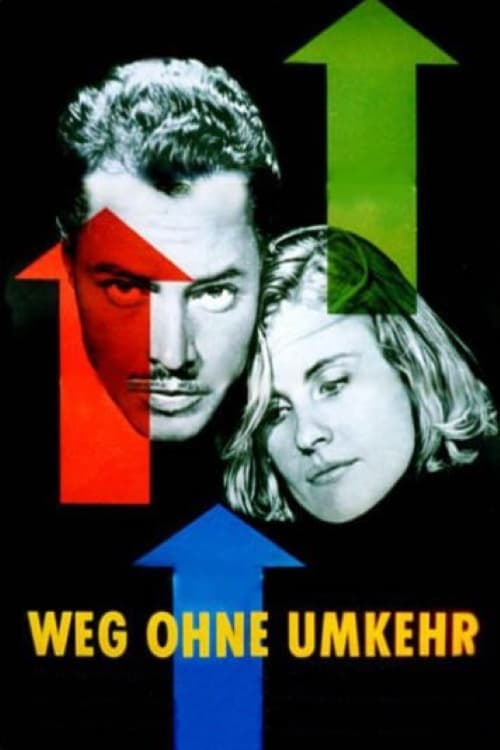
No Way Back
1954
No user ratings available yet
Representation score: 3.7 out of 10
Representation Score
Good
1962
Director
Sergei Gerasimov
Runtime
200 minutes
Average Rating
No ratings yetNew Showbiz Analysis
Sergei Gerasimov’s drama examines the human condition through the lens of historical upheaval and displacement. The film explores how identity is reconstructed after systemic collapse. The narrative grants autonomy to female professionals, challenging traditional domestic roles. It also delves into the psychological impact of war and the moral weight of returning to one's homeland. However, the film adheres to the conventional social structures of its era. It lacks explicit representation of non-assuming gender matches what was assigned at birth identities and does not use modern perspectives that reflect multiple aspects of identity to address ethnic hierarchies.
Category Breakdown
The film focuses on traditional relationships and the reintegration of a soldier. There are no explicit LGBTQ+ characters or critiques of the assumption that everyone is straight or cisgender.
Female characters play significant roles in the story. For example, Dr. Anna Andreyevna actively participates in the post-war recovery process and helps rebuild society.
The cast likely reflects the multi-ethnic makeup of the USSR. However, the film does not explicitly highlight specific instances of racial blending or intentional diverse casting.
The story emphasizes secularism and collective survival over religious beliefs. Returning to the homeland is a central moral imperative after years of displacement.
Characters bear the invisible scars of trauma from the Siege of Leningrad and war. While specific disabilities are not mentioned, the physical realities of survival are central to the story.
Present on Screen
Limited or Absent
Official Synopsis
The plot is based on the dramatic fate of the Red Army commander Aleksei Ivanovich Pavlov. Having been captured in January 1942 and being among the displaced persons, he didn't immediately decide to return to the USSR. Having rolled around the foreign country for 17 years, Aleksei nevertheless returned to his homeland. He goes to his brother in the south of the country to Sevastopol. Aleksei accidentally meets the doctor Anna Andreyevna, who was saved from death in besieged Leningrad. She travels by car from Moscow and also to the south, with her daughter Tanya; she suggests he join them. Aleksei tells about his life on the road.
1954

1977
1946

1959
1953

2010
2021

1968
No reviews yet. Be the first to share your thoughts on this movie!
Use the rating form above to leave a star rating and optional review.