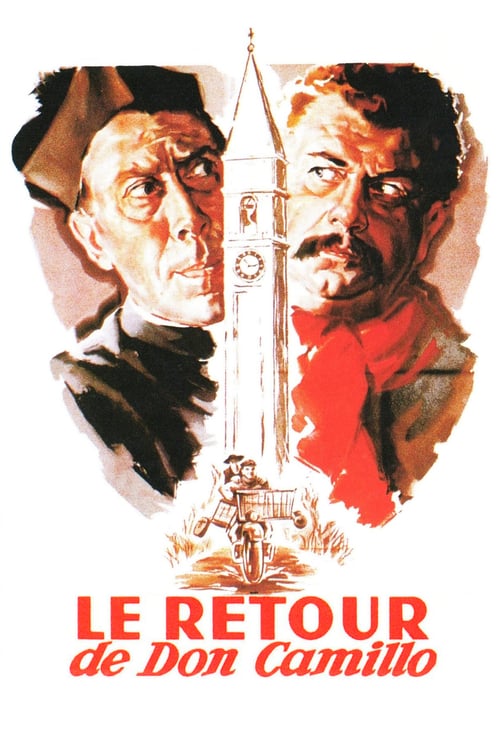
The Return of Don Camillo
1953
No user ratings available yet
Diversity score: 3.2 out of 10
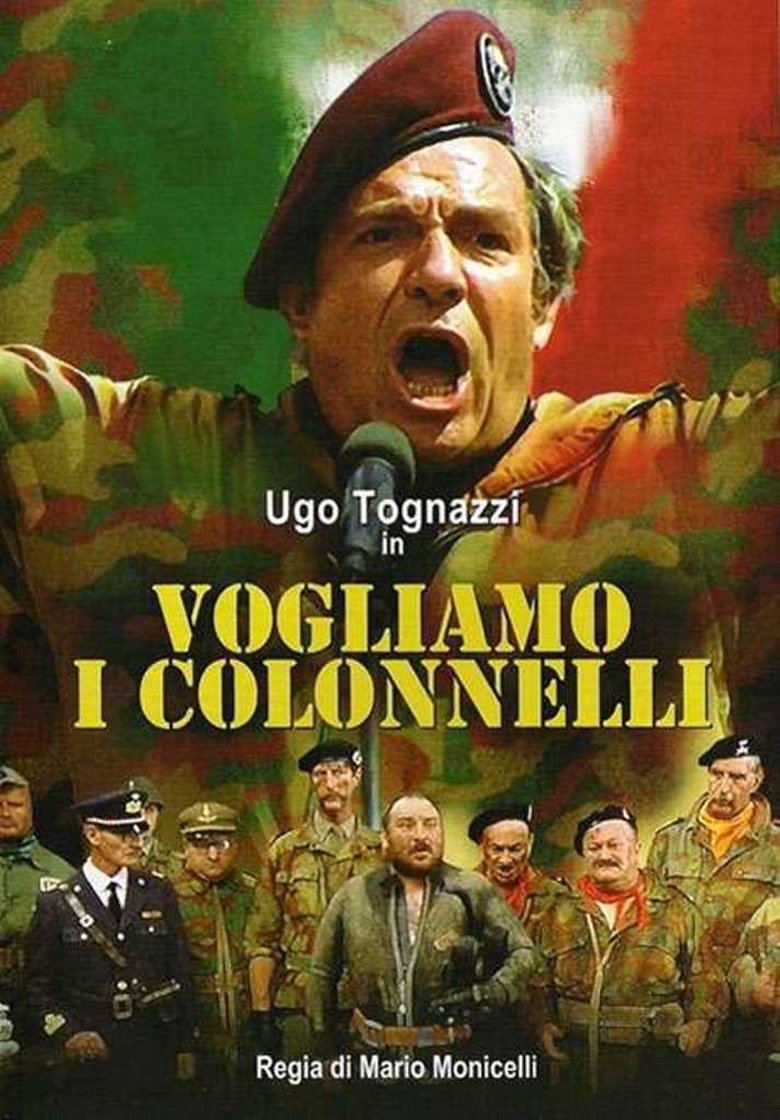
1973
Director
Mario Monicelli
Runtime
102 minutes
Average Rating
No ratings yetSynopsis
Italy 1973. Giuseppe Tritoni (Ugo Tognazzi) is an ultra-right-wing congressman that doesn't agree anymore with his fascist party policy. He contacts many Italian Army officers and built a net of relationship in order to organize a Coup d'Etat (Golpe). Something goes wrong and the Interior Minister (Home Secretary) Mr. Li Masi (Lino Pugliesi) got the all information about the attempted Golpe. So the Minister organizes a counter-Golpe. Tritoni desperately, to save his project, kidnaps the Italian Republic President (Claude Dauphin) that immediately dies for heartache. Now Minister Mr. Li Masi is free to lay down the law to the rest of the country, realizing basically the actual Golpe! Tritoni surrenders and will spend rest of his time trying to sell his ideas about managing Golpe in Africa!
Overall Score
Limited
Category Breakdown
LGBTQ+ Representation
The film lacks visible LGBTQ+ characters or narratives exploring non-cisnormative identities. The story remains strictly confined to the hyper-masculine sphere of the Italian military and political elite.
Gender Representation
The film functions as a male-dominated political farce. It focuses almost exclusively on the ambitions of male officers and politicians, lacking female agency or the subversion of gendered power dynamics.
Racial & Ethnic Diversity
The cast is largely homogeneous, reflecting the specific context of the Italian political landscape. There is no evidence of racial or ethnic diversity within the narrative.
Religious & Cultural Diversity
The film excels in its critique of nationalist institutions. It uses satire to deconstruct the grand narratives of Fascism and challenges the legitimacy of authoritarian structures.
Disability Representation
There is no significant evidence regarding the portrayal of physical or neurodivergent disabilities in the film.
Strengths
Areas for Improvement
AI Analysis
Mario Monicelli’s satire provides a sharp critique of institutional authority and nationalist ideology. By framing the pursuit of power as an absurd and morally relativistic endeavor, the film dismantles the perceived sanctity of military hierarchies. However, this intellectual depth is offset by a lack of demographic breadth. The narrative is heavily centered on a homogeneous group of men, leaving little room for diverse identities or perspectives. Ultimately, the film is a sophisticated postmodern critique that prioritizes the deconstruction of systemic structures over the inclusion of varied human experiences.
1953
1972

1962
1947
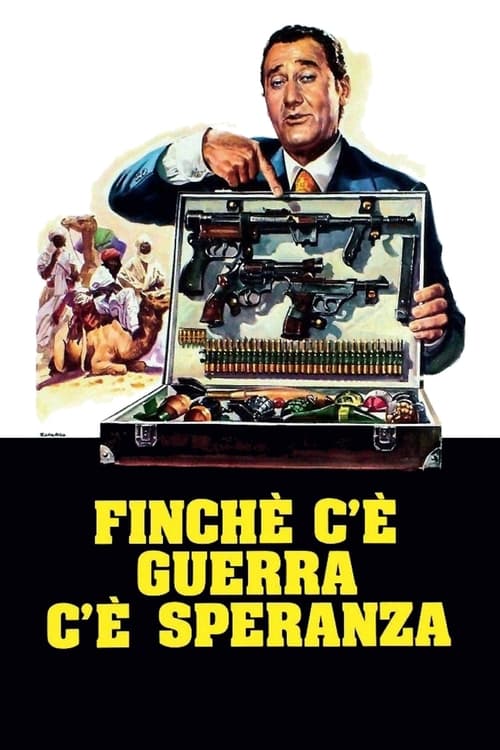
1974
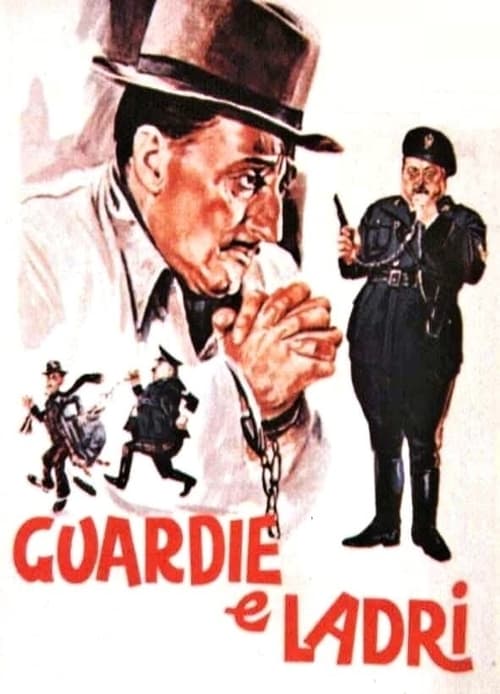
1951
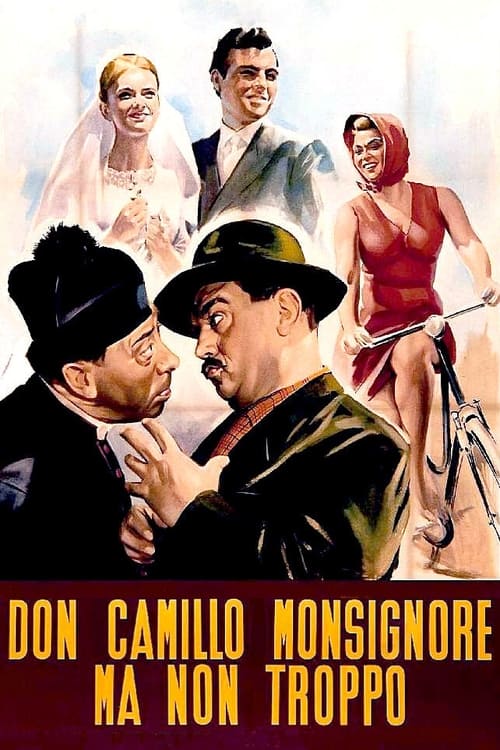
1961

1975
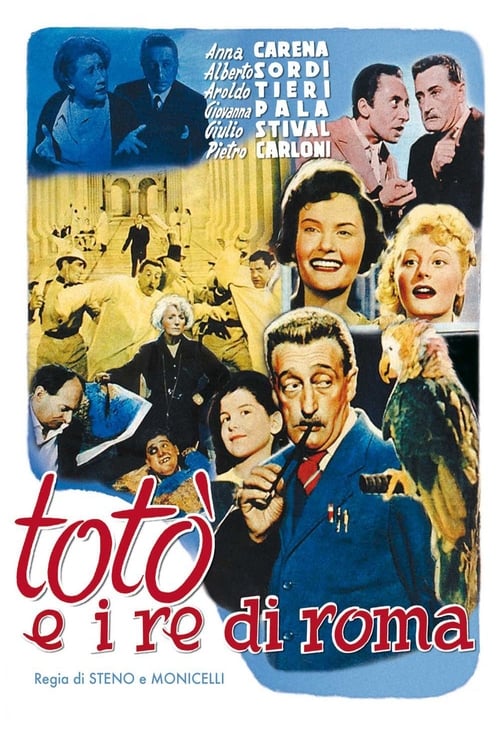
1952

1960
1963
1954
No reviews yet. Be the first to share your thoughts on this movie!
Use the rating form above to leave a star rating and optional review.