
Love and Larceny
1960
No user ratings available yet
Diversity score: 4.1 out of 10
1962
Director
Dino Risi
Runtime
94 minutes
Average Rating
No ratings yetSynopsis
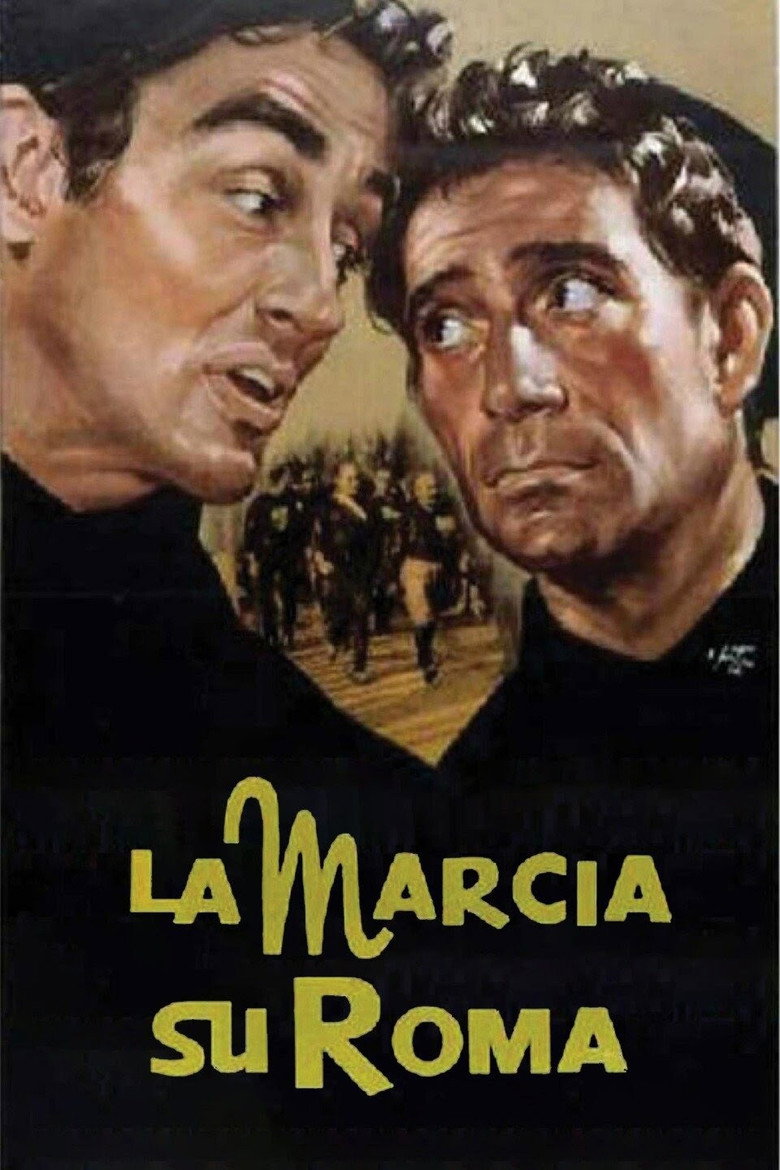
March on Rome (Italian: La marcia su Roma) is a 1962 comedy film by Dino Risi with Vittorio Gassman and Ugo Tognazzi, aimed at describing the March on Rome of Benito Mussolini's black shirts from the point of view of two newly recruited, naïve black shirts
Overall Score
Fair
Category Breakdown
LGBTQ+ Representation
The film contains no evidence of LGBTQ+ characters or narratives. Such depictions were statistically rare in 1962 Italian cinema and are absent here.
Gender Representation
The narrative focuses on the experiences of male protagonists within a political movement. Agency is concentrated in male characters, reflecting the historical constraints of the era.
Racial & Ethnic Diversity
The setting and production context suggest a homogeneous European demographic. The story focuses on internal Italian political dynamics rather than intersectional racial diversity.
Religious & Cultural Diversity
The film uses satire to critique authoritarianism and traditional political institutions. By framing the movement through naivety, it disrupts heroic myths with systemic absurdity.
Disability Representation
There are no specific details regarding the depiction of physical or neurodivergent characters in this work.
Strengths
Areas for Improvement
AI Analysis
March on Rome functions as a satirical deconstruction of Fascism rather than a study in demographic breadth. By centering the story on two naive recruits, the film strips the historical movement of its dignity, replacing grandiosity with human fallibility and ridicule. While the film excels at subverting political hierarchies through its comedic lens, it remains limited by its historical and social scope. The narrative is heavily centered on male perspectives and a homogeneous European cast, offering little in the way of intersectional representation. Ultimately, the film's strength lies in its intellectual subversion of power dynamics. It prioritizes the critique of systemic indoctrination over a diverse range of identities, making it a study of political absurdity rather than social inclusivity.
1960
1957

1958
1965
1968
1964
1957
1961

1962
1955
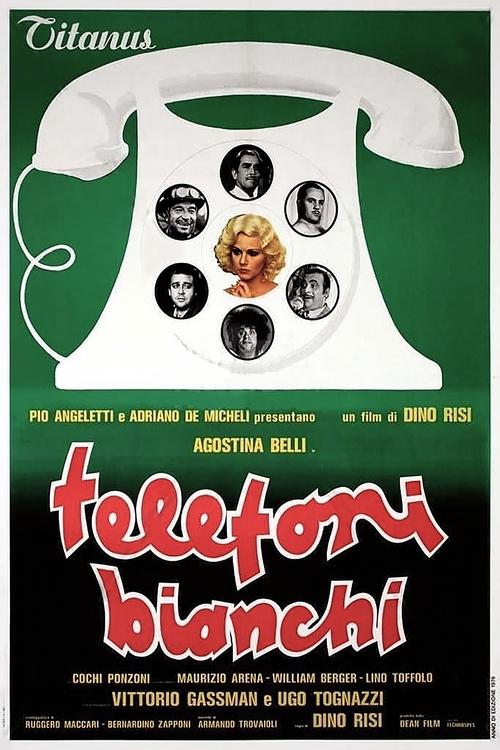
1976
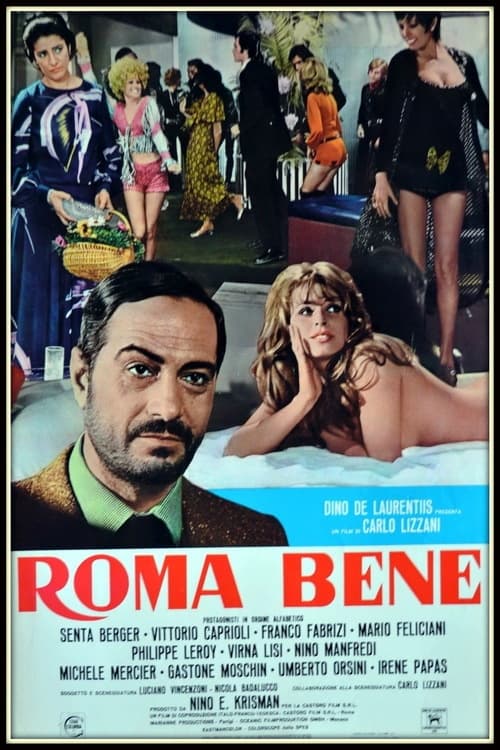
1971
No reviews yet. Be the first to share your thoughts on this movie!
Use the rating form above to leave a star rating and optional review.