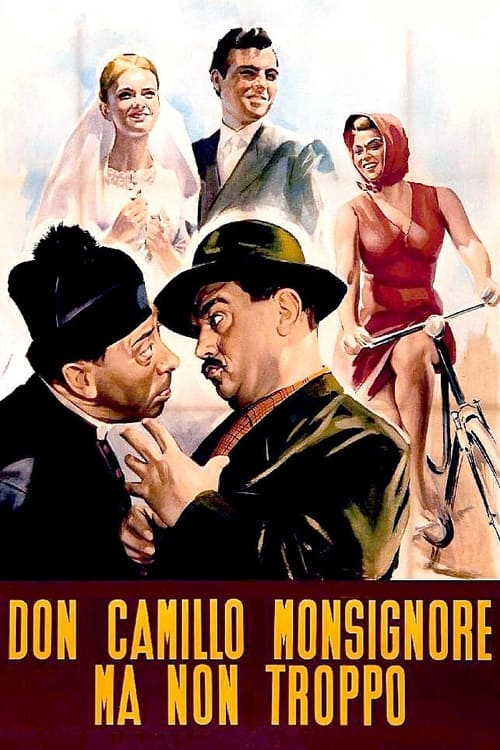
Don Camillo: Monsignor
1961
No user ratings available yet
Representation score: 1.2 out of 10
Representation Score
Limited
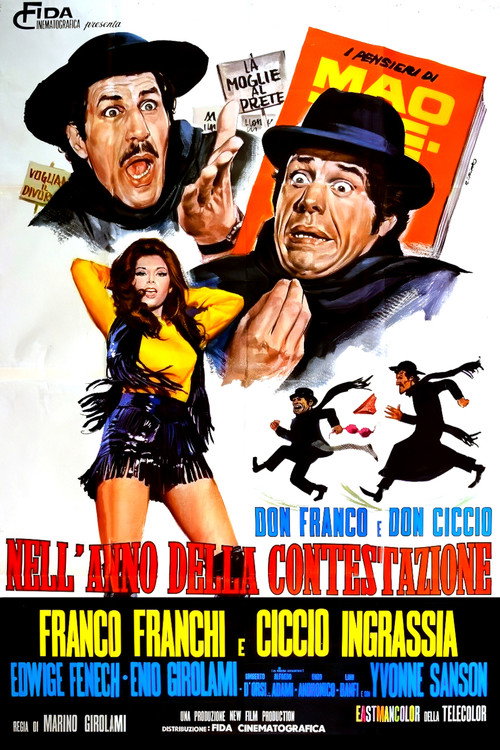
1970
Director
Marino Girolami
Runtime
91 minutes
Average Rating
No ratings yetNew Showbiz Analysis
Don Franco and Don Ciccio in a Year of Protest serves as a period-specific social satire. It captures the friction between traditional religious authority and the anti-establishment sentiments of 1970s Italy. While the film lacks depth regarding race, gender, or LGBTQ+ identities, it offers a critique of religious institutions. The central conflict mirrors broader societal shifts and the era's growing protest culture. Ultimately, the film prioritizes comedic rivalry over modern standards of diverse representation.
Category Breakdown
The film does not include any LGBTQ+ characters or narratives that question the assumption that everyone is straight or cisgender. The story revolves around the rivalry between two male protagonists in a traditional religious setting.
The story centers on a male-dominated comedic duo. There is no indication of challenging gender hierarchies or systemic structures through the portrayal of masculinity.
Set in rural Italian towns, the film reflects the demographic homogeneity of the era. There is no indication of diverse or non-Anglo-Saxon majority casting.
The film engages with the 'Year of Protest' by framing conflicts around rival priests. This use of comedy suggests a challenge to traditional religious authority and institutions.
There is no mention of characters with visible or invisible disabilities within the narrative.
Present on Screen
Limited or Absent
Official Synopsis
Italy's best loved comedy duo play rival priests in the neighboring towns of Roccapizzone and San Antonio. Did Franco crash his bike through Ciccio's new stained glass window on purpose or was he just in town for their mutual confession? Their main beef with each other concerns their opposing football teams and this feud takes up a great deal of the picture.
1961
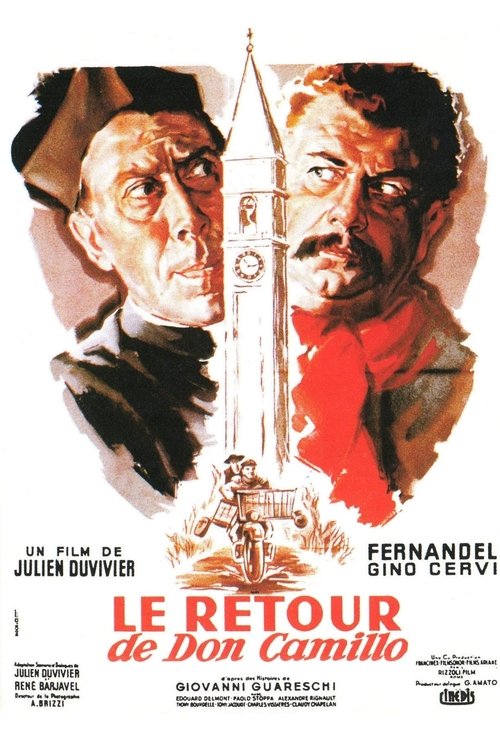
1953
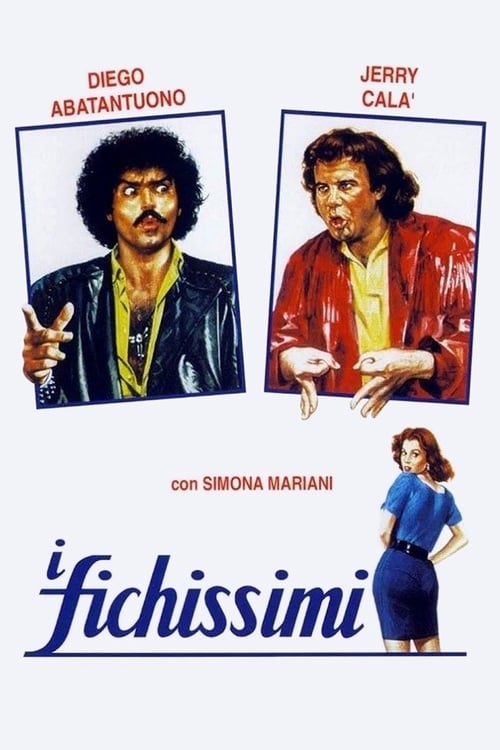
1981
1952
1971
1968
1985
1956
No reviews yet. Be the first to share your thoughts on this movie!
Use the rating form above to leave a star rating and optional review.