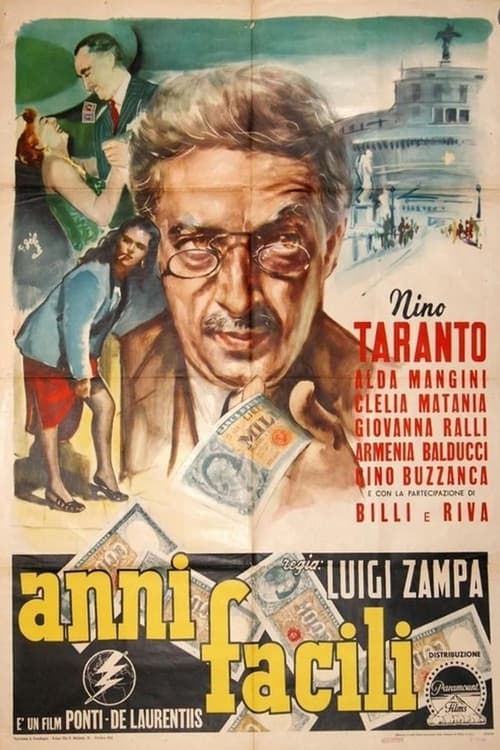
Easy Years
1953
No user ratings available yet
Representation score: 2.1 out of 10

Representation Score
Minimal
1962
Director
Luigi Zampa
Runtime
106 minutes
Average Rating
No ratings yetNew Showbiz Analysis
Roaring Years is a political satire that prioritizes institutional critique over demographic diversity. While it lacks representation of LGBTQ+ identities and non-straight-centered narratives, it uses satire to challenge the moral integrity of the ruling class. The film's strength lies in its ability to deconstruct power through a mistaken identity cliché. However, it remains a product of its time, featuring a homogeneous cast and a focus on male-centric bureaucracy.
Category Breakdown
The film does not include any LGBTQ+ characters or explore non-straight relationships. It focuses on political satire set in 1962.
The narrative centers around male-dominated bureaucratic structures typical of 1960s political satire. Women do not occupy roles with significant influence or challenge gender hierarchies.
Set in a small Italian town, the film features a homogeneous population. It lacks racial diversity or non-white casts, reflecting the era's social constraints.
The film effectively satirizes the fascist state and local authority. This critique disrupts conventional respect for state-sanctioned power.
There is no information available regarding the presence or portrayal of characters with physical or neurodivergent disabilities.
Present on Screen
Limited or Absent
Official Synopsis
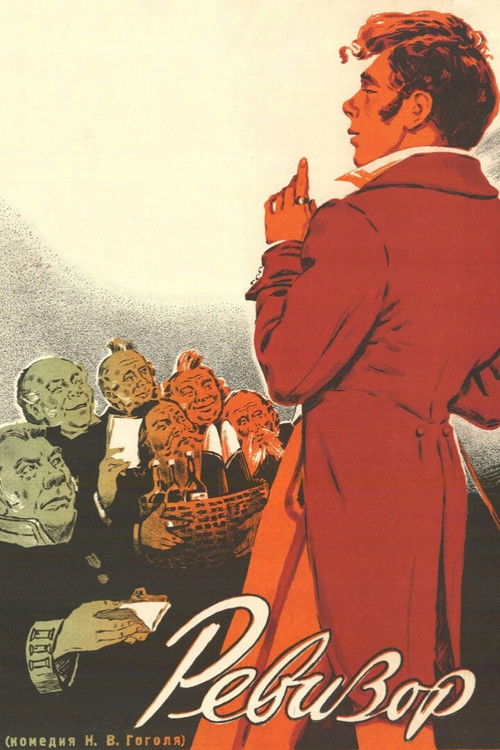
In this satire inspired by Nikolai Gogol’s The Government Inspector (aka The Inspector General) and transported to fascist era Italy, the (supposed) incognito visit of a Roman fascist official to a tiny country town shakes deeply the ruling class and their lack of integrity.
1953
1953
1952
1963

1968
1965
1952
1950
No reviews yet. Be the first to share your thoughts on this movie!
Use the rating form above to leave a star rating and optional review.