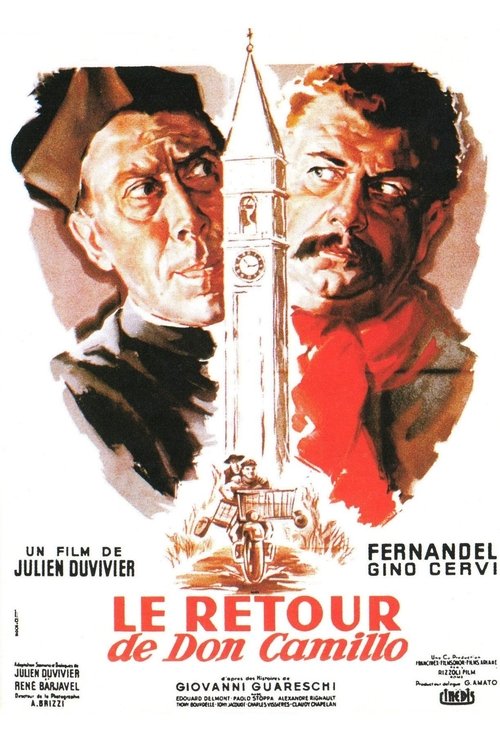
The Return of Don Camillo
1953
No user ratings available yet
Representation score: 1.5 out of 10
Representation Score
Minimal
1961
Director
Carmine Gallone
Runtime
109 minutes
Average Rating
No ratings yetNew Showbiz Analysis
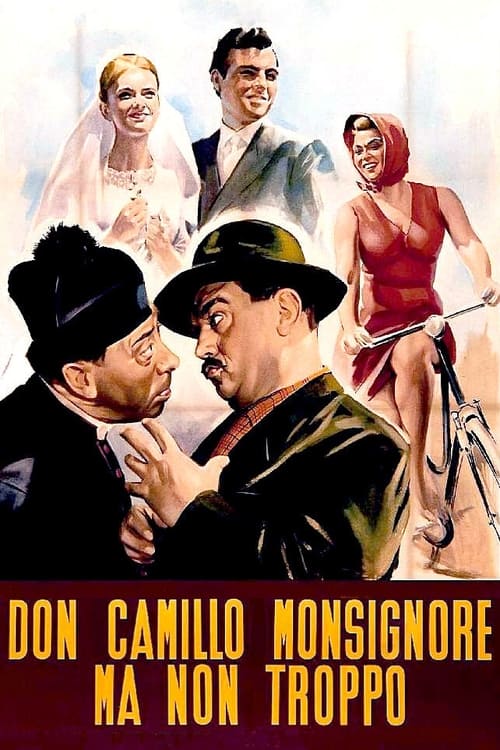
Don Camillo: Monsignor is a period piece that prioritizes ideological conflict over demographic variety. While it excels at deconstructing institutional authority through the comedic rivalry of the priest and the mayor, it remains tethered to the social limitations of its era. The film's strength lies in its sophisticated portrayal of moral relativism. By humanizing both religious and socialist figures, it avoids simple hero-villain clichés and offers a complex view of competing power structures. However, the work lacks modern multi-layered breadth. The heavy reliance on patriarchal structures and a homogeneous cast results in a narrow social scope that lacks racial, gender, or LGBTQ+ diversity.
Category Breakdown
The film adheres to a strictly heterosexual and cisgender framework. There is no presence of LGBTQ+ subtext or non-cisgender identities.
The narrative power is concentrated almost exclusively in male figures. Women are relegated to the periphery as domestic or supporting roles.
The setting presents a highly homogeneous social landscape. The cast reflects a singular ethnic and national identity consistent with its Italian context.
The film provides a nuanced look at institutional friction. It uses the rivalry between the Church and the Communist Party to explore ideological pluralism.
There is no discernible representation of physical, sensory, or neurodivergent identities within the character arcs.
Present on Screen
Limited or Absent
Official Synopsis
Don Camillo (now bishop) and Peppone (now senator) return to the town of Brescello and rekindle their friendly rivalry.
1953
1952
1955
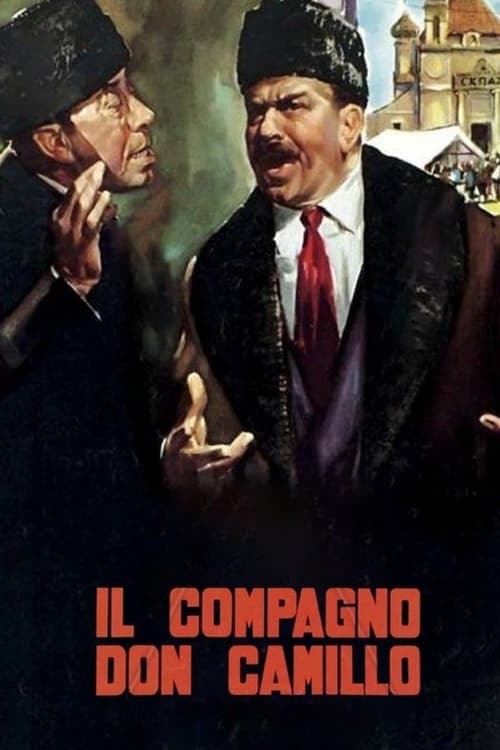
1965
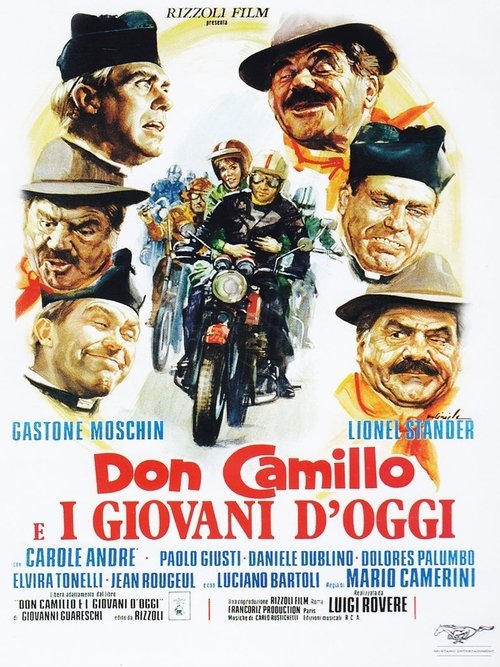
1972
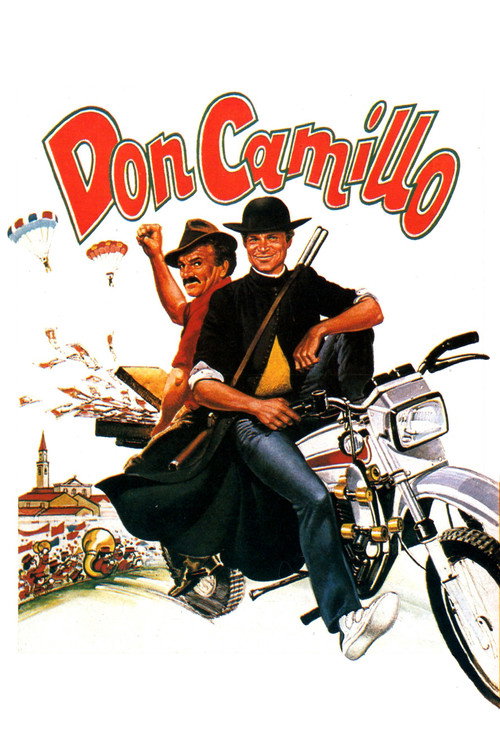
1984
1968
1960
No reviews yet. Be the first to share your thoughts on this movie!
Use the rating form above to leave a star rating and optional review.