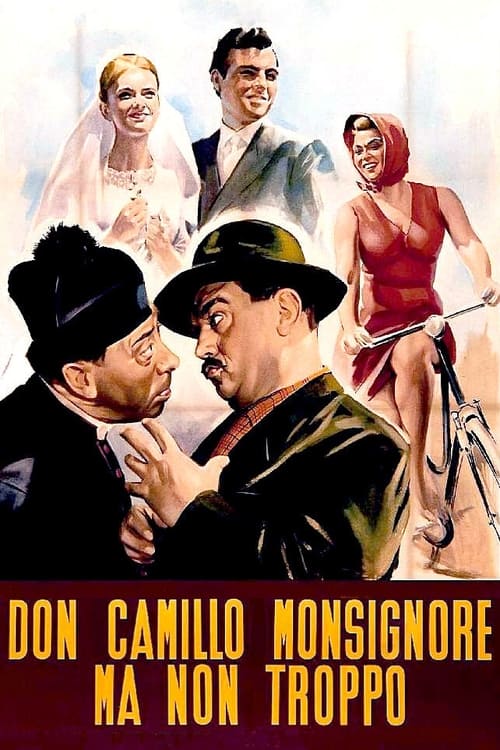
Don Camillo: Monsignor
1961
No user ratings available yet
Representation score: 1.2 out of 10
Representation Score
Minimal
1953
Director
Julien Duvivier
Runtime
115 minutes
Average Rating
No ratings yetNew Showbiz Analysis
This period-specific comedy of manners reflects the demographic limitations of 1953. It lacks representation regarding race, gender roles, and LGBTQ+ identities, adhering strictly to the social norms of its time. However, the film excels in ideological complexity. By humanizing the conflict between religious and political extremes, it moves beyond simple binaries of good versus evil. This creates a sophisticated subtext regarding institutional authority. Ultimately, the work is a study of localized cultural friction. While it fails modern demographic standards, it succeeds in presenting a non-binary view of morality through its central ideological struggle.
Category Breakdown
The film does not include any LGBTQ+ characters or themes. The mid-century village setting does not explore queer identity or critique the assumption that everyone is straight.
Women play supporting roles that reinforce traditional 1950s social hierarchies. The central tension revolves around the rivalry between the priest and the mayor, emphasizing masculine competition.
The cast is primarily white, reflecting the rural Italian setting. The story centers on a localized socioeconomic struggle without ethnic diversity or actors of different backgrounds.
The film presents a nuanced view of morality by contrasting the Catholic Church with the Communist Party. It challenges absolute authority by showing both institutions as competing power structures.
The film does not portray any visible or invisible disabilities. Characters with disabilities are not used as plot devices in the narrative.
Present on Screen
Limited or Absent
Official Synopsis
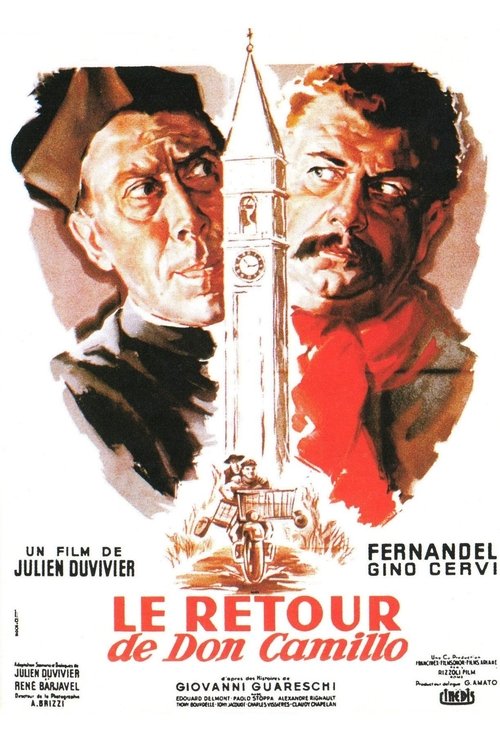
Energetic priest Don Camillo returns to the town of Brescello for more political and personal duels with Communist mayor Peppone.
1961
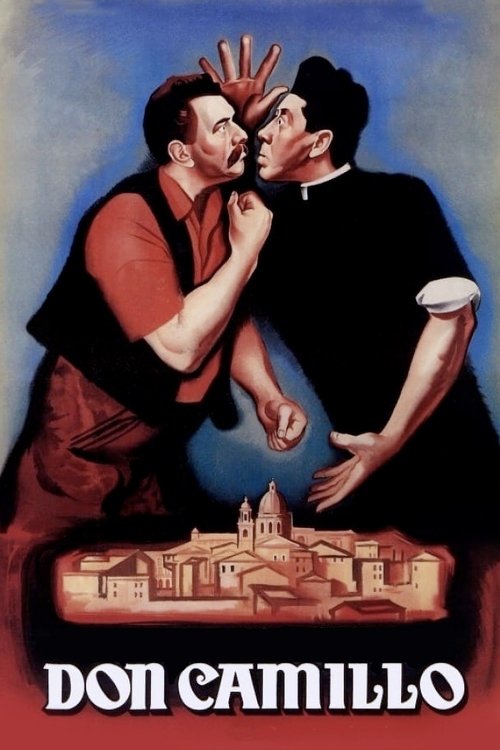
1952
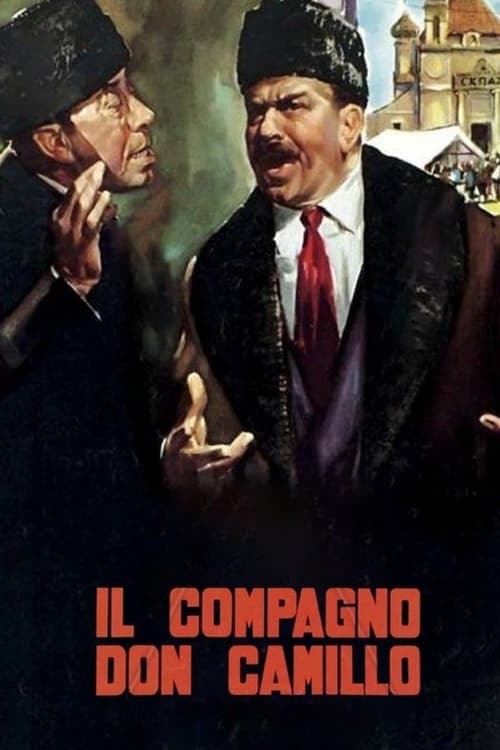
1965

1980
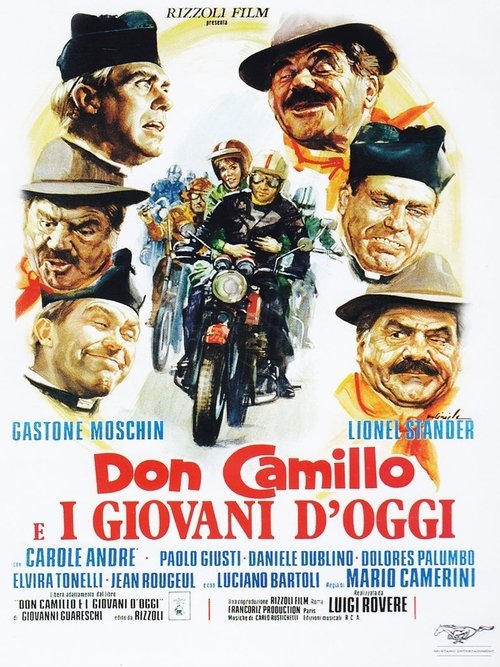
1972
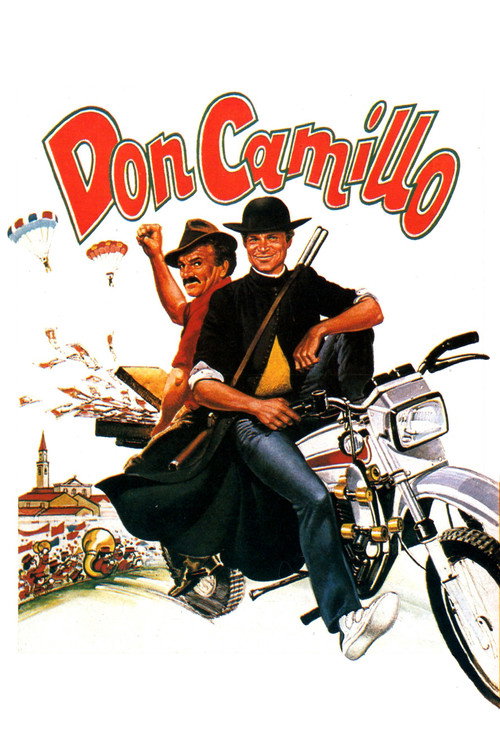
1984
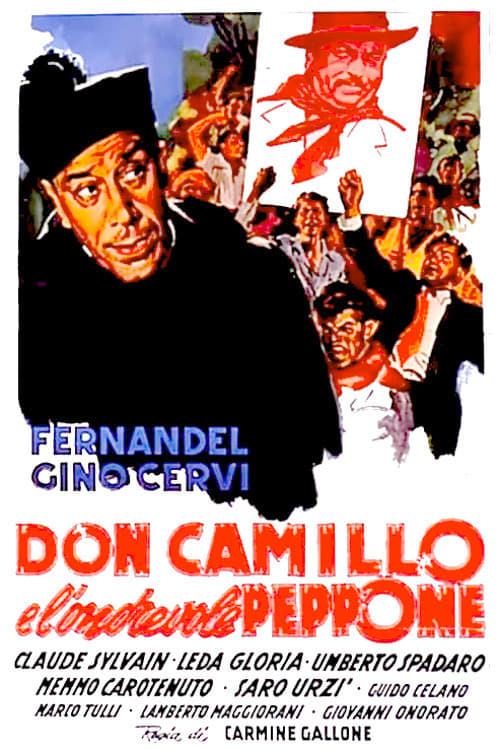
1955
1960
No reviews yet. Be the first to share your thoughts on this movie!
Use the rating form above to leave a star rating and optional review.