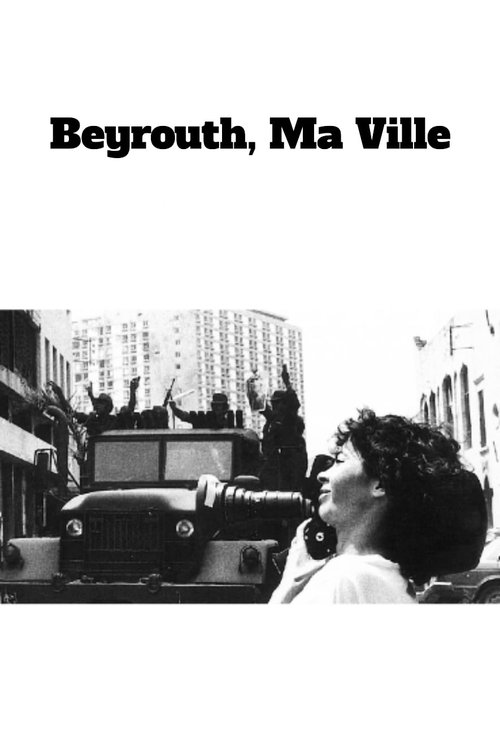
Beirut, My City
1983
No user ratings available yet
Diversity score: 7.9 out of 10
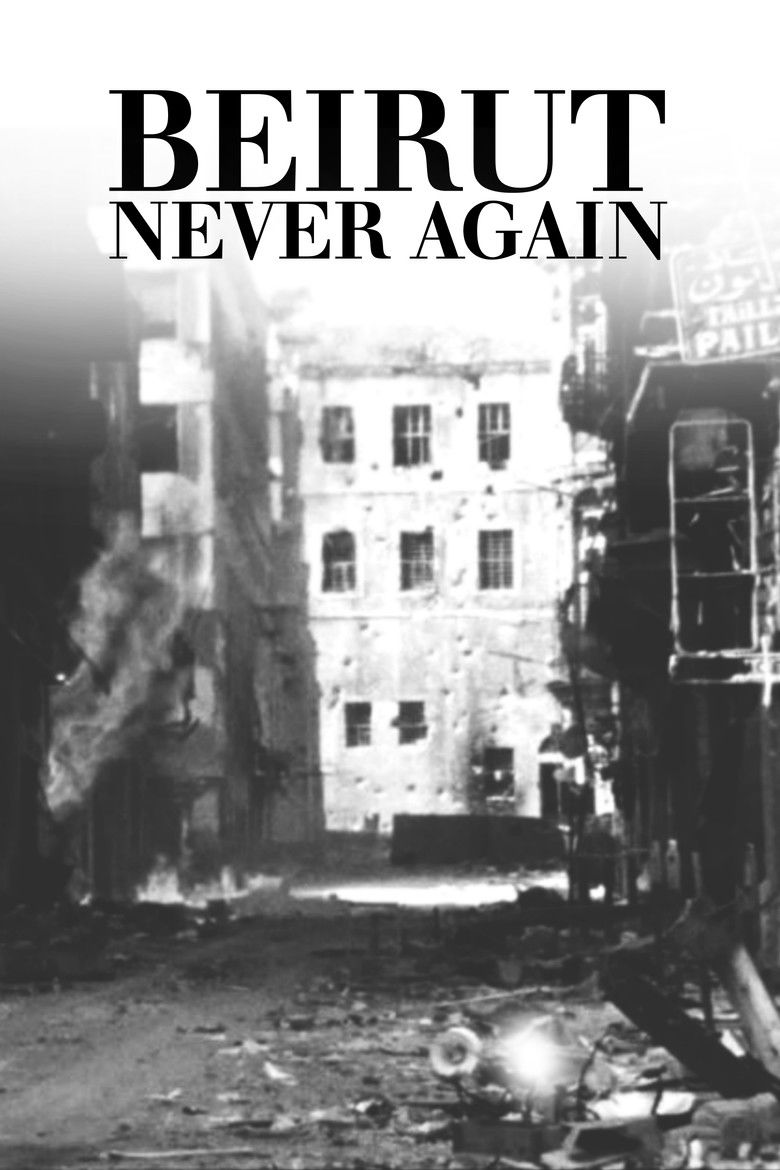
1976
Director
Jocelyne Saab
Runtime
37 minutes
Average Rating
No ratings yetSynopsis
1976 marks the beginning of Beirut’s calvary. With a child’s eyes the filmmaker follows for six months the daily destruction of the city’s walls. Every morning, between 6 and 10am she roams around Beirut while the militia from both sides rest from their night of fighting.
Overall Score
Good
Category Breakdown
LGBTQ+ Representation
The film focuses on the visceral realities of urban decay and civil conflict. There is no explicit visibility of LGBTQ+ narratives or non-cisnormative identities within this observational study.
Gender Representation
Jocelyne Saab subverts masculine-centric war narratives by centering a female gaze. The film prioritizes the psychological impact of violence over traditional combat-focused documentation.
Racial & Ethnic Diversity
The documentary captures the multi-ethnic and multi-confessional population of mid-70s Beirut. It reflects the pluralistic nature of a society navigating the collapse of the state.
Religious & Cultural Diversity
The film portrays the breakdown of traditional social orders, including family and religion. It emphasizes the fragility of the post-colonial state and the failure of Western-style authority.
Disability Representation
Physical and psychological trauma are presented as environmental consequences rather than character studies. The city's broken state serves as a systemic metaphor for disability.
Strengths
Areas for Improvement
AI Analysis
Beirut, Never Again (1976) succeeds in deconstructing the heroic archetypes of warfare. By utilizing a child's perspective and a female gaze, the documentary shifts the focus from geopolitical grandstanding to the psychological erosion of a society. The film's strength lies in its organic portrayal of a fractured, multi-confessional landscape. It captures the systemic instability of a post-colonial state through a mosaic of fragmented, intersecting human experiences. However, the work lacks specific visibility regarding LGBTQ+ identities and does not center individual studies of physical or neurodivergent disability. The focus remains largely on the systemic trauma of the urban environment.
1983
1976
2018
2014
2012
2017
2025

2016
1977
2004

2025
2003
No reviews yet. Be the first to share your thoughts on this movie!
Use the rating form above to leave a star rating and optional review.