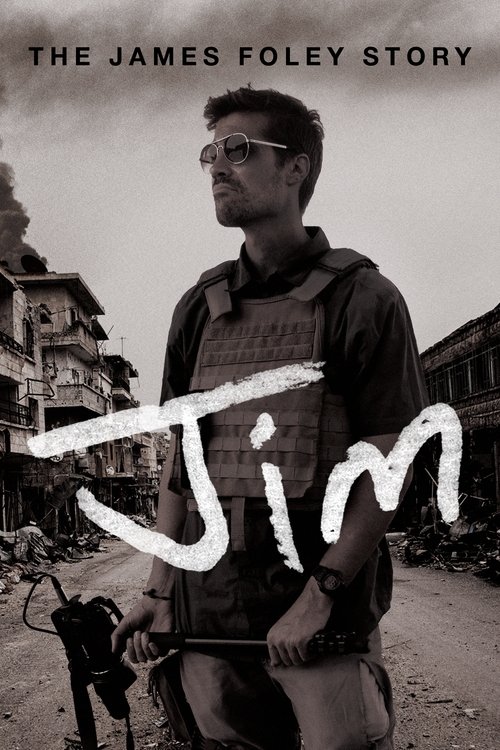
Jim: The James Foley Story
2016
No user ratings available yet
Representation score: 5.2 out of 10

Representation Score
Excellent
2018
RDirector
Chris Martin
Runtime
95 minutes
Average Rating
No ratings yetNew Showbiz Analysis
Under the Wire succeeds by deconstructing the traditional 'heroic' military narrative. Instead of focusing on geopolitical victory, it centers the lived experiences of civilians and the intellectual courage of Marie Colvin. This shift provides a sophisticated view of conflict that prioritizes human ability to act over state-sponsored violence. The film’s strength lies in its ability to amplify the voices of the underrepresented during the siege of Homs. By documenting the physical and psychological realities of war, it offers a raw, unvarnished look at the consequences of institutional failure. However, the film remains limited by its primary focus on Western journalists, lacking explicit LGBTQ+ narratives or specific disability advocacy.
Category Breakdown
The film focuses on the professional lives of journalists without explicitly addressing LGBTQ+ identities or queer character arcs.
Marie Colvin’s role as a high-stakes war correspondent highlights her bravery and intellect, challenging traditional gender hierarchies and expectations of competence.
While the protagonists are Western, the film centers the plight of Syrian civilians, shifting the focus to the ability to act and resilience of a non-Western population.
The narrative prioritizes the human cost over nationalist justifications, portraying state military actions as sources of chaos and highlighting systemic failures of institutional power.
The documentary captures the physical and psychological toll of war, avoiding 'inspiration porn' and focusing on the raw reality of bodily vulnerability and injury.
Present on Screen
Limited or Absent
Official Synopsis
On 12 February 2012, two journalists entered war-ravaged Syria. One of them was celebrated Sunday Times war correspondent, Marie Colvin. The other was photographer, Paul Conroy. Their aim was to cover the plight of Syrian civilians trapped in Homs, a city under siege and relentless military attack from the Syrian army. Only one of them returned.
2016
2018
2015
2020
2013
2019
2016
2011
No reviews yet. Be the first to share your thoughts on this movie!
Use the rating form above to leave a star rating and optional review.