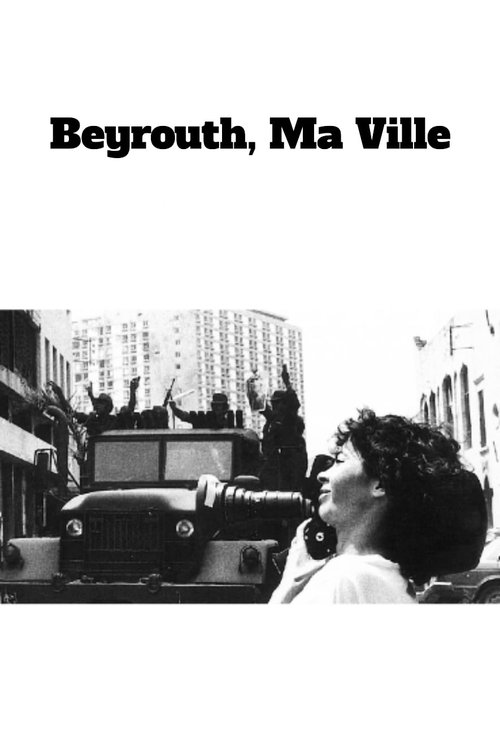
Beirut, My City
1983
No user ratings available yet
Representation score: 6.9 out of 10
Representation Score
Good
1976
Director
Jocelyne Saab
Runtime
13 minutes
Average Rating
No ratings yetNew Showbiz Analysis
Jocelyne Saab’s documentary is a compelling exploration of psychological fragmentation during the Lebanese Civil War. Through art, the film connects with child survivors and disrupts traditional observer-subject dynamics, allowing children to reclaim control through reenactment. The work stands out for its post-colonial perspective, avoiding the typical Western gaze on Middle Eastern conflicts. It centers local experiences and challenges Anglo-centric documentary norms by focusing on the lived realities of a Lebanese shantytown. While the film lacks LGBTQ+ representation, it offers a sophisticated look at how systemic violence erodes the foundations of family and state. It provides a raw, unsanitized view of how trauma reshapes the human psyche.
Category Breakdown
The film does not include explicit LGBTQ+ characters or stories. Instead, it focuses on the harsh realities of life in a war-torn Beirut.
Gender roles are examined through the shared vulnerability of children. Traditional patriarchal roles are challenged as the concept of protector and nurturer becomes irrelevant due to systemic collapse.
The documentary presents a genuine, non-Western perspective by featuring a Lebanese cast. It avoids the Western viewpoint and gives significant control to local subjects of color.
The film criticizes traditional institutions such as religion and the state for failing to provide safety. It highlights the breakdown of social order as a critique of ineffective power structures.
Though the film does not focus on physical disabilities, it explores hidden psychological trauma. Children's play serves as a means to express their neurodivergent responses to extreme environmental stress.
Present on Screen
Limited or Absent
Official Synopsis
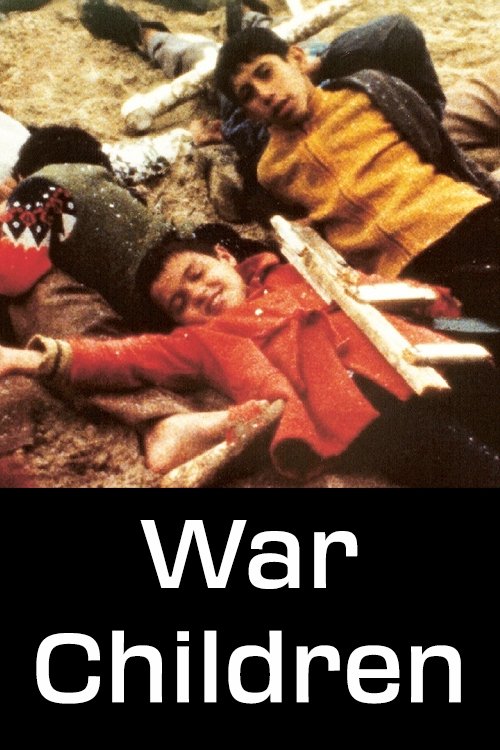
A few days after a massacre in a shantytown near Beirut, the director finds the children who survived. She approaches them by offering them crayons to draw. A link is created between them. They let her film their violent games: they repeat the scenes of horror they saw unfold before their eyes ...
1983
2011
1976
2004
2014
2008
1979
2019
No reviews yet. Be the first to share your thoughts on this movie!
Use the rating form above to leave a star rating and optional review.