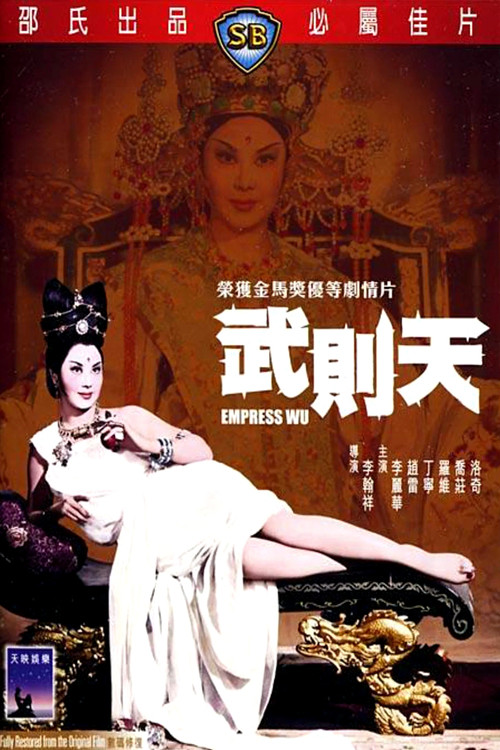
Empress Wu
1963
No user ratings available yet
Representation score: 3.5 out of 10
Representation Score
Fair
1989
Director
Li Han-Hsiang
Runtime
90 minutes
Average Rating
No ratings yetNew Showbiz Analysis
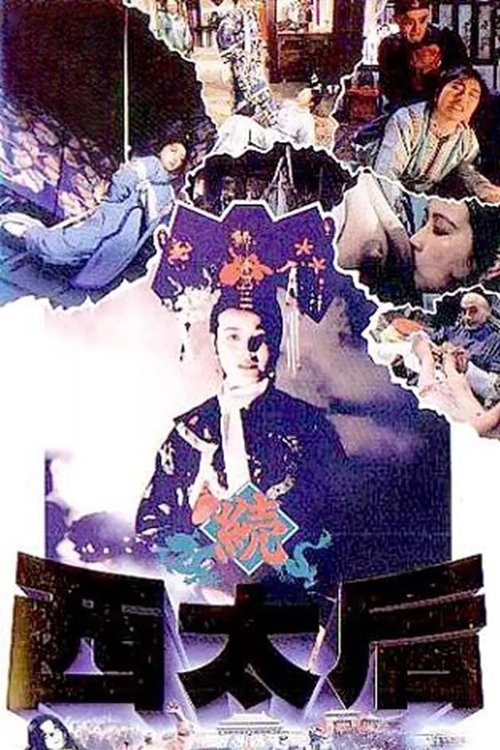
The film is a biographical epic that centers on the political ascent of Tzu Hsi. It succeeds in elevating women's ability to drive the story by portraying a woman who achieves absolute dominance within a restrictive historical era. However, the narrative is deeply bound by the rigid social, ethnic, and straight-centered structures of 19th-century China. The focus remains on the preservation of dynastic continuity and the homogeneous Manchu ruling class. Ultimately, the film serves as a classical character study rather than a progressive exploration of identity, reflecting the systemic constraints of the Qing Dynasty.
Category Breakdown
The film focuses on the imperial concubinage system, which relies on structures that assume everyone is straight or cisgender. There is no evidence of queer narratives or non-assuming gender matches what was assigned at birth identities.
Tzu Hsi’s rise from concubine to ruler highlights her significant role in driving the story. The film challenges the idea of female passivity by showing her mastering a male-dominated political landscape.
The narrative centers on the Manchu ethnic hegemony of the Qing Dynasty. It offers deep immersion into a specific ruling class rather than a broad spectrum of diverse backgrounds.
The story adheres to the traditional values and social orders of the Qing imperial institution. It functions as a study of power within a highly structured, traditionalist system.
There is no specific evidence regarding the portrayal of physical or neurodivergent disabilities within the film.
Present on Screen
Limited or Absent
Official Synopsis
Han Hsiang Li's lush epic re-creates the fascinating life and times of Tzu Hsi, the Manchu Qing dynasty empress who rose from the ranks of Emperor Xianfeng's many concubines to become the de facto ruler of China for nearly 50 years.
1963

1957
1976
1989
1983
1987
1962

1948
No reviews yet. Be the first to share your thoughts on this movie!
Use the rating form above to leave a star rating and optional review.