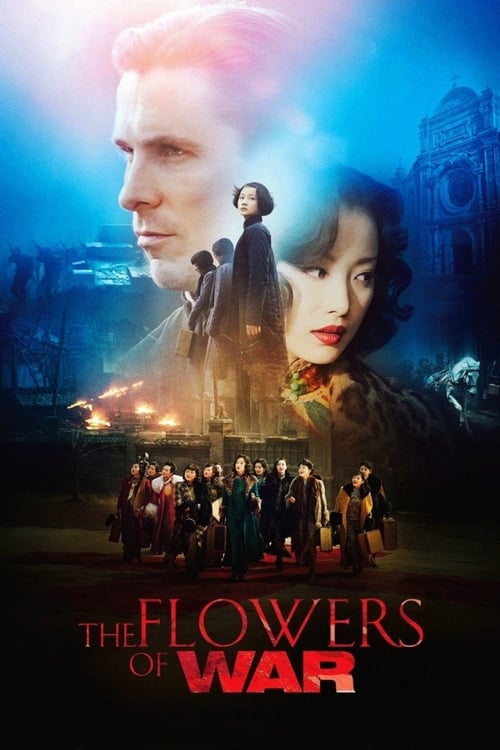
The Flowers of War
2011
No user ratings available yet
Representation score: 3.9 out of 10
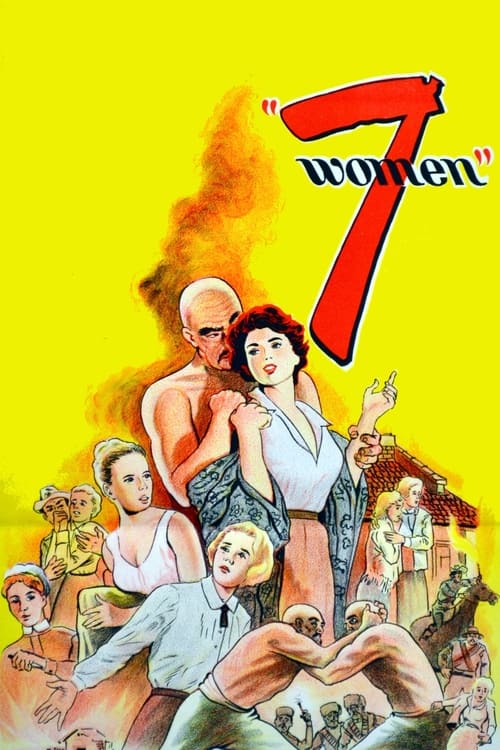
Representation Score
Limited
1965
ApprovedDirector
John Ford
Runtime
87 minutes
Average Rating
No ratings yetNew Showbiz Analysis
John Ford's *7 Women* stands out from his usual Westerns by placing a female ensemble at the center of a high-stakes conflict. This shift grants women a level of narrative ability to act rarely seen in his other works, which typically focus on traditional masculinity and frontier justice. However, the film remains limited by its historical context. While the setting provides ethnic diversity through Chinese and Mongolian characters, the narrative structure likely adheres to Western-centric perspectives and cinematic clichés common in 1965. The focus on survival against bandits suggests a traditionalist approach to storytelling. Ultimately, the film acts as a transitional piece. It challenges gendered expectations by moving women into active roles, yet it lacks deeper social deconstruction or diverse identity representation.
Category Breakdown
The story revolves around a group of women fighting for survival. There is no indication of LGBTQ+ identities or critiques of straight-centered relationships.
The film breaks from genre conventions by focusing on a female ensemble in a violent conflict. This shifts the focus from male protagonists typical of John Ford's Westerns.
Set in 1935 China, the film includes Mongolian bandits and a warlord. However, the representation might rely on period-specific Orientalist clichés rather than authentic cultural depth.
The plot centers on a struggle for survival against lawlessness. It follows traditionalist views of order versus chaos without challenging systemic structures.
There is no information available regarding the portrayal of characters with physical or neurodivergent disabilities.
Present on Screen
Limited or Absent
Official Synopsis
In a mission in China in 1935, a group of women are preyed on by Mongolian bandits, led by Warlord chief Tunga Khan.
2011

1939
1947

1961

1963
1972

1974
1963
No reviews yet. Be the first to share your thoughts on this movie!
Use the rating form above to leave a star rating and optional review.