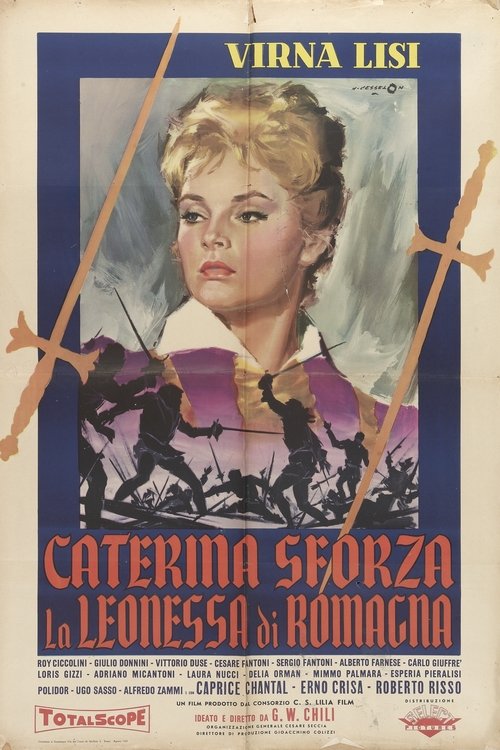
Caterina Sforza, the lioness of Romagna
1959
No user ratings available yet
Representation score: 2.5 out of 10
Representation Score
Limited
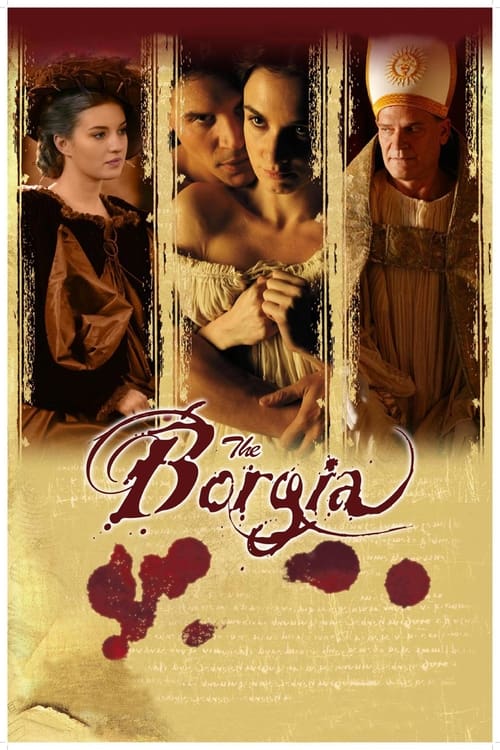
2006
Director
Antonio Hernández
Runtime
120 minutes
Average Rating
No ratings yetNew Showbiz Analysis
The Borgia (2006) is a historical character study that prioritizes the deconstruction of institutional power over identity-based representation. It offers a nuanced view of women's ability to drive the story and strategic complexity through the portrayal of Lucrezia Borgia. However, the film remains constrained by its historical setting, leading to significant racial homogeneity and a lack of engagement with LGBTQ+ identities or disability representation. Ultimately, the work functions as a critique of Western religious and political structures, using the Borgia dynasty to explore moral ambiguity.
Category Breakdown
The film does not provide any on-screen confirmation of LGBTQ+ identities or same-sex relationships. Historical rumors exist, but there is no direct evidence in the film.
Lucrezia Borgia is portrayed as a legendary figure known for her duplicity and strategic thinking, rather than as a submissive character. This highlights her active role and complexity within a male-dominated power structure.
Set during the Italian Renaissance, the film focuses on a specific European dynasty, resulting in a largely homogeneous cast that reflects the period’s demographics.
The narrative criticizes traditional religious authority by depicting the Papacy as corrupt. It emphasizes pragmatic and morally relative approaches over singular religious morality.
There is no mention of characters with physical, sensory, or neurodivergent traits. No representation in this category is identified.
Present on Screen
Limited or Absent
Official Synopsis
A portrait of the bloody dynasty that spawned a pope, Alexander VI, as well as the role model for Machiavelli's “The Prince,” his son Cesare Borgia, and a legend of femme duplicity, daughter Lucrezia Borgia.
1959

2009

1941
1994
1935

1969

2006

2024
No reviews yet. Be the first to share your thoughts on this movie!
Use the rating form above to leave a star rating and optional review.