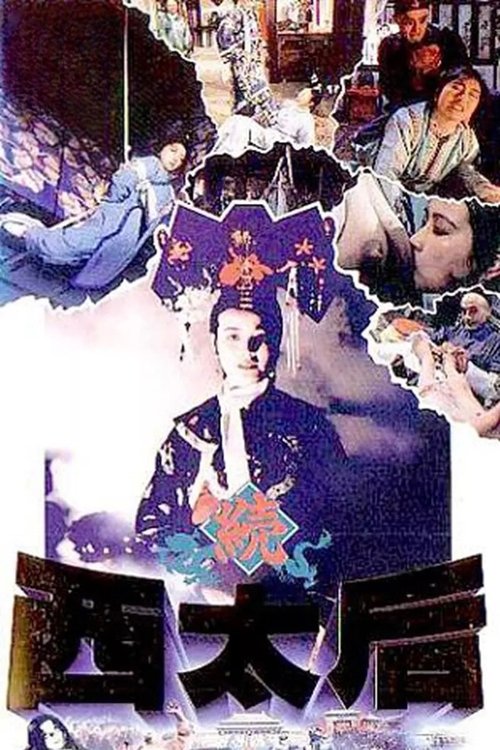
The Empress Dowager
1989
No user ratings available yet
Representation score: 4.1 out of 10

Representation Score
Limited
1963
Director
Li Han-Hsiang
Runtime
112 minutes
Average Rating
No ratings yetNew Showbiz Analysis
Empress Wu is a compelling look at a woman's rise to power within a strict, male-dominated system. By focusing on a female protagonist's journey to sovereignty, the film challenges traditional gender roles and explores how she navigates systemic barriers. While the film is strong in its portrayal of female political prowess, it does not include modern markers of diversity such as LGBTQ+ identities or disability representation. The ethnic makeup of the cast remains consistent with its historical context, lacking multi-layered blending.
Category Breakdown
The film follows the social norms of the Tang Dynasty and does not depict any non-binary gender identities or same-sex relationships. It focuses on political alliances between men and women based on the assumption that everyone is straight.
The story challenges typical expectations by putting a female protagonist at the center. Wu Zetian shows great political intelligence, breaking down the idea that women are passive in the imperial court.
The cast is made up of actors from similar ethnic backgrounds, reflecting the Chinese-language film industry. It stays true to its historical setting without casting actors from different ethnicities.
The film highlights the philosophical and hierarchical structures of the imperial era. It focuses on historical accuracy rather than modern ideological critiques or Western institutions.
There is no focus on neurological differences or physical disabilities in the narrative. The story emphasizes political maneuvering and status over exploring diverse physical or mental experiences.
Present on Screen
Limited or Absent
Official Synopsis
The renowned Li Li Hua plays Wu Ze Tian, the most famous woman in China's four thousand year history.
1989

1957
1983
1989
1976
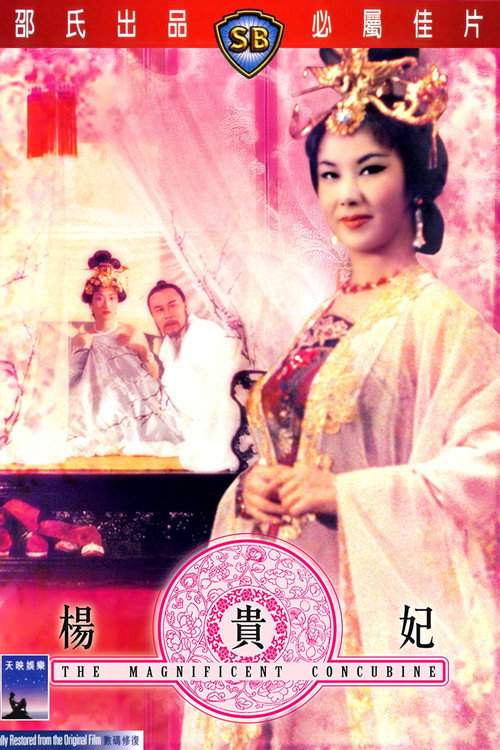
1962

1948
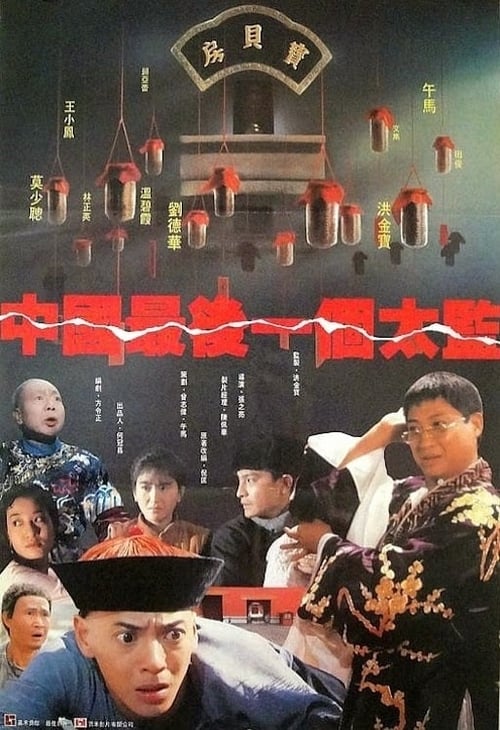
1987
No reviews yet. Be the first to share your thoughts on this movie!
Use the rating form above to leave a star rating and optional review.