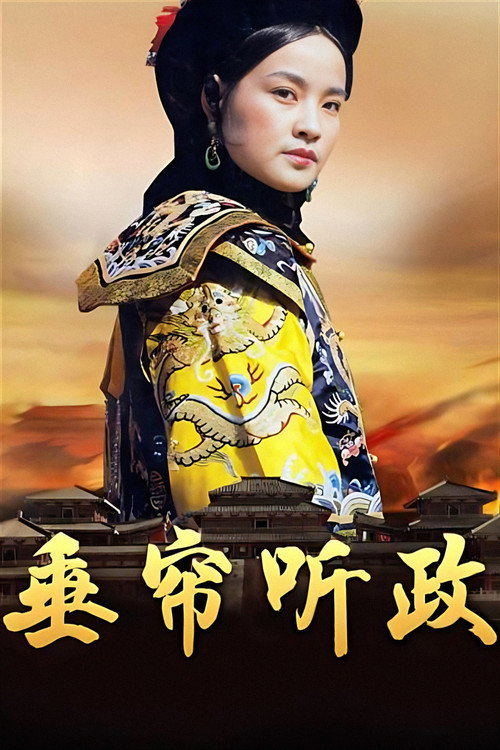
Reign Behind a Curtain
1983
No user ratings available yet
Representation score: 6.7 out of 10
Representation Score
Limited
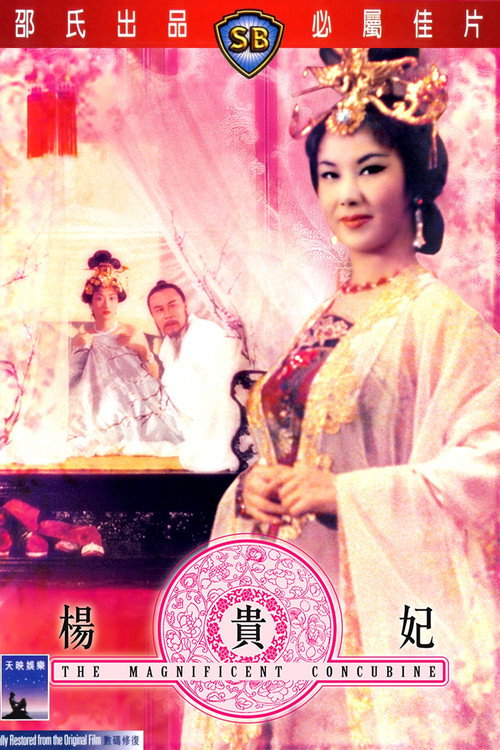
1962
Director
Li Han-Hsiang
Runtime
103 minutes
Average Rating
No ratings yetNew Showbiz Analysis
The film functions as a period-specific drama that prioritizes psychological complexity over demographic breadth. While it lacks diversity in terms of gender and sexual orientation, it succeeds in challenging the cliché of the passive female lead by giving the protagonist significant political ability to act. Its strength lies in its nuanced exploration of morality and survival within an oppressive court. However, the adherence to a homogeneous historical cast and the absence of non-cisgender identities limit its progressive reach.
Category Breakdown
The film focuses on the straight-centered dynamics of the Tang Dynasty imperial court. There are no non-cisgender gender identities or same-sex intimacy present.
The narrative centers on the protagonist's ability to drive the story within a patriarchal structure. The protagonist uses strategic political maneuvering rather than remaining a passive object.
The cast is largely homogeneous Han Chinese, reflecting the historical setting of the Tang Dynasty. It does not actively seek to diversify the demographic landscape.
The story explores moral relativism and the breakdown of imperial structures. It depicts the protagonist's transition from victim to perpetrator as a survival necessity.
There are no discernible depictions of physical or neurodivergent disabilities. Characters with disabilities are not utilized as narrative devices.
Present on Screen
Limited or Absent
Official Synopsis
Perhaps the most notorious concubine in Chinese history, Yang Guifei set a pudgy standard of beauty in her days of glory during the Tang dynasty. The Emperor Minghuang was so besotted with the woman that when An Lushan stages his rebellion against the empire, the ruler takes Yang Guifei along with his imperial entourage in an escape to the mountainous area of modern-day Sichuan, and sanctuary of sorts. But the concubine had roused the jealousy of the court and unfortunately for her and to the great sorrow of the king, her brother and others among the king's retainers demanded she be strangled to death while they were still in the mountains. This is the story told in this interesting Taiwanese adaptation by director Li Han-hsiang (Li Hanxiang).
1983
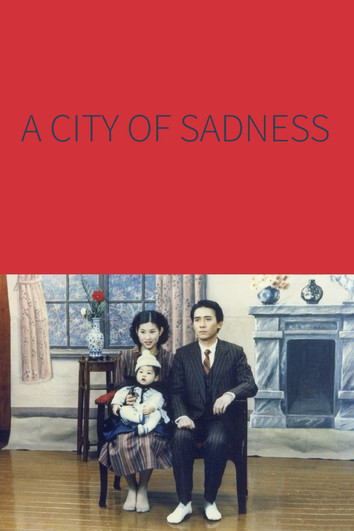
1989
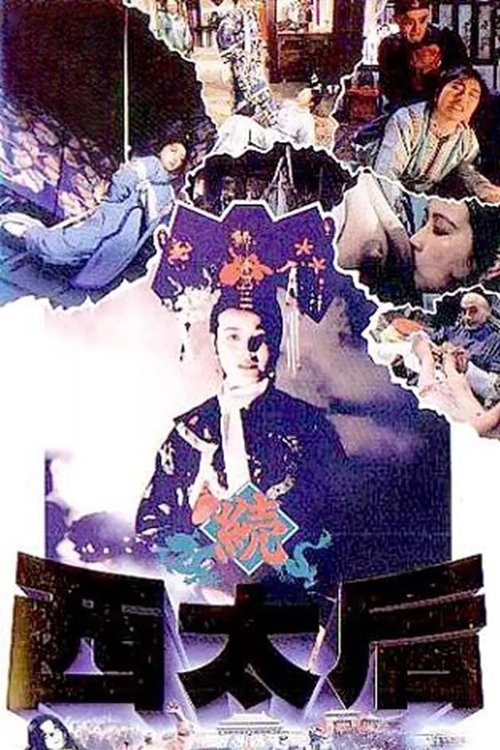
1989

1957
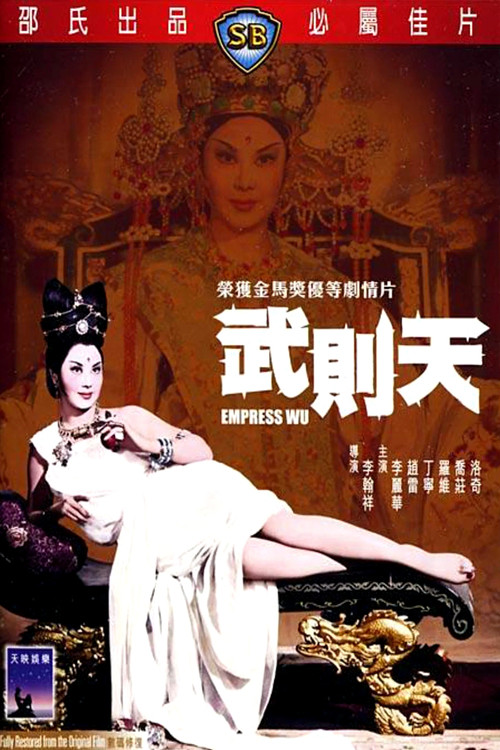
1963
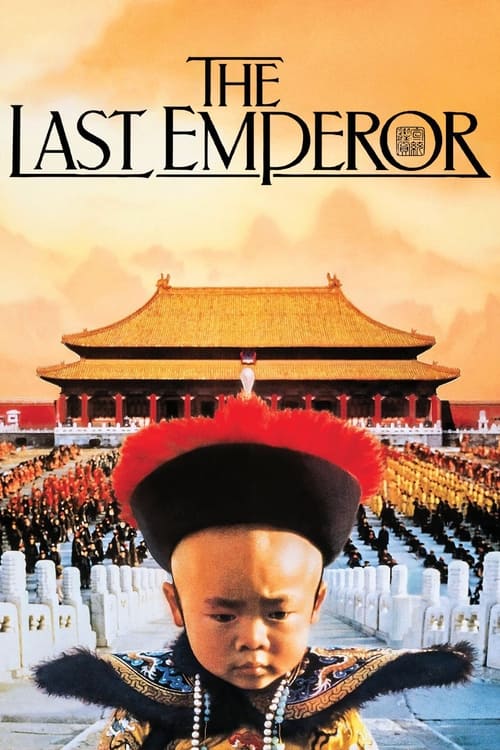
1987
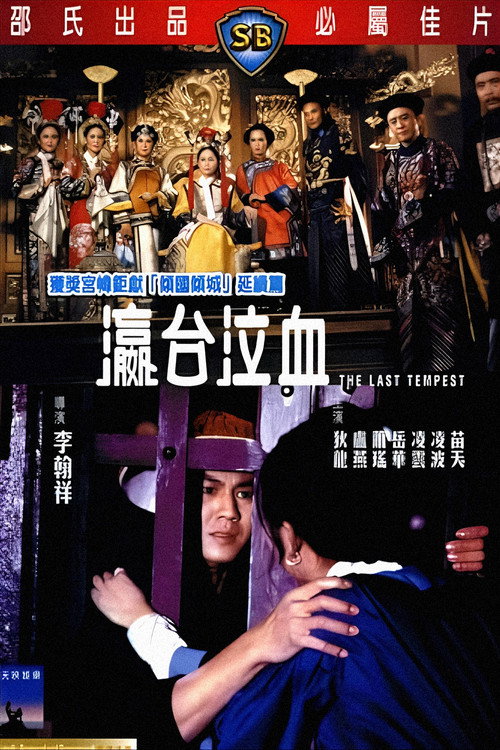
1976
1994
No reviews yet. Be the first to share your thoughts on this movie!
Use the rating form above to leave a star rating and optional review.