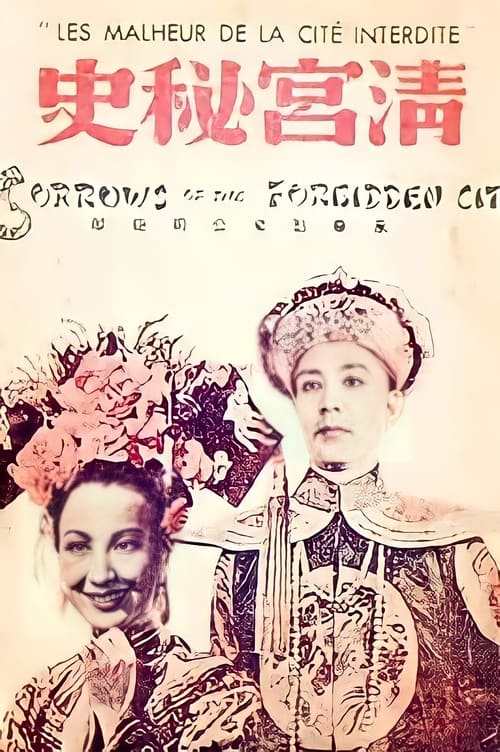
Sorrows of the Forbidden City
1948
No user ratings available yet
Diversity score: 5.0 out of 10
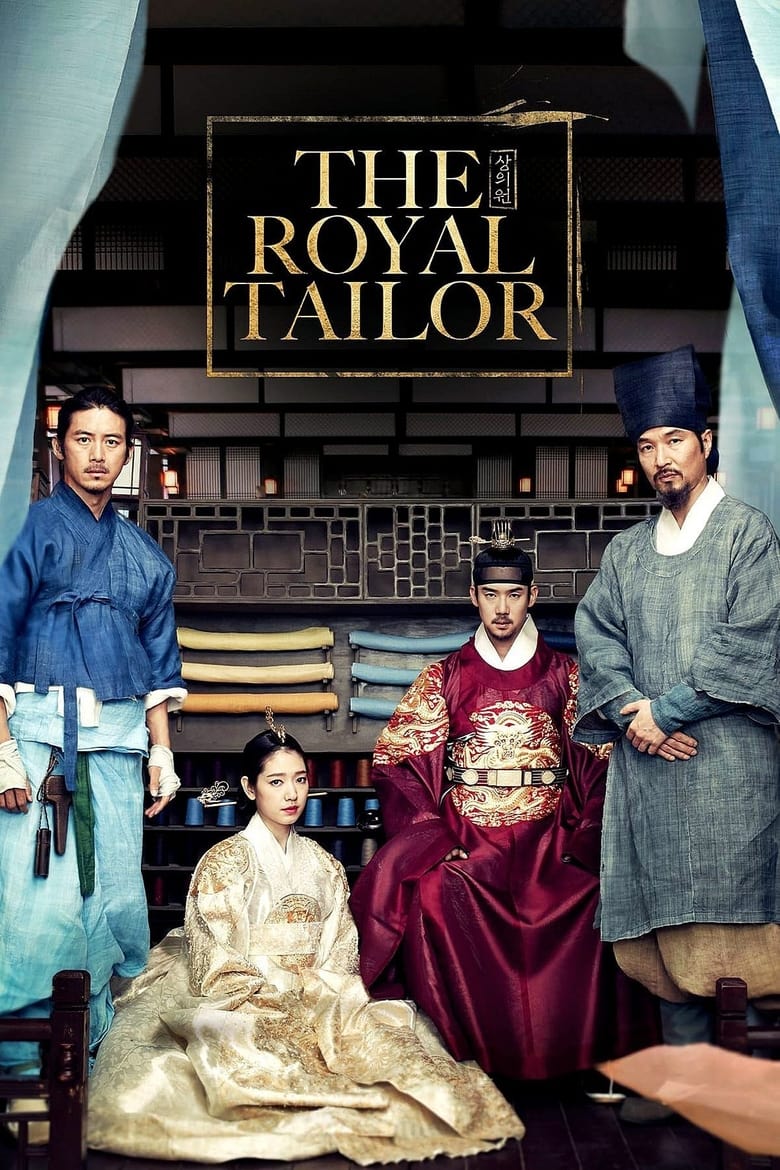
2014
Director
Lee Won-suk
Runtime
127 minutes
Average Rating
No ratings yetSynopsis
Lee Gong-jin, a young tailor, helps the Queen with her dress and both fall in love with each other. However, his success catches the ire of Jo Dol-seok, the royal tailor, who vows retribution.
Overall Score
Fair
Category Breakdown
LGBTQ+ Representation
The narrative focuses on a heterosexual romance between a tailor and the Queen. There is no explicit evidence of queer identities or non-heteronormative storylines within the plot.
Gender Representation
The film subverts traditional hierarchies by granting the Queen significant romantic and professional agency. Her reciprocal relationship with a commoner challenges the patriarchal expectations of the Joseon era.
Racial & Ethnic Diversity
The cast is culturally homogeneous, reflecting the film's South Korean historical setting. It offers deep immersion into Korean heritage rather than intersectional racial blending.
Religious & Cultural Diversity
The story critiques rigid institutionalism by pitting individual merit against court hierarchies. It prioritizes the passion of the artisan over the inherited status of the aristocracy.
Disability Representation
There are no identifiable depictions of physical or neurodivergent disabilities that serve as character-defining traits or drive the narrative forward.
Strengths
Areas for Improvement
AI Analysis
The Royal Tailor is a character-driven period drama that finds its progressive edge through the disruption of class and gendered expectations. Rather than focusing on demographic breadth, the film explores how an outsider navigates and challenges a highly regulated royal institution. The narrative centers on the tension between professional meritocracy and established social hierarchies. By focusing on a low-status artisan's ascent, the film highlights the friction between individual desire and rigid societal structures. While the film lacks LGBTQ+ or disability representation, it succeeds in portraying agency within a traditionalist framework. It effectively uses the historical setting to examine the subversion of professional monopolies and class-based expectations.
1948
1976

2025
2013

1994

2014

1989

2012

2018

2010
2006
1954
No reviews yet. Be the first to share your thoughts on this movie!
Use the rating form above to leave a star rating and optional review.