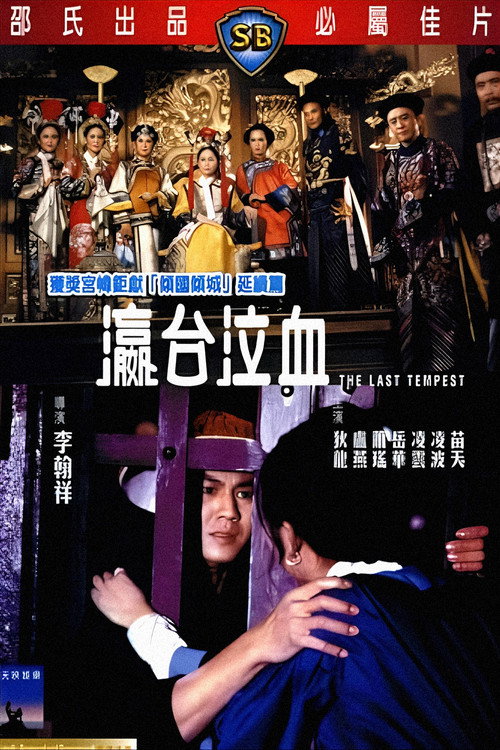
The Last Tempest
1976
No user ratings available yet
Representation score: 4.0 out of 10

Representation Score
Fair
1948
Director
Zhu Shilin
Runtime
94 minutes
Average Rating
No ratings yetNew Showbiz Analysis
Zhu Shilin’s drama provides a compelling look at power through a gendered lens. By focusing on the tension between Empress Dowager Cixi and Empress Zhenfei, the film highlights female strategic maneuvering over traditional male-dominated leadership. While the film is ethnically homogeneous and lacks LGBTQ+ representation, it successfully uses a historical setting to critique institutional corruption. It goes beyond simple biography to explore the impact of rigid hierarchies on personal ability to act. Ultimately, the film examines the human cost of absolute monarchy and the struggle for influence within a stratified society.
Category Breakdown
The film does not include any non-straight relationships or LGBTQ+ identities. It follows traditional romantic and gender roles typical of the Qing Dynasty setting.
The story challenges patriarchal norms by focusing on female power dynamics. The conflict between Cixi and Zhenfei shifts the focus from the Emperor to women navigating political landscapes.
The cast is ethnically uniform, reflecting the historical reality of the Chinese imperial court. The film explores a specific cultural identity rather than presenting a multicultural perspective.
The film critiques the oppressive nature of imperial institutions. By highlighting the suffering within the court, it questions the sanctity of the monarchy and exposes systemic corruption.
There is no information regarding the portrayal of physical or neurodivergent disabilities within the film.
Present on Screen
Limited or Absent
Official Synopsis
The film focused on a conflict between Empress Dowager Cixi, her son Guangxi (the nominal emperor) and his wife, Zhen Fei.
1976

1989

1989

1957

1983
1987
1963
1987
No reviews yet. Be the first to share your thoughts on this movie!
Use the rating form above to leave a star rating and optional review.