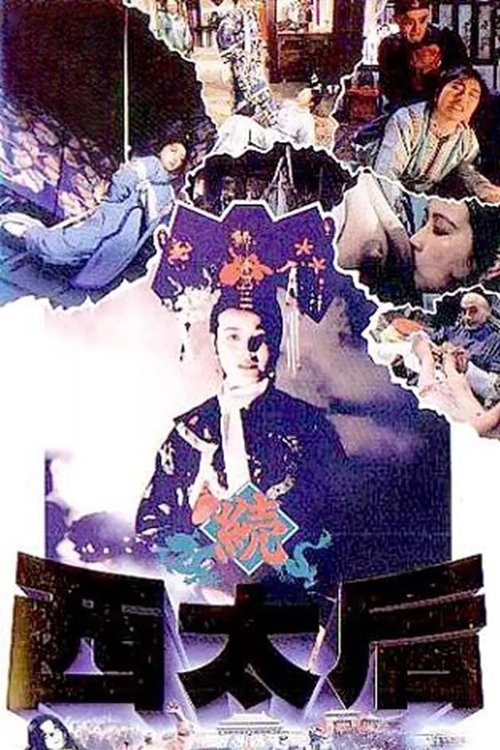
The Empress Dowager
1989
No user ratings available yet
Representation score: 4.1 out of 10
Representation Score
Good
1983
Director
Li Han-Hsiang
Runtime
102 minutes
Average Rating
No ratings yetNew Showbiz Analysis
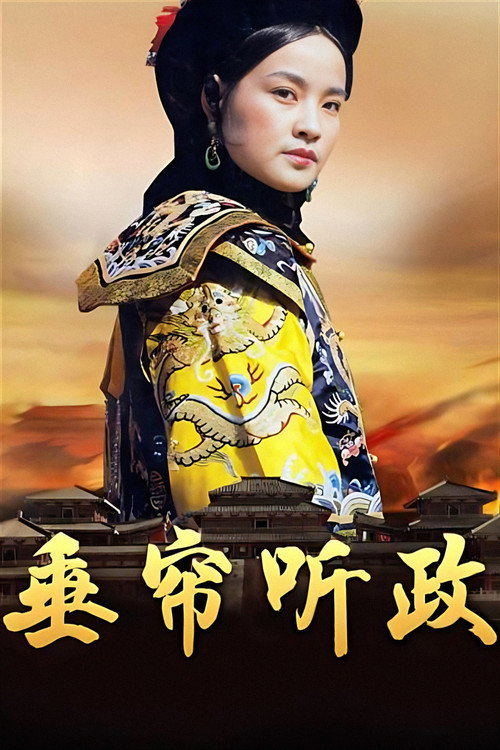
Reign Behind a Curtain is a sophisticated historical drama that challenges the stereotype of passive female figures. By focusing on Cixi's rise to power, the film questions traditional gender hierarchies within a restrictive patriarchal framework. Despite being confined by the demographic realities of its historical setting, the film avoids glorifying the monarchy. Instead, it presents the imperial institution as a fractured and corrupt entity. The narrative uses the Emperor's physical vulnerabilities to shift the focus of stability toward the female protagonists, creating a nuanced study of power and survival.
Category Breakdown
The film adheres strictly to the social norms of the Qing Dynasty and does not explore identities beyond the assumption that everyone is straight and cisgender. It does not delve into same-sex relationships or non-traditional gender roles.
The story focuses on Empress Dowager Cixi taking control in a male-dominated political environment. It highlights the tension between powerful women and the patriarchal system they navigate.
The cast is ethnically uniform, reflecting the historical context of the Chinese imperial court. This provides a focused look at East Asian history.
The film depicts the imperial family as involved in political maneuvering and systemic corruption. It portrays the traditional state as being in a state of crisis.
The Xianfeng Emperor's health issues are shown, but they serve mainly as narrative devices. His symptoms highlight his declining authority rather than exploring disability in depth.
Present on Screen
Limited or Absent
1989
1989
1963
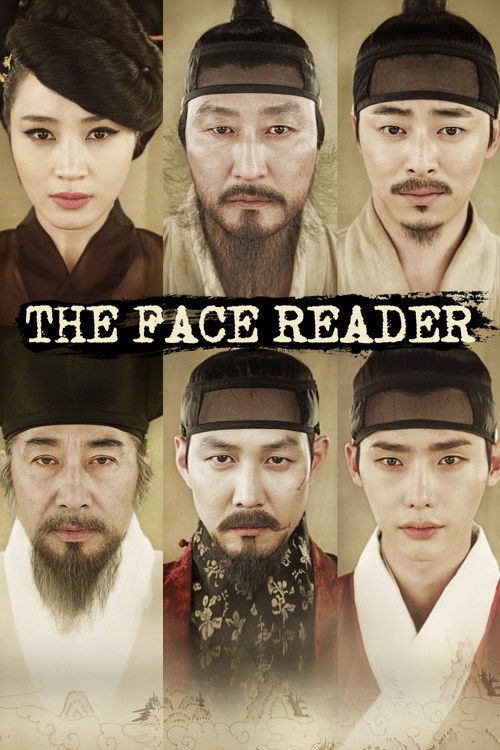
2013
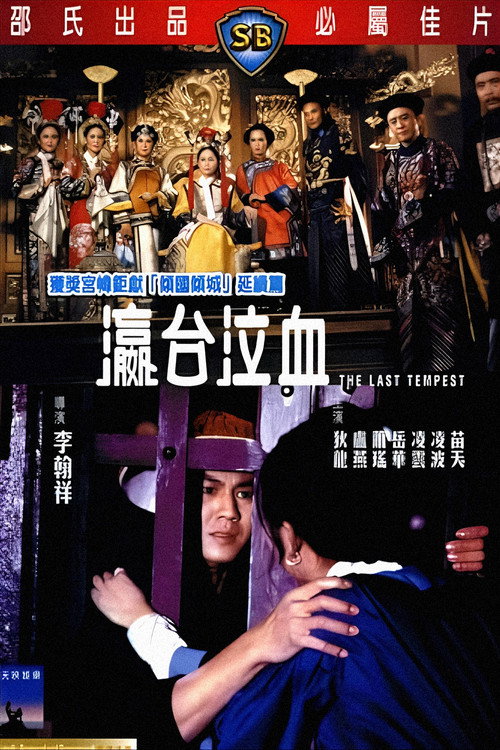
1976
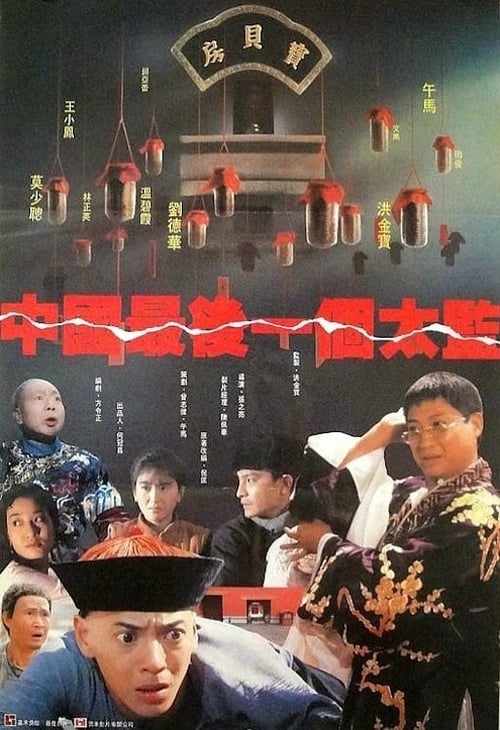
1987
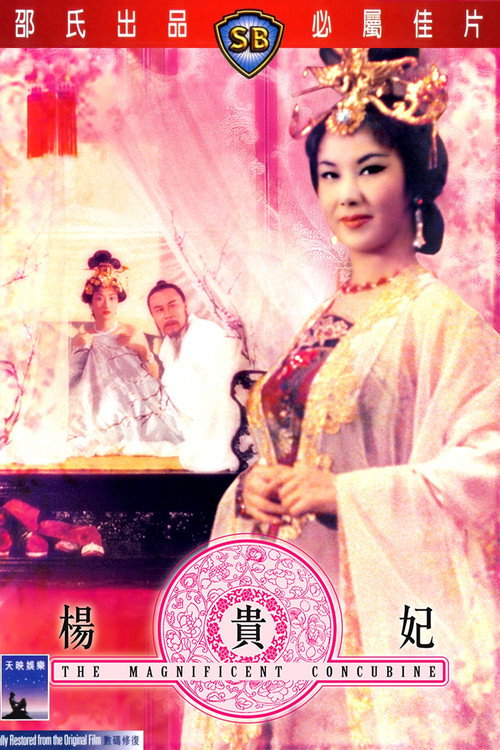
1962
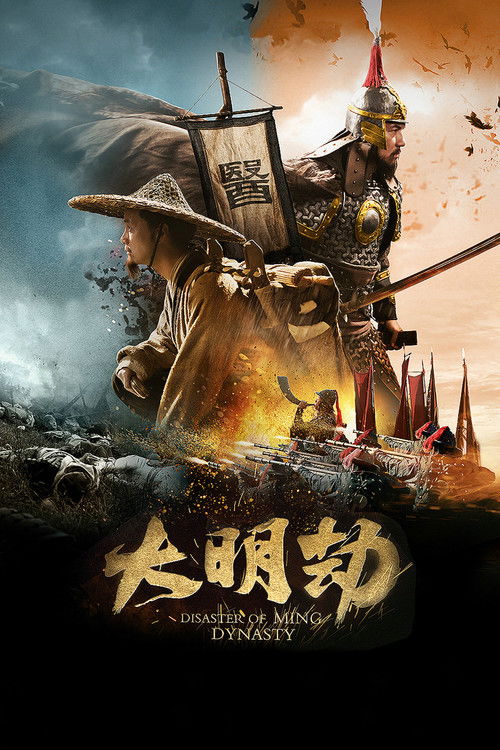
2013
No reviews yet. Be the first to share your thoughts on this movie!
Use the rating form above to leave a star rating and optional review.