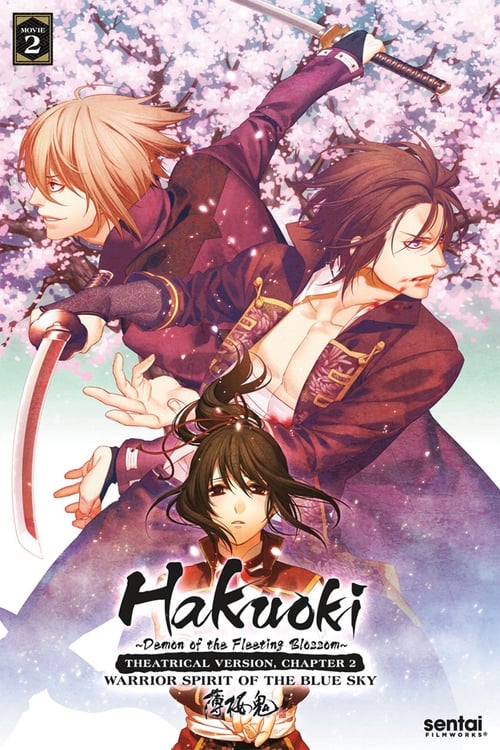
Hakuouki: Warrior Spirit of the Blue Sky
2014
No user ratings available yet
Representation score: 6.1 out of 10
Representation Score
Good
2011
PG-13Director
Kazuya Nomura
Runtime
95 minutes
Average Rating
No ratings yetNew Showbiz Analysis
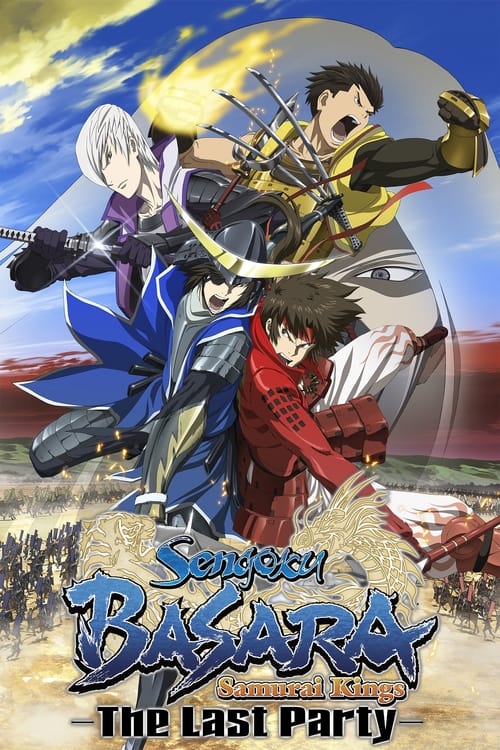
Sengoku Basara: The Last Party is a hyper-stylized reimagining of the Sengoku period that prioritizes mythic expression over historical accuracy. It successfully challenges traditional gender roles by featuring combat-oriented women who play a significant role in driving the story. However, the film is constrained by its ethnically uniform setting and a lack of explicit LGBTQ+ or disability-focused storytelling. The emphasis remains on individualistic martial strength. Overall, the film serves as a postmodern deconstruction of social order, celebrating the disruptive power of exceptional individuals through high-fantasy action.
Category Breakdown
The film emphasizes martial skills and destiny rather than explicit LGBTQ+ identities. It doesn't clearly depict same-sex relationships or non-cisgender identities, focusing instead on traditional character roles.
Female characters play significant roles as powerful warriors, disrupting traditional gender hierarchies. They navigate violent political landscapes with the same capabilities as men, challenging the passive female stereotype.
The cast is ethnically uniform, reflecting the feudal Japanese setting. It avoids whitewashing by maintaining a strictly Japanese aesthetic, although it lacks multicultural casting.
The narrative views feudal hierarchies as stages for individualistic rebellion. It prioritizes personal destiny and stylized violence over religious or state-sanctioned morality.
Characters are defined by physical vitality and martial strength. There is no significant focus on visible or invisible disabilities within the narrative.
Present on Screen
Limited or Absent
Official Synopsis
The story of the film is set after the conflict instigated by Toyotomi Hideyoshi ended, but not before the Battle of Sekigahara determines who shall be the Shogun of Japan.
2014

1974
2004
1997
2018

2017
2012
2023
No reviews yet. Be the first to share your thoughts on this movie!
Use the rating form above to leave a star rating and optional review.