
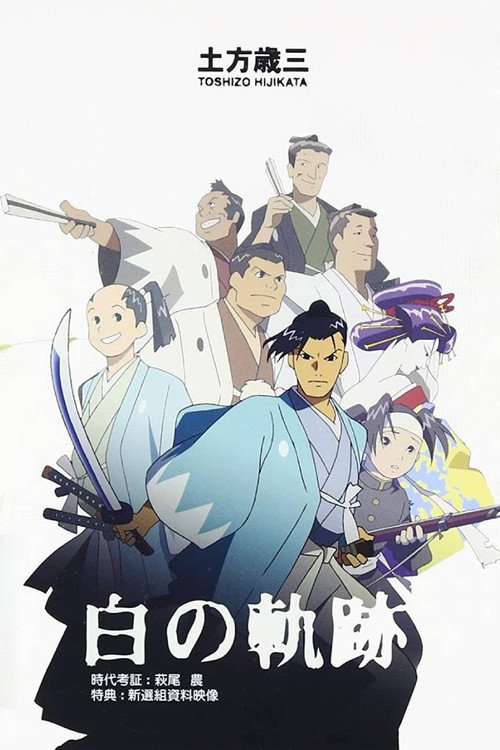
Peacemaker Kurogane: Belief
2018
No user ratings available yet
Representation score: 4.0 out of 10
Representation Score
Limited
2004
Director
Chie Uratani
Runtime
32 minutes
Average Rating
No ratings yetNew Showbiz Analysis
This historical animation functions as a traditional period piece centered on the Shinsengumi during the Meiji Restoration. The narrative structure is shaped by the social hierarchies of 19th-century Japan, emphasizing established martial traditions. The work adheres to conventional genre expectations for samurai dramas. It prioritizes historical accuracy and the exploration of a fading social order rather than challenging traditional norms related to identity. Due to its focus on a specific, homogeneous historical context, the film lacks diverse representation across gender, race, and sexual orientation. The emphasis remains on the political and military struggles of the era.
Category Breakdown
The film focuses on the rigid military structures of the Shinsengumi. There are no explicit LGBTQ+ identities or critiques of straight relationships.
The movie centers on a male-dominated military hierarchy. Female characters do not have much influence or control over their roles.
Set in the Bakumatsu period, the cast is ethnically uniform. The story focuses on the specific ethnic and cultural context of the time.
The film examines the fall of the Shogunate through historical conflicts. Morality is tied to the bushido code and factional loyalty.
No specific details regarding the portrayal of physical or neurodivergent characters are available.
Present on Screen
Limited or Absent
Official Synopsis
Historical samurai OVA about the deputy leader of the Shinsengumi, who fought on the side of the Shogun prior to the Meiji Restoration.
2018

1974

2011
1997
2012
2021

1980

2011
No reviews yet. Be the first to share your thoughts on this movie!
Use the rating form above to leave a star rating and optional review.