Kai Doh Maru
2001
No user ratings available yet
Representation score: 6.0 out of 10
Representation Score
Good
1997
Not RatedDirector
Hatsuki Tsuji
Runtime
91 minutes
Average Rating
No ratings yetNew Showbiz Analysis
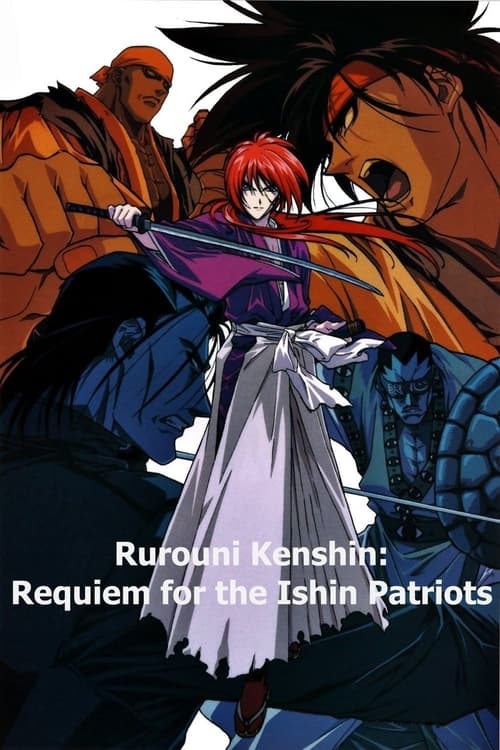
Samurai X: The Motion Picture is a sophisticated historical drama that prioritizes philosophical depth over modern demographic representation. It excels by using the Meiji Restoration to challenge the idea of progress and the legitimacy of centralized state power. The film's strength lies in its use of cultural shifts as a means to discuss identity. While it lacks explicit LGBTQ+ or neurodivergent representation, it avoids many common clichés by giving female characters genuine ability to act. Ultimately, the work serves as a critique of social Darwinism and institutional corruption, offering a nuanced, morally relative view of a society in transition.
Category Breakdown
The film centers on political conflicts and traditional personal relationships. It doesn't include characters with non-binary gender identities or stories that question the assumption that everyone is straight. The movie sticks closely to the social norms of its historical context.
Kamiya Kaoru breaks down traditional gender roles by being a skilled martial artist instead of a domestic figure. Although the main conflict is driven by men, women are shown as capable participants in the era's social environment.
The cast is ethnically uniform due to the Meiji Restoration setting. However, the film explores the tension between traditional Japanese culture and the influence of Western modernity through the theme of Westernization.
The story criticizes centralized authority and institutional corruption. It portrays rapid modernization as an oppressive force that affects underrepresented groups, such as former samurai, during a time of significant societal change.
Characters bear physical and psychological marks of violence, serving as indicators of combat experience. However, the film does not feature characters whose primary storylines revolve around neurodivergence or physical disabilities.
Present on Screen
Limited or Absent
Official Synopsis
The war against the Tokugawa Shogunate ended years ago. But there are some who are not happy with the outcome. Shigure Takimi watched his friends and family get slashed down in the name of freedom and prosperity. Now he and a band of desparate rebels have sworn to settle one final score. Only one man stands in their way: Rurouni Kenshin. Will the former assassin take up his sword to fight again? When Shigure discovers Kenshin's true identity and his fight becomes a personal vendetta, the young hero will have no choice.
2001
2013
2023

2007
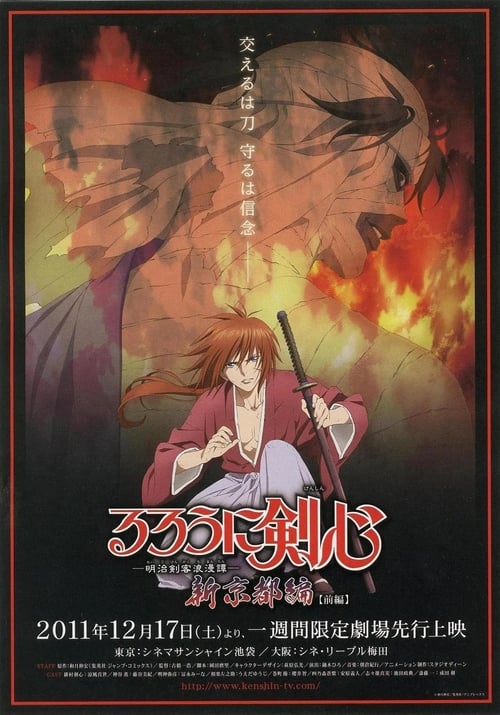
2011
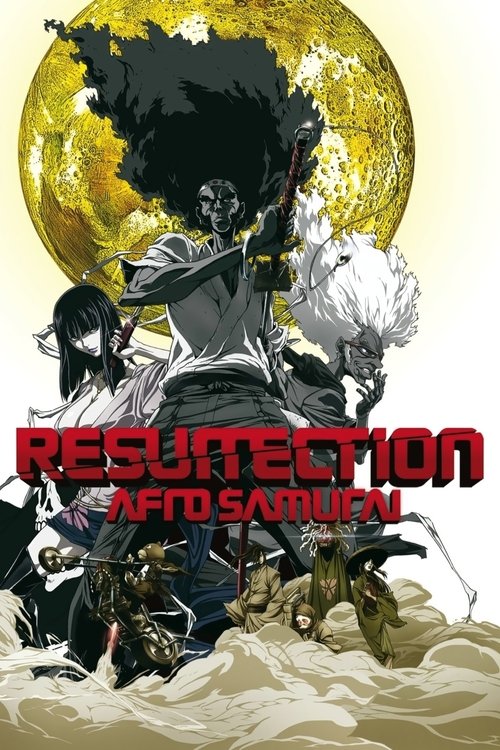
2009
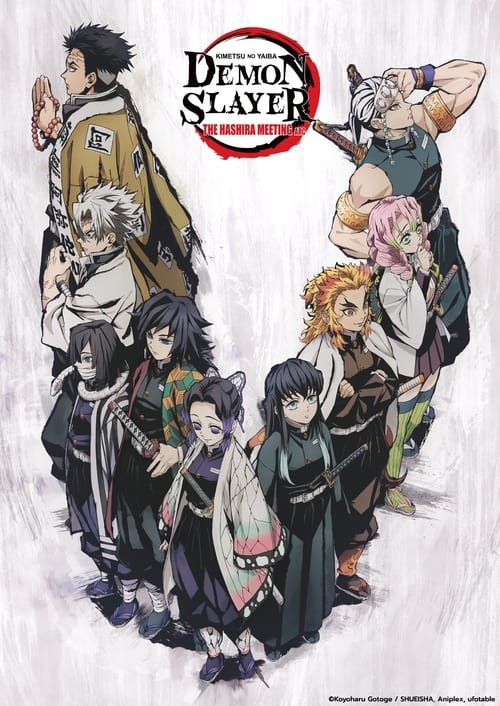
2021

2005
No reviews yet. Be the first to share your thoughts on this movie!
Use the rating form above to leave a star rating and optional review.