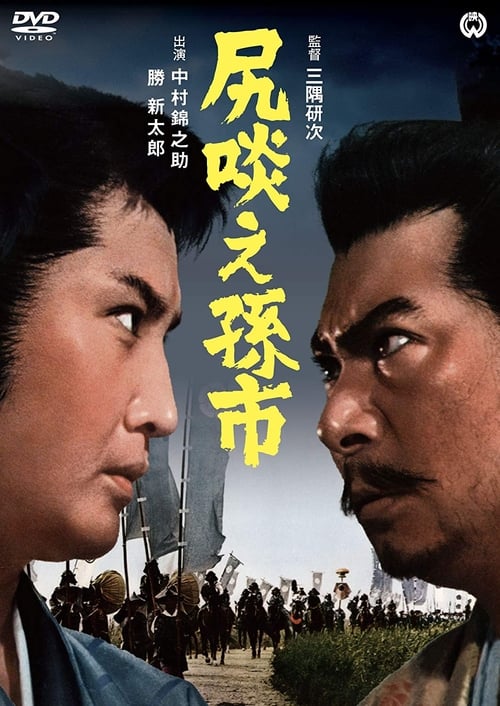
The Magoichi Saga
1969
No user ratings available yet
Representation score: 1.8 out of 10
Representation Score
Fair
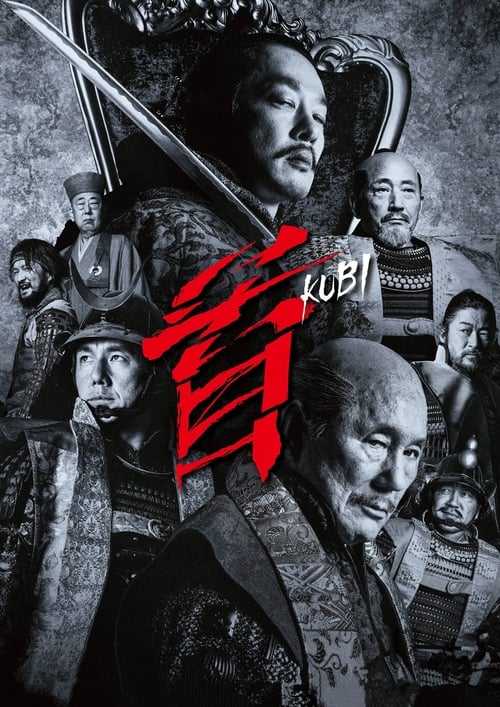
2023
Director
Takeshi Kitano
Runtime
131 minutes
Average Rating
No ratings yetNew Showbiz Analysis
Takeshi Kitano uses the Sengoku period to analyze power and identity. Instead of a heroic samurai tale, the film disrupts historical storytelling clichés through a lens of moral relativism. The director's pedigree and the film's recognition by queer-centric bodies suggest a deliberate effort to challenge rigid social hierarchies. The narrative replaces singular morality with a complex, situational ethics framework. While the film is culturally specific to its era, it succeeds in deconstructing the systemic violence and instability inherent in traditional political hierarchies.
Category Breakdown
The film challenges assumptions about straight relationships within the strict social structures of the Sengoku period. Its Queer Palm win at Cannes highlights its engagement with queer themes or perspectives that reflect multiple aspects of identity.
Set in a patriarchal era, the film disrupts conventional leadership expectations. It portrays the pursuit of masculine dominance as chaotic and destabilizing rather than noble.
The cast remains culturally homogeneous, consistent with 16th-century Japan. It lacks diverse casting but offers a deep exploration of specific cultural identity.
The narrative critiques traditional power structures and the fragility of feudal loyalty. It presents historical figures as complex actors driven by survival rather than virtue.
There is no documented evidence regarding the inclusion of characters with physical or neurodivergent disabilities.
Present on Screen
Limited or Absent
Official Synopsis
Lord Oda Nobunaga plans to control Japan where rival warlords battle by waging war against several clans. His vassal Araki Murashige stages a rebellion and promptly disappears.
1969

1952

2012

1974
2011

2017

1961

2017
No reviews yet. Be the first to share your thoughts on this movie!
Use the rating form above to leave a star rating and optional review.