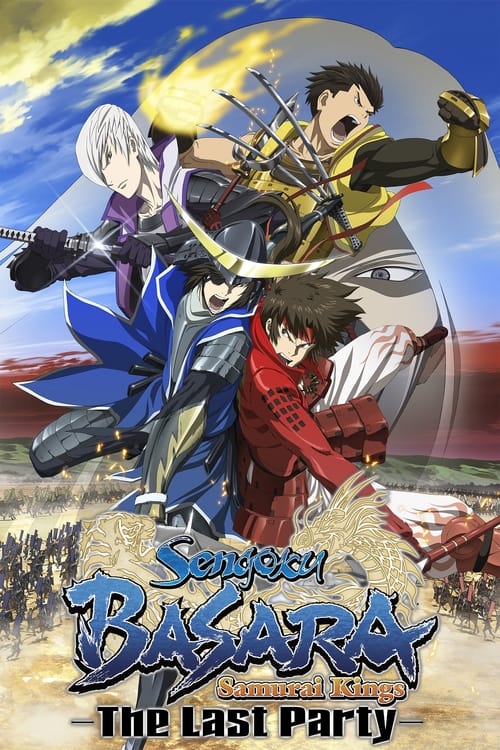
Sengoku Basara: The Last Party
2011
No user ratings available yet
Representation score: 6.7 out of 10
Representation Score
Good
2014
Director
Osamu Yamasaki
Runtime
87 minutes
Average Rating
No ratings yetNew Showbiz Analysis
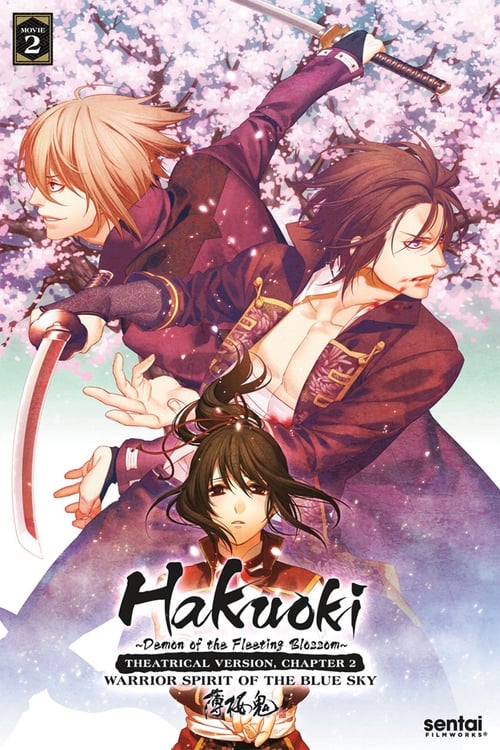
Hakuouki: Warrior Spirit of the Blue Sky is a romanticized historical fantasy that challenges rigid expectations of masculinity through highly stylized, emotive male characters. However, the film remains tethered to conventional structures, relying on historical homogeneity and traditional romantic dynamics, which limits its broader social impact. The narrative prioritizes individualistic tragedy over systemic or diverse social exploration. Ultimately, the film offers a specific, culturally grounded experience that deconstructs gendered archetypes without venturing into explicit queer representation or diverse social commentary.
Category Breakdown
The film uses the bishōnen aesthetic to highlight male beauty and emotional vulnerability. Although it doesn't include explicit queer identities or romantic arcs, the stylized bonds between men challenge traditional warrior roles.
Chizuru Yukimura serves as the central lens and emotional anchor within a male-dominated military structure. She maintains a significant role in driving the story, influencing the male characters' trajectories rather than falling into submissive roles.
The cast is ethnically uniform, reflecting the historical Bakumatsu period of Japan. While this avoids whitewashing, the film does not disrupt ethnic homogeneity or challenge historical norms.
The story explores the tension between traditionalist structures and civil unrest through a supernatural lens. It focuses on individual loyalty and subjective morality rather than a systemic critique of Western influence.
There is no significant focus on visible or invisible disabilities. The supernatural Rasetsu condition serves as a combat-related plot device rather than a nuanced exploration of physical or neurodivergent experiences.
Present on Screen
Limited or Absent
Official Synopsis
The second part of the retelling of the first and second seasons of the anime.
2011

1974
2013
1997
2004
2018
2012
2011
No reviews yet. Be the first to share your thoughts on this movie!
Use the rating form above to leave a star rating and optional review.