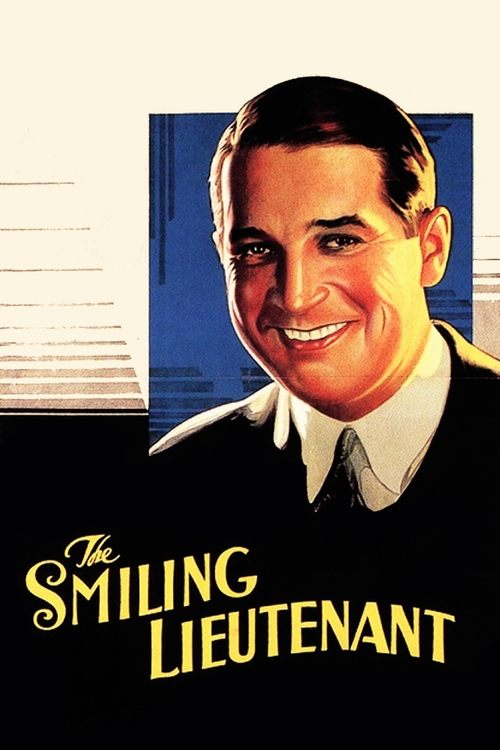
The Smiling Lieutenant
1931
No user ratings available yet
Diversity score: 1.4 out of 10
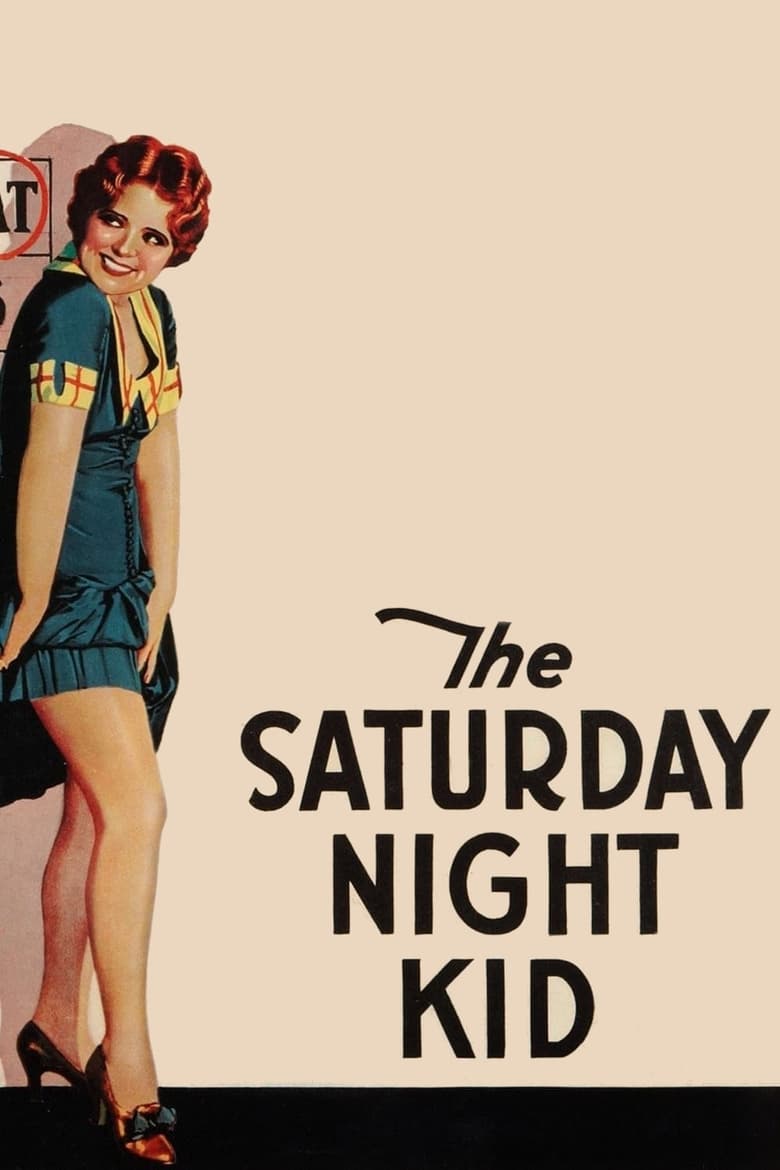
1929
NRDirector
A. Edward Sutherland
Runtime
63 minutes
Average Rating
No ratings yetSynopsis
Mayme and sister Janie are salesgirls in Ginsberg's Department Store. Mayme is in love with store clerk Bill, but Janie tries to steal him from her. Hazel, another salesgirl, is Jean Harlow's first credited role.
Overall Score
Limited
Category Breakdown
LGBTQ+ Representation
The film follows a conventional romantic structure centered on a male clerk and two female competitors. There is no evidence of non-cisnormative identities or narratives that challenge heteronormative structures.
Gender Representation
Female protagonists Mayme and Janie are central to the workplace setting. However, their agency is tied to romantic competition for male attention, reinforcing traditional hierarchies rather than professional empowerment.
Racial & Ethnic Diversity
The narrative likely adheres to the era's standard casting norms. There is no evidence of diverse casting or intersectional character depth within this homogeneous social environment.
Religious & Cultural Diversity
The story operates within a standard capitalist framework centered on a department store. It lacks critiques of Western institutions or any evidence of anti-establishment themes.
Disability Representation
The narrative does not feature characters navigating physical or neurodivergent experiences. No representation of disability is present in the story.
Strengths
Areas for Improvement
AI Analysis
The Saturday Night Kid is a period-typical romantic comedy that reflects the mainstream cinematic conventions of 1929. The plot relies on established tropes of courtship and domestic rivalry, specifically focusing on women competing for a man's affection. While the film provides a baseline of female presence through its protagonists, the narrative architecture remains tethered to traditional social hierarchies. The characters' motivations are driven by interpersonal conflict rather than independent professional or intellectual growth. Ultimately, the film lacks intentional efforts to disrupt social norms or provide nuanced, intersectional representation, functioning instead as a standard commercial comedy of its era.
1931
1932
1930
1926
1937
1926
1935

1941
1937

1924

1936
1930
No reviews yet. Be the first to share your thoughts on this movie!
Use the rating form above to leave a star rating and optional review.