The Victor
1923
No user ratings available yet
Diversity score: 2.4 out of 10

1930
NRDirector
Scott Pembroke
Runtime
66 minutes
Average Rating
No ratings yetSynopsis
The son and daughter of an abusive shopkeeper turn to a medicine show salesman for help.
Overall Score
Limited
Category Breakdown
LGBTQ+ Representation
The film lacks any evidence of LGBTQ+ characters or non-cisnormative identities. The narrative focuses on a traditional domestic framework centered around a shopkeeper's family.
Gender Representation
A daughter seeks agency to escape an abusive domestic situation, offering a slight departure from total passivity. However, the film likely adheres to standard 1930s gender roles.
Racial & Ethnic Diversity
The production reflects the homogeneous demographic norms of 1930. There is no indication of significant non-white representation or race-bent casting in the narrative.
Religious & Cultural Diversity
The story reinforces traditional Western values regarding family and commerce. The itinerant medicine man character does not disrupt the era's standard moralizing or domestic themes.
Disability Representation
There are no specific details regarding characters with physical or neurodivergent disabilities present in the film's documentation.
Strengths
Areas for Improvement
AI Analysis
The Medicine Man is a conventional early sound-era comedy-romance that operates within the strict social and cinematic constraints of 1930. The narrative architecture relies on traditional moral structures and heteronormative family dynamics, offering little in the way of systemic critique or intersectional depth. While the plot provides a small window into female agency through a daughter's struggle against an abusive parent, the film remains largely bound by the era's standard tropes. It functions as a period-typical piece of commercial filmmaking rather than a work of intentional social subversion. Ultimately, the film lacks diverse representation across most categories, reflecting the homogeneous demographic norms of early Hollywood. It prioritizes a standard domestic conflict over any meaningful exploration of identity or marginalized perspectives.
1923

1927
1920
1936
1935
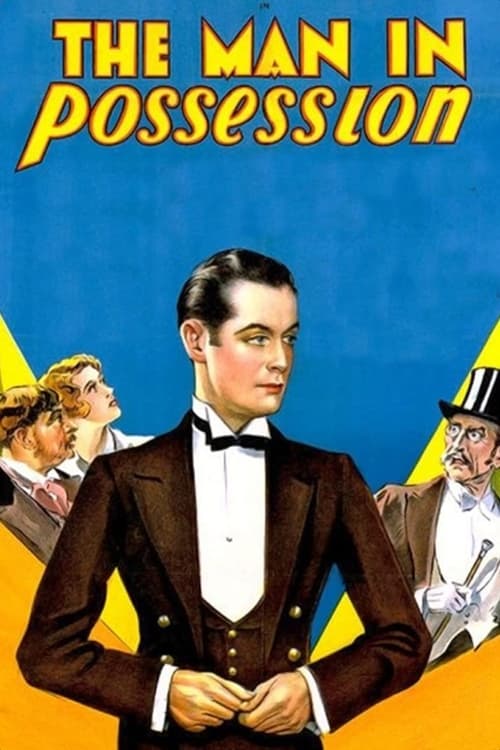
1931
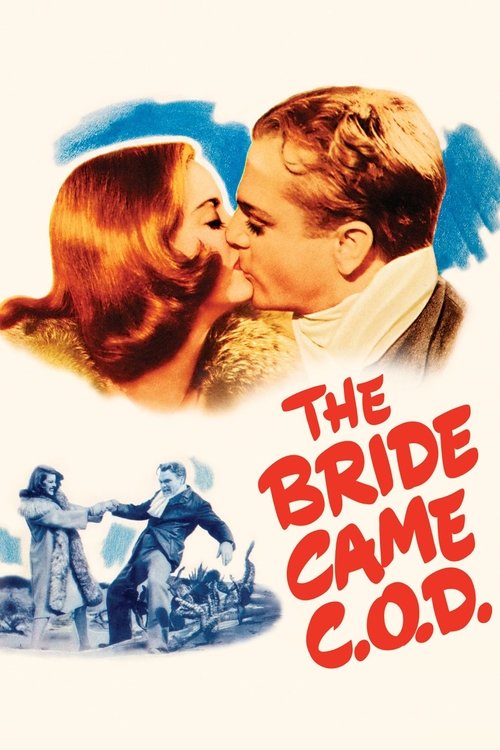
1941
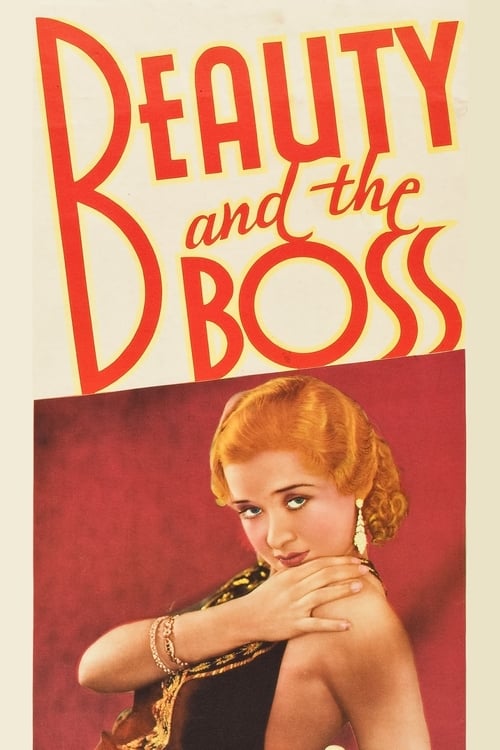
1932
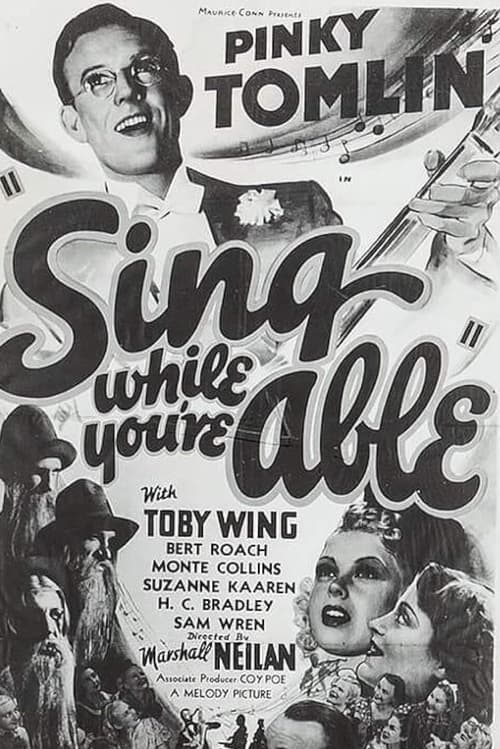
1937
1937
1928
1929
No reviews yet. Be the first to share your thoughts on this movie!
Use the rating form above to leave a star rating and optional review.