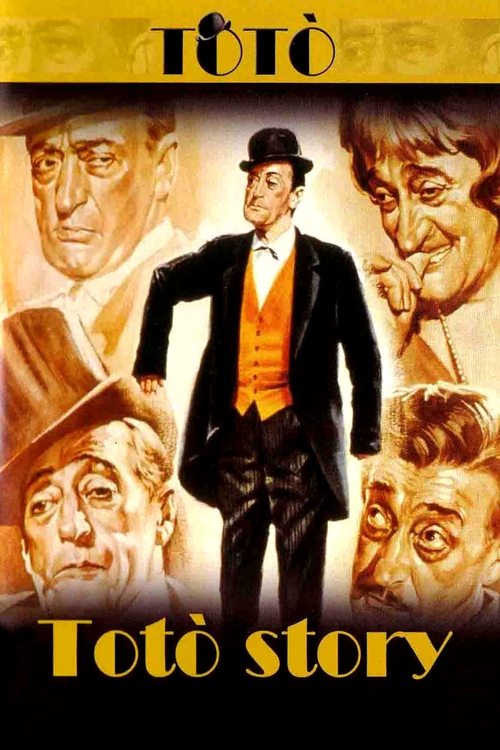
Totò Story
1968
No user ratings available yet
Representation score: 3.4 out of 10
Representation Score
Limited
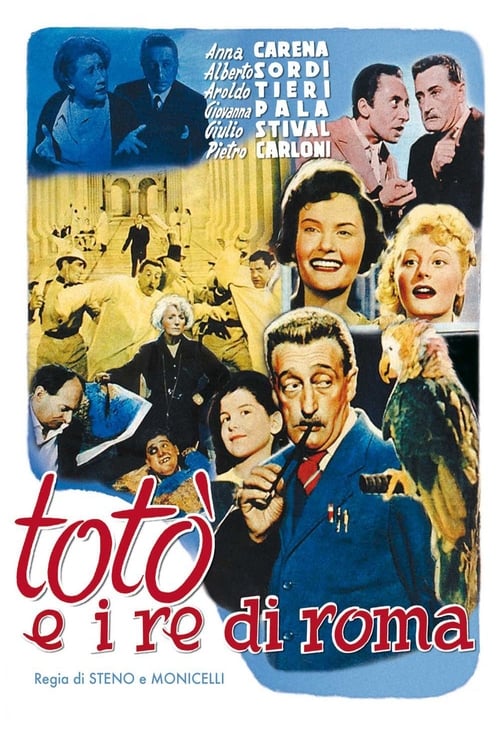
1952
Director
Mario Monicelli, Steno
Runtime
99 minutes
Average Rating
No ratings yetNew Showbiz Analysis
Totò e i re di Roma is a product of its time, prioritizing social satire over identity-based representation. While it lacks diversity in terms of race, gender, and LGBTQ+ identities, it delves into socioeconomic struggles. The film uses humor to critique the systemic failures of post-war Italy. By focusing on the lower class, it challenges the perceived benevolence of formal legal and capitalist structures. Ultimately, the work provides a sharp, subversive look at how individuals navigate rigid institutional morality.
Category Breakdown
The film lacks LGBTQ+ characters or representations of non-straight identities. It focuses on traditional family structures typical of post-war Italian cinema.
Gender roles reflect early 1950s hierarchies, emphasizing male struggles for control. Women appear in traditional roles without showing systemic or intellectual dominance.
The setting mirrors the demographic uniformity of post-war Rome. The cast represents a localized, ethnically homogeneous Italian population without intentional racial mixing.
The narrative critiques institutions through the lens of the impoverished. It highlights the tension between survival and rigid economic systems using situational ethics.
There is no intentional portrayal of physical disabilities or neurodivergence. The characters' bumbling nature serves as a comedic device rather than meaningful representation.
Present on Screen
Limited or Absent
Official Synopsis
An aging, down-and-out public employee must face the primary school examination.
1968

1980
1964
1975

1992
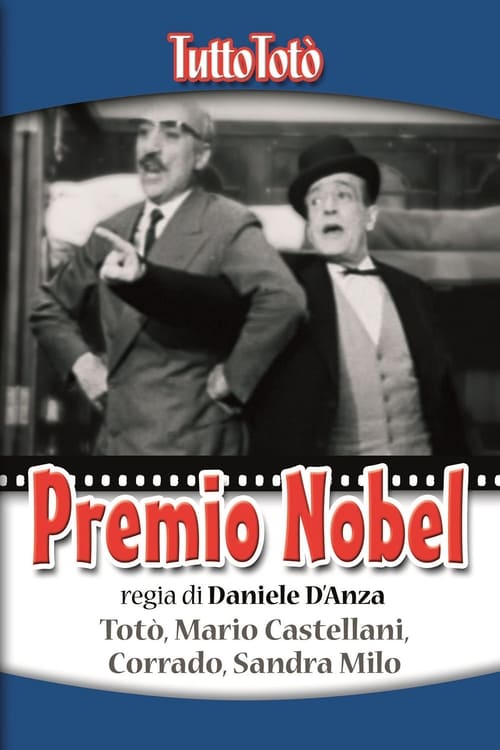
1967
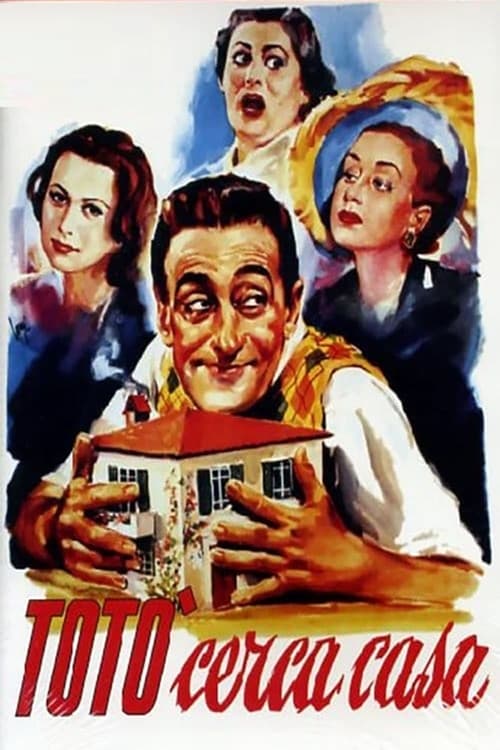
1949

1967
No reviews yet. Be the first to share your thoughts on this movie!
Use the rating form above to leave a star rating and optional review.