Signori si nasce
1960
No user ratings available yet
Representation score: 0.8 out of 10
Representation Score
Minimal
1963
Director
Paolo Heusch
Runtime
105 minutes
Average Rating
No ratings yetNew Showbiz Analysis
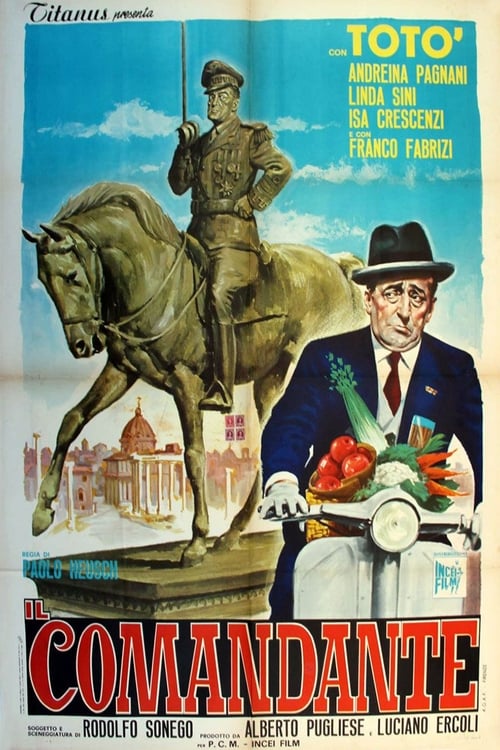
The Commandant is a mid-century comedy that operates within traditional social frameworks. It relies on established hierarchies rather than attempting to deconstruct them through an multi-layered lens. While the film offers a minor subversion of masculine competence by portraying a retired general as a domestic nuisance, it lacks depth. The narrative remains anchored in conventional social and economic structures of the period. Ultimately, the film functions as a standard period piece that does not actively seek to challenge or represent underrepresented identities.
Category Breakdown
The film does not include any LGBTQ+ characters or non-cisgender identities. It focuses solely on traditional family structures.
The story revolves around a patriarchal figure whose loss of status provides some comedic relief. While the wife shows economic independence, the power dynamics remain tied to conventional hierarchies.
The setting appears localized and homogeneous, reflecting the cinematic norms of its time. There is no indication of a multi-ethnic cast or diverse racial representation.
The plot explores class and economic stability through themes of employment and debt, treating these disruptions as comedic drivers rather than systemic critiques of Western institutions.
There is no mention of physical or neurodivergent disabilities within the narrative context.
Present on Screen
Limited or Absent
Official Synopsis
The retired general Antonio Cavalli is a nuisance to his family: to his wife Francesca who still works, to his son and to his daughter-in-law. Then he finds a job in a building firm. Only by chance Cavalli finds out that his salary is paid by his wife to keep him busy. But the general is well known as a very reliable man, and Sandrelli, the firm's owner, uses him and his name to win a valuable contract. When Sandrelli is arrested, the general finds the money to honour his debt but he is robbed while he is going to the bank...
1960
1983
1959

1964
1964
1961
1948
1964
No reviews yet. Be the first to share your thoughts on this movie!
Use the rating form above to leave a star rating and optional review.