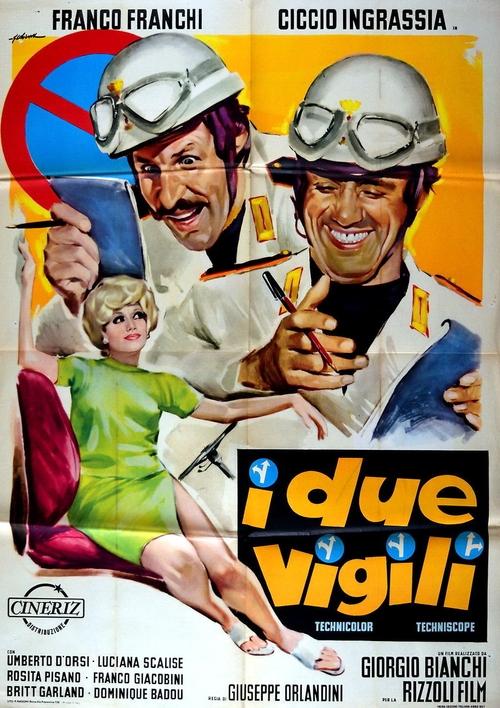
I due vigili
1967
No user ratings available yet
Representation score: 1.4 out of 10
Representation Score
Limited
1951
Director
Steno, Mario Monicelli
Runtime
105 minutes
Average Rating
No ratings yetNew Showbiz Analysis
Cops and Robbers is a localized study of Italian socioeconomic conditions rather than a diverse demographic showcase. While it excels in cultural critique, using the lens of Italian Neorealism to challenge the legitimacy of state institutions and the morality of the law, the film lacks modern representation markers. The narrative is heavily centered on male archetypes, and the cast reflects the demographic homogeneity of 1950s Rome, offering little in the way of racial or LGBTQ+ diversity. Ultimately, the film's strength lies in its social commentary, highlighting the struggles and ability to act of the underrepresented working class.
Category Breakdown
The film focuses solely on a male-driven conflict between a thief and a police officer. There are no representations of LGBTQ+ identities or queer subtext.
The film relies on traditional 1950s gender hierarchies, where male archetypes drive the plot, and female characters remain peripheral to the central struggle between the law and the criminal.
Set in post-war Rome, the film reflects the demographic homogeneity of its time. The cast consists of working-class Italian archetypes without any racial diversity.
The film offers a sophisticated critique of Western institutions and capitalist structures. It frames criminality as a product of economic necessity rather than inherent malice.
There are no prominent depictions of physical or neurodivergent disabilities used as central plot devices or defining character traits.
Present on Screen
Limited or Absent
Official Synopsis
Esposito is a thief who cons tourists in Rome. Officer Bottoni manages to catch him and starts persecuting him. When Esposito manages to flee, Bottoni's superiors inform him that he'll lose his job if he can't catch Esposito.
1967

1970

1962
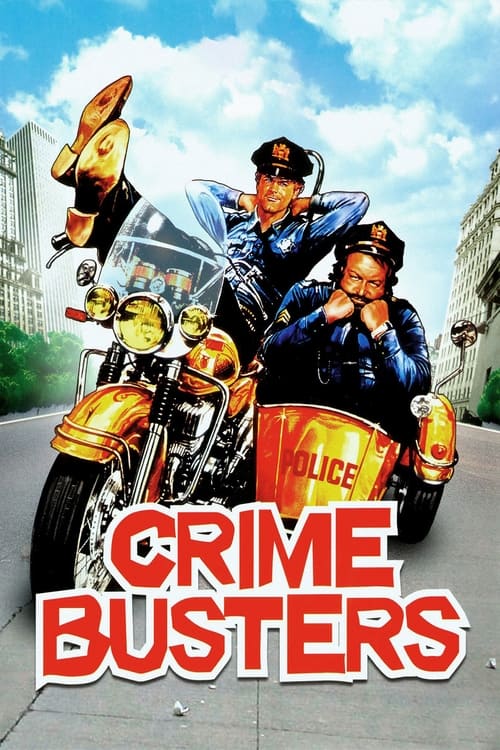
1977
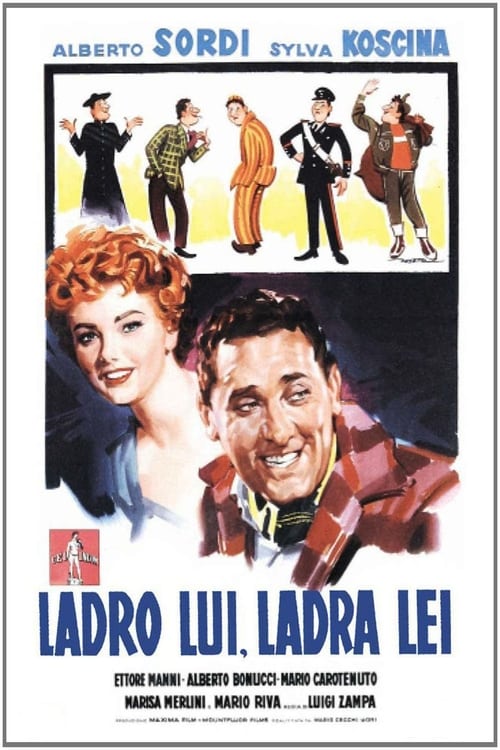
1958
1959

1960

1983
No reviews yet. Be the first to share your thoughts on this movie!
Use the rating form above to leave a star rating and optional review.