What's for Dinner, Mom?
2016
No user ratings available yet
Diversity score: 6.3 out of 10
2007
Director
Tony Ayres
Runtime
103 minutes
Average Rating
No ratings yetSynopsis
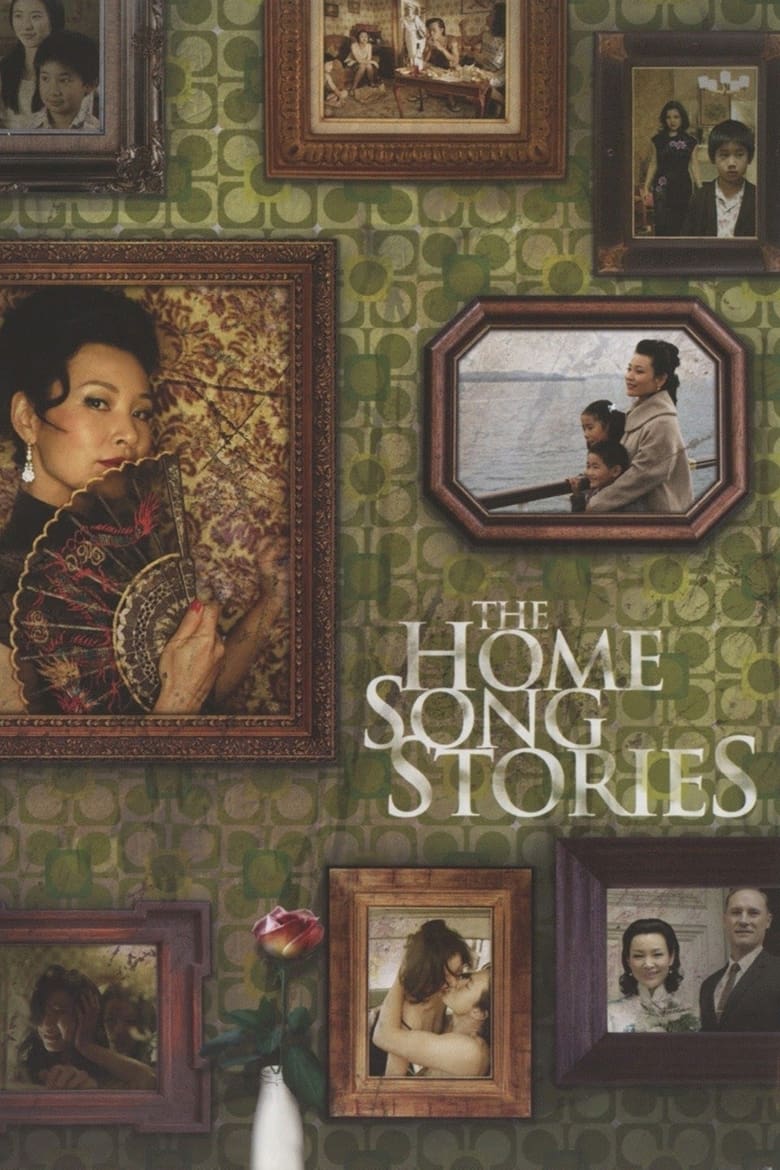
Tom, now in his 40s, begins to write the memoirs of his 1960s childhood, as the little boy whose mother Rose was a glamorous Shanghai nightclub singer. When Rose meets Aussie sailor Bill, they are quickly married, and she packs up Tom and his older sister May to head for Melbourne. The marriage just as quickly breaks up and Rose moves with the kids to Sydney. After a succession of male friends and little success, in 1971 Rose moves back to Melbourne, in an uncomfortable arrangement living again with Bill – and his mother. With Bill called away to sea, Rose takes up with young Chinese cook Joe, but despair and conflicts over May's relationship with Joe tear the family further apart. Little Tom is deeply hurt, but May's ongoing conflict with her mother takes a respite when Rose tells her daughter about her traumatic teenage years.
Overall Score
Good
Category Breakdown
LGBTQ+ Representation
The film lacks explicit LGBTQ+ characters or central queer storylines. While it explores the dissolution of a heteronormative marriage, there is no active representation of non-cisnormative identities.
Gender Representation
The narrative disrupts traditional hierarchies by centering on the mother's emotional labor and psychological endurance. It highlights the instability of masculine leadership as the family unit collapses.
Racial & Ethnic Diversity
The film excels in portraying the Asian-Australian experience within a 1960s suburban landscape. It uses the protagonist's background to explore the friction between cultural heritage and assimilation.
Religious & Cultural Diversity
The story critiques the sanctity of the Western nuclear family by depicting its fragmentation. It prioritizes the painful reality of the immigrant experience over a sanitized view of suburban life.
Disability Representation
There is no significant or central depiction of physical or neurodivergent disabilities. The film focuses on emotional states rather than using disability as a primary narrative driver.
Strengths
Areas for Improvement
AI Analysis
The Home Song Stories is a sophisticated domestic drama that successfully disrupts conventional mid-century Western family expectations. It uses a localized setting to critique broader systemic and cultural norms through the lens of displacement. The film's primary strength is its nuanced portrayal of the immigrant experience. By centering an Asian-Australian family, it challenges the homogeneity of 1960s Australia and provides a deep look at cultural nuances. However, the film lacks diversity in terms of LGBTQ+ representation and does not feature characters with physical or neurodivergent disabilities. The narrative remains focused on the emotional dissolution of a heteronormative household.
2016
2010
1999
1983

2006

1994
1985
2018
2014
2010
2006

2019
No reviews yet. Be the first to share your thoughts on this movie!
Use the rating form above to leave a star rating and optional review.