
L
2016
No user ratings available yet
Representation score: 4.7 out of 10
Representation Score
Good
2018
Director
Zhou Zhou
Runtime
88 minutes
Average Rating
No ratings yetNew Showbiz Analysis
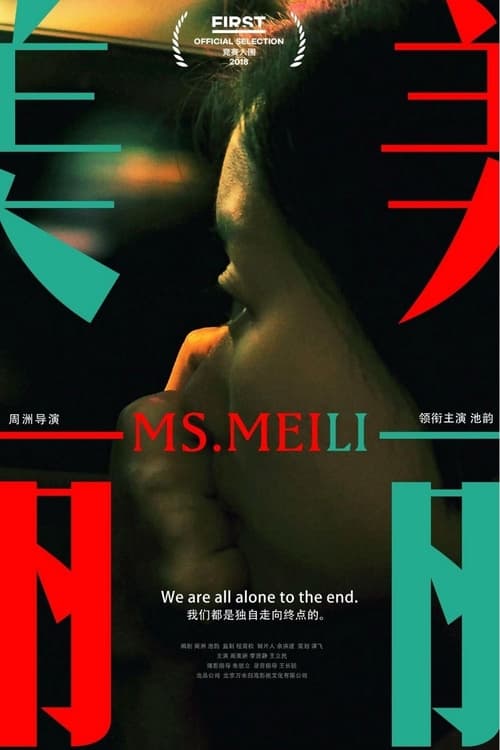
Meili is a harrowing character study that challenges the idealized family cliché. It replaces traditional notions of domestic stability with a gritty look at how systemic failures impact individual lives. The film excels at deconstructing patriarchal structures. By presenting male figures as sources of instability and violence, it provides a meaningful, if painful, representation of the underrepresented female experience. While the narrative lacks explicit LGBTQ+ or neurodivergent markers, its focus on economic precariousness and the fragility of social support systems provides significant depth to its social critique.
Category Breakdown
The film focuses on heterosexual and cisgender relationships, with no LGBTQ+ characters or narratives critiquing these norms. There is no representation of LGBTQ+ identities or stories.
The story centers on the experiences of women and their vulnerability to patriarchal violence. It avoids traditional masculine roles, instead showing men as sources of betrayal and deception.
As a Chinese production, the film reflects its specific cultural context. It emphasizes class struggles and regional displacement between rural areas and urban centers like Shanghai.
The story critiques traditional social institutions by portraying the nuclear family as a site of exploitation rather than a sanctuary. It highlights the breakdown of traditional moral certainties.
No physical or neurodivergent disabilities are explicitly mentioned. However, the film explores the psychological impact of trauma and the invisible scars left by systemic abuse.
Present on Screen
Limited or Absent
Official Synopsis
22-year-old Meili is an ill-fated girl. Abandoned by her parents, she was raised by her elder sister, who is infertile. Meili was set up to be raped by her brother-in-law and gave birth to a daughter secretly. Her sister often asked her for child support. To avoid her sister’s harassment, Meili quits her job and decides to follow her lover Wen to Shanghai. Unexpectedly, Wen leaves her in Changchun. Abandoned by love, also unemployed, the helpless Meili meets Yu, who finds her another job. Her sister flees to Meili due to family violence. Her brother-in-law finds her, bringing to the surface unbearable memories. Meili resigns. Desperately she expects Wen's return, but what waits around the corner is more deception and betrayal.
2016

2014

2018

1962
2010
2023

2018

2004
No reviews yet. Be the first to share your thoughts on this movie!
Use the rating form above to leave a star rating and optional review.