
So Long, My Son
2019
No user ratings available yet
Representation score: 6.1 out of 10
Representation Score
Good
1994
Director
Wang Xiaoshuai
Runtime
80 minutes
Average Rating
No ratings yetNew Showbiz Analysis
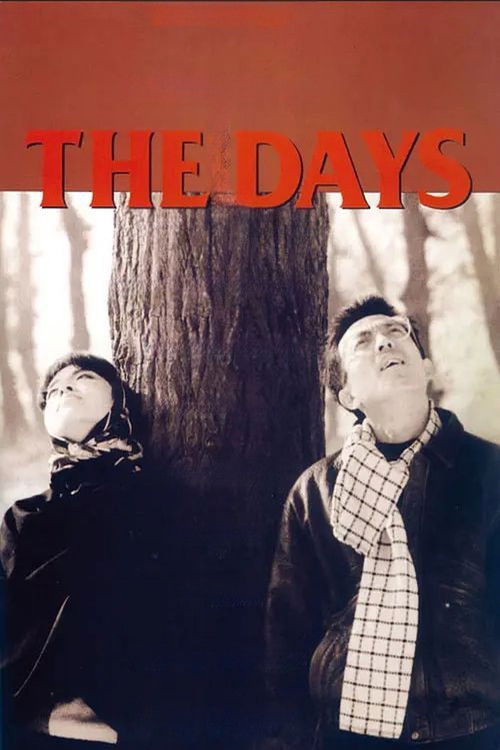
The Days is a gritty, realist study of urban alienation in post-reform China. It challenges traditional success stories by focusing on the aimlessness and drifting of bohemian artists amidst social upheaval. While the film lacks broad demographic representation in terms of LGBTQ+ and disability, it achieves depth through its cultural critique. It rejects institutional optimism in favor of a postmodern, cynical view of economic transition. Ultimately, the work's significance lies in its structural challenge to grand national narratives, offering a fragmented look at individual identity.
Category Breakdown
The film focuses on heterosexual relationships and does not include explicit representation of LGBTQ+ identities. It does not provide diverse portrayals of gender and sexuality.
Characters experience emotional turmoil and social instability. The narrative avoids traditional patriarchal structures, showing all genders equally affected by urban pressures.
The cast and setting are ethnically uniform, reflecting a focused study of 1980s Beijing. It emphasizes internal cultural authenticity over exoticized portrayals.
The film critiques traditional social cohesion and modernizing institutions. It challenges idealized depictions of family and nationalistic stability through a lens of disillusionment.
There is no significant evidence of characters with visible or invisible disabilities. No meaningful representations of neurodivergence or physical impairment drive the plot.
Present on Screen
Limited or Absent
Official Synopsis
A portrait of urban anomie focusing on two bohemian artists who drift through the miasma of old Beijing in the 1980s.
2019

1997

2001

1995

2005

2001
2002

2006
No reviews yet. Be the first to share your thoughts on this movie!
Use the rating form above to leave a star rating and optional review.