
Son of Saul
2015
No user ratings available yet
Representation score: 5.0 out of 10
Representation Score
Fair
2005
RDirector
Lajos Koltai
Runtime
140 minutes
Average Rating
No ratings yetNew Showbiz Analysis
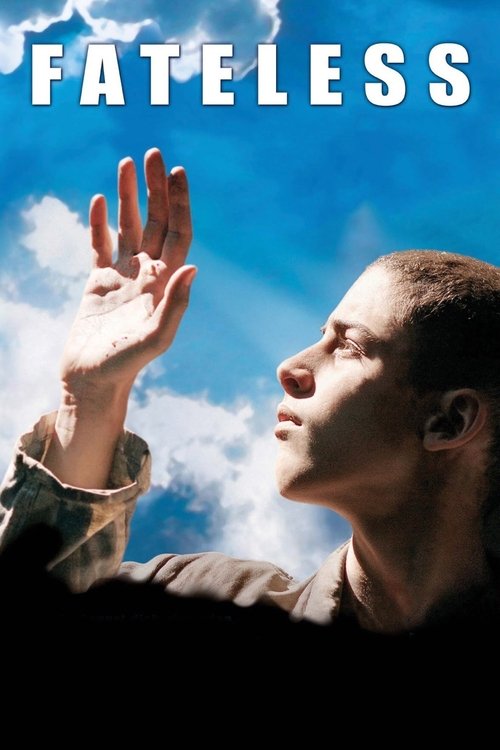
Fateless provides a profound exploration of Jewish identity and systemic ethnic persecution. However, the film's scope is narrow, focusing on a specific survivalist framework and a male-centric perspective. Despite this, it effectively critiques state power and the collapse of social order.
Category Breakdown
The film focuses on the survivalist dynamics within the Holocaust and does not include any LGBTQ+ representation or queer subtext.
The story centers around a male protagonist and his male peers, with no significant female roles that drive the narrative.
The film centers on the Jewish experience during the Holocaust, exploring ethnic identity and systemic persecution.
It critiques the collapse of social order and state structures under totalitarianism, examining how systemic oppression affects established social and familial norms.
The film depicts physical and mental degradation from starvation and forced labor, showing the impact of environmental cruelty rather than individual ability to act.
Present on Screen
Limited or Absent
Official Synopsis
A Hungarian youth comes of age at Buchenwald during World War II. György Köves is 14, the son of a merchant who's sent to a forced labor camp. After his father's departure, György gets a job at a brickyard; his bus is stopped and its Jewish occupants sent to camps. There, György find camaraderie, suffering, cruelty, illness, and death. He hears advice on preserving one's dignity and self-esteem. He discovers hatred. If he does survive and returns to Budapest, what will he find? What is natural; what is it to be a Jew? Sepia, black and white, and color alternate to shade the mood.
2015

1965

1955
2001
2006

2019

1988

1997
No reviews yet. Be the first to share your thoughts on this movie!
Use the rating form above to leave a star rating and optional review.