
The Invasion
1945
No user ratings available yet
Representation score: 6.0 out of 10

Representation Score
Limited
1945
Director
Mark Donskoy
Runtime
82 minutes
Average Rating
No ratings yetNew Showbiz Analysis
The Unconquered is a wartime drama centered on the resilience of a Soviet family during the Nazi occupation of Kiev. It focuses on industrial resistance and familial survival against an invading force. While the film lacks modern markers such as LGBTQ+ representation or racial plurality, it excels in cultural representation. It frames the struggle against a dominant, oppressive hierarchy as its central narrative driver. The film’s strength lies in its depiction of collective ability to act. It prioritizes the survival of the community and the defiance of an occupying power over individualistic themes.
Category Breakdown
The film does not include any characters with non-traditional gender identities or LGBTQ+ stories. Its focus is on wartime mobilization and traditional social cohesion.
Women play important roles in survival and resistance within the family unit. While specific power dynamics are not detailed, they have significant influence and ability to act.
The cast reflects the predominantly Slavic population of the 1945 Eastern Front. There is no multi-ethnic representation, focusing instead on the local population.
The narrative highlights collective resistance against Nazi occupation. It emphasizes communal and industrial efforts over individual pursuits, critiquing oppressive external forces.
There is no documented evidence of characters with physical or neurodivergent disabilities in this film.
Present on Screen
Limited or Absent
Official Synopsis
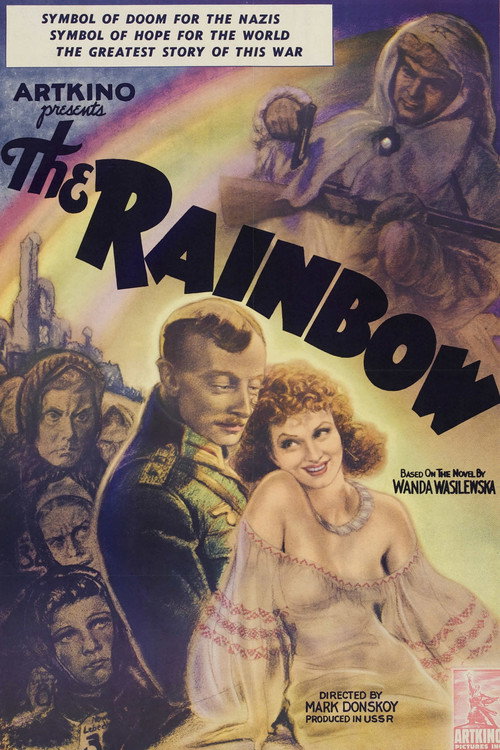
A semi-sequel to Donskoi's Raduga (1944), the story is set in Nazi-occupied Kyiv. The drama focusses on the travails of a typical Soviet family and on the efforts by the Germans to force the reopening of a local munitions factory.
1945
1977
1981
1944

1972

1949
1968

1967
No reviews yet. Be the first to share your thoughts on this movie!
Use the rating form above to leave a star rating and optional review.