Under a Stone Sky
1974
No user ratings available yet
Diversity score: 4.4 out of 10
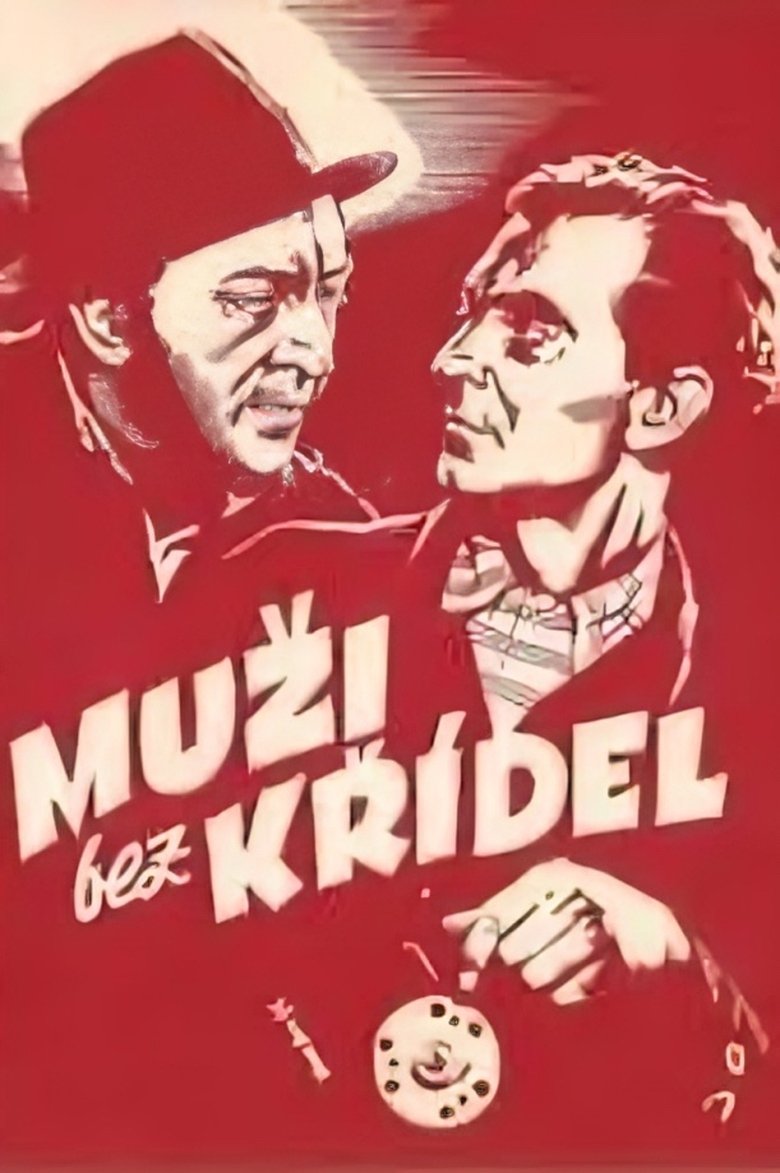
1946
Director
František Čáp
Runtime
76 minutes
Average Rating
No ratings yetSynopsis
After an attack against the guard of the Third Reich, Nazi repression intensifies, and the Czechoslovakian resistance's organized sabotage in an aircraft factory leads to Gestapo shootings.
Overall Score
Limited
Category Breakdown
LGBTQ+ Representation
The film offers no evidence of LGBTQ+ characters or non-cisnormative identities. The narrative focuses entirely on the collective struggle of the resistance movement.
Gender Representation
The story leans toward traditional masculine archetypes of heroism and combat. While women often held support roles in wartime, the film emphasizes the 'men' of the title.
Racial & Ethnic Diversity
The narrative centers on the ethnic struggle of the Czechoslovakian people against Nazi occupation. The character dynamics appear ethnically homogeneous due to the localized resistance setting.
Religious & Cultural Diversity
The film provides a strong critique of the Third Reich's institutional power. It frames the resistance as a necessary response to systemic oppression and totalitarianism.
Disability Representation
There is no information regarding the portrayal of physical or neurodivergent disabilities. The focus remains on the political and military aspects of the resistance.
Strengths
Areas for Improvement
AI Analysis
Men Without Wings is a historical drama rooted in the immediate aftermath of World War II. Its primary purpose is to depict the Czechoslovakian resistance and the fight against Nazi repression. The film prioritizes national sovereignty and anti-fascist struggle over modern identity-based narratives. Because the film was produced in 1946, it lacks the intersectional complexities found in contemporary cinema. The storytelling is driven by the tension between an occupied population and the Gestapo rather than a diverse array of social identities. Ultimately, the work functions as a localized piece of nationalistic cinema. It succeeds in its anti-authoritarian themes but does not engage with broader social hierarchies or diverse representation.
1974

1992

1967
1959
1955

1945
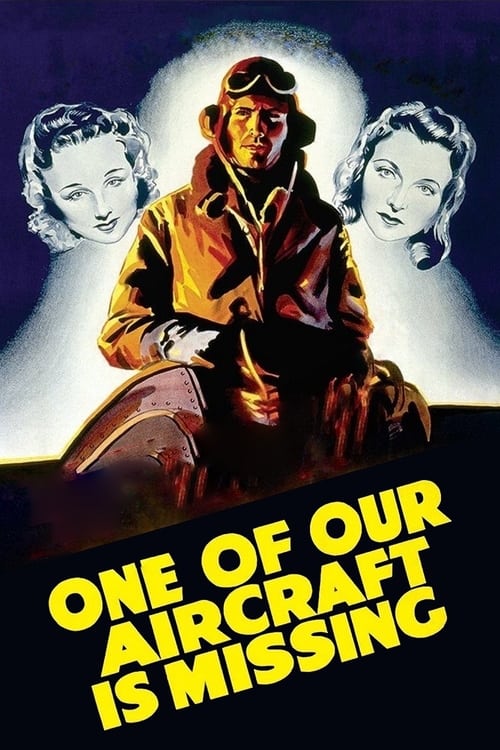
1942
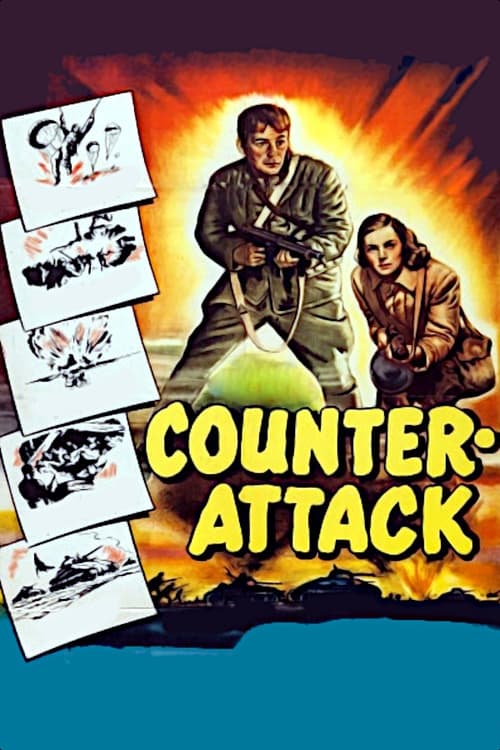
1945
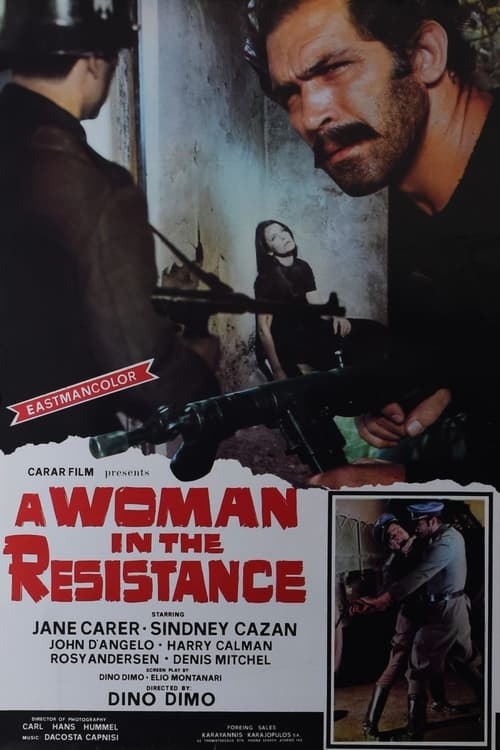
1970
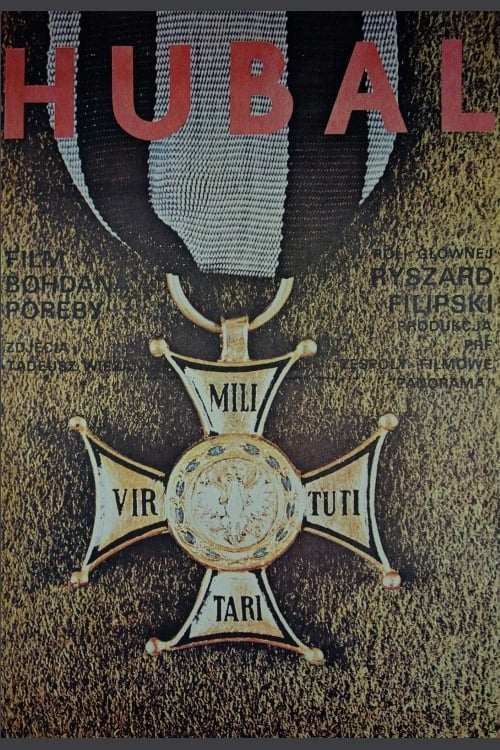
1973
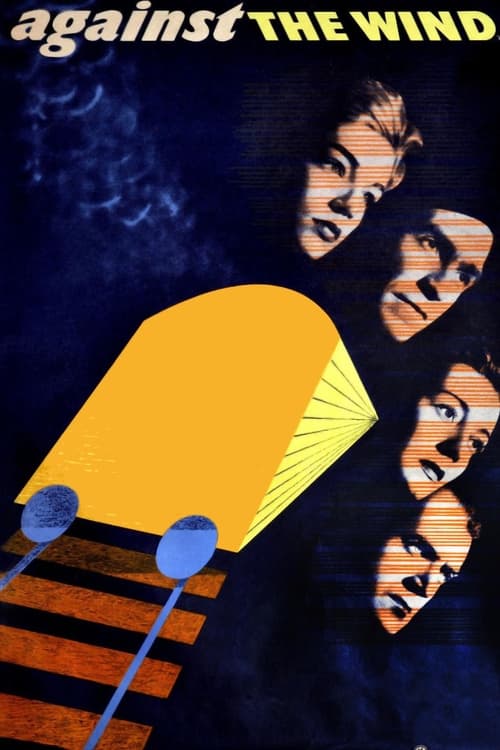
1948
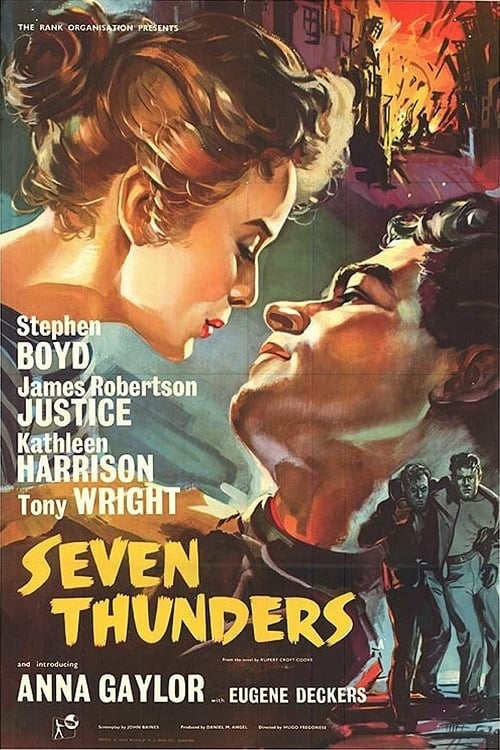
1957
No reviews yet. Be the first to share your thoughts on this movie!
Use the rating form above to leave a star rating and optional review.