
Eva
1948
No user ratings available yet
Representation score: 1.4 out of 10

Representation Score
Minimal
1953
Director
Gösta Werner
Runtime
10 minutes
Average Rating
No ratings yetNew Showbiz Analysis
To Kill a Child is a period-specific drama that reflects the social constraints of 1953. The narrative prioritizes conventional domesticity and homogeneous social structures, offering minimal engagement with the overlapping aspects of identity. The film operates within established social hierarchies, focusing on a rural Swedish idyll. It presents a traditional family unit and a heterosexual couple without disrupting established cultural norms. Because the story centers on a mid-century nuclear family, it lacks the diversity of identity or perspective found in more contemporary or subversive cinema.
Category Breakdown
The film focuses on a nuclear family and a heterosexual couple. There is no evidence of non-straight identities or critiques of the assumption that everyone is straight.
Roles align with mid-century domestic archetypes, featuring a mother and father in a traditional breakfast scene. The film does not challenge traditional gender roles.
Set in a rural Swedish village, the cast appears ethnically homogeneous. There is no indication of racial blending or non-white characters.
The narrative reinforces mid-century Western values through a traditional family structure. It lacks elements of secularism or the deconstruction of institutions.
The story contains no mention of characters with visible or invisible disabilities. No information is available to assess this category.
Present on Screen
Limited or Absent
Official Synopsis
In a Swedish village, situated in a rural idyll, a father, mother and little daughter are preparing breakfast on a Sunday morning. The family is looking forward to the boat trip that is to follow. The little girl's thoughts are already completely on the water. But there is no sugar in the house, so the mother sends her little daughter to the neighbor across the street to quickly get some. Two villages further on, a young man is filling up his car with gas so that he can drive to the Baltic Sea with his girlfriend. In their convertible, the young people feel blithe and free on the country road and race towards the village where the little girl is just crossing the street with the sugar to return home.
1948
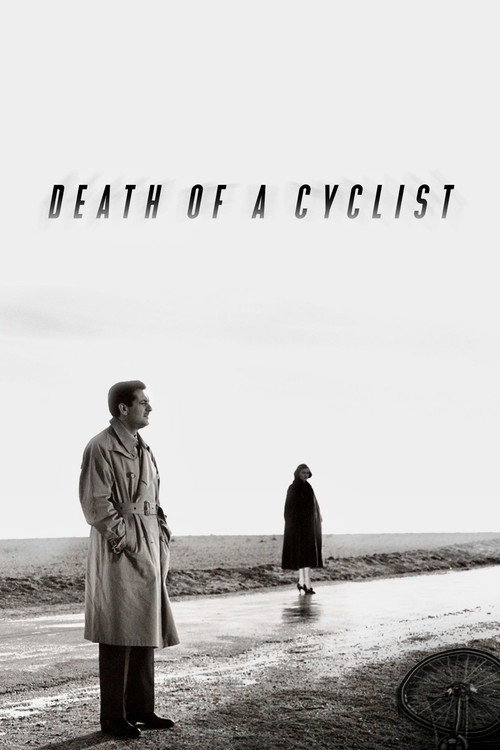
1955
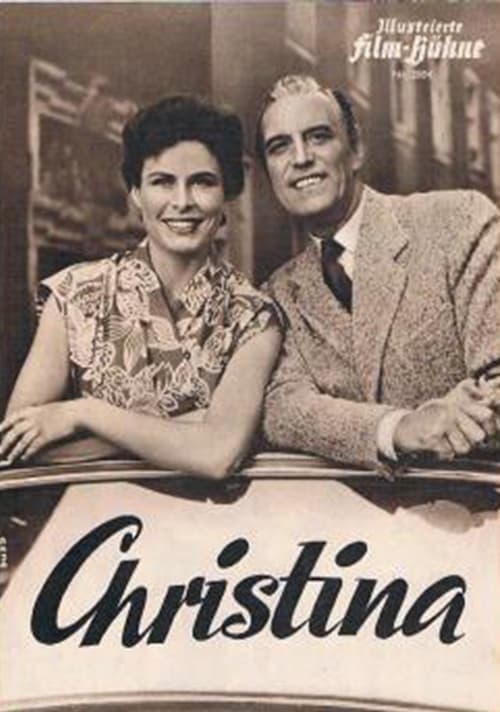
1953

1976

2012

1971

1962

1967
No reviews yet. Be the first to share your thoughts on this movie!
Use the rating form above to leave a star rating and optional review.