
The Stepmother
1972
No user ratings available yet
Representation score: 0.4 out of 10
Representation Score
Minimal
1951
ApprovedDirector
Anthony Kimmins
Runtime
93 minutes
Average Rating
No ratings yetNew Showbiz Analysis
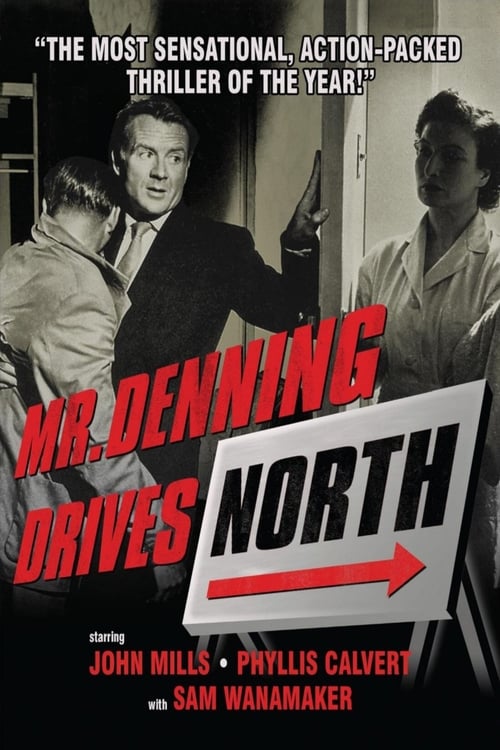
Mr. Denning Drives North is a conventional mid-century social drama that adheres strictly to the demographic norms of its era. The narrative is built around a patriarchal structure, focusing on a well-off male protagonist navigating a moral crisis. The film lacks depth in representing diverse racial, ethnic, or LGBTQ+ identities. It operates within a homogeneous social landscape and functions as a character study of guilt and class preservation rather than a subversive work. Ultimately, the film reinforces traditional 1950s social roles and lacks the narrative structure to disrupt established clichés or provide meaningful representation for underrepresented groups.
Category Breakdown
The story focuses on traditional family dynamics involving a father, daughter, and boyfriend. There is no indication of non-binary gender identities or critiques of traditional social structures.
The plot centers on the male figure of Denning, whose actions drive the narrative. While the wife becomes involved later, the primary role and moral weight remain with the male protagonist.
The film reflects the homogeneous social landscape of 1951 Britain. There is no evidence of diverse casting or the inclusion of non-Anglo-Saxon characters in the narrative.
The drama explores guilt and the preservation of social standing within established class structures. It depicts the breakdown of a traditional family unit rather than challenging Western institutions.
The narrative provides no information regarding characters with visible or invisible disabilities.
Present on Screen
Limited or Absent
Official Synopsis
When well-off aircraft designer Denning finds his daughter's current boyfriend is a nasty character he tries to buy him off, ending up hitting him and causing his death when he falls. Instead of calling the police he dumps the body in a lonely spot on the road to the North, making it look like a hit-and-run accident. Weeks later there is still no report of the body being found, and Denning starts to go to pieces. When he lets his wife into his secret the two start making enquiries, possibly making things worse.
1972
1955
1949

1950

1968
1949
1949

1964
No reviews yet. Be the first to share your thoughts on this movie!
Use the rating form above to leave a star rating and optional review.