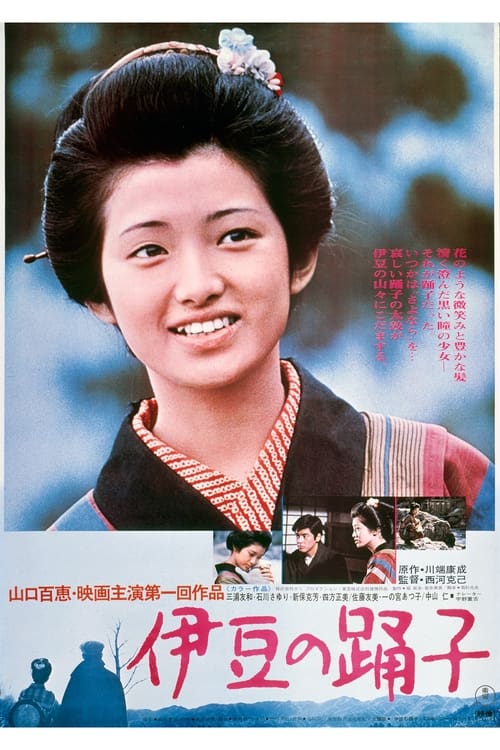
The Izu Dancer
1974
No user ratings available yet
Representation score: 2.3 out of 10
Representation Score
Fair
1989
Director
Masahiro Shinoda
Runtime
123 minutes
Average Rating
No ratings yetNew Showbiz Analysis
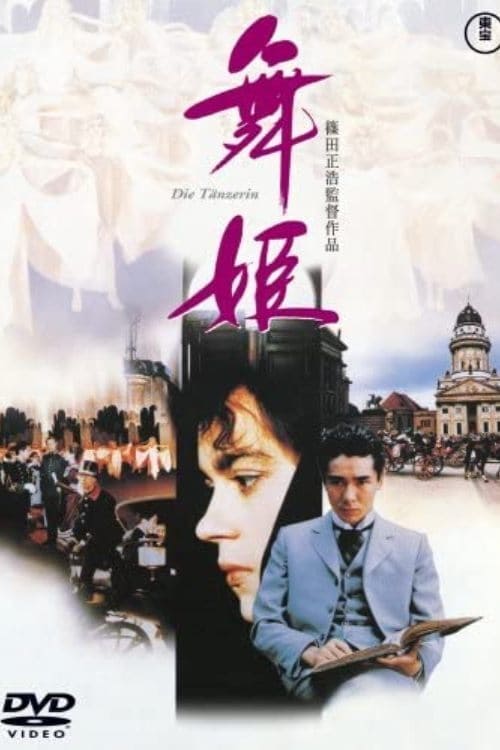
Masahiro Shinoda’s film is a deep psychological study set in a historical context that explores the tension between personal freedom and societal expectations. It stands out by giving the female lead a rich inner life and examining the complexities of cross-cultural interactions during the Meiji era. While the film shines in character-driven drama and the portrayal of strong women's ability to drive the story, it remains confined to traditional romantic storylines and lacks explicit political or queer themes.
Category Breakdown
The film focuses on a romantic relationship between a Japanese student and a German dancer. It stays within traditional romantic storylines without highlighting non-traditional gender identities.
The narrative challenges the idea of passive female roles by emphasizing the dancer's internal complexity and her ability to make decisions. It looks at the psychological and economic pressures faced by the dancer in her career.
Set in late 19th century Berlin, the film highlights the clash between Eastern and Western cultures. It carefully portrays the unique cultural backgrounds of both main characters.
The story questions strict societal rules through the lens of personal desires. It emphasizes individual wants over state-imposed ethics or political ideologies.
The film does not feature characters with visible or invisible disabilities playing key roles in the plot.
Present on Screen
Limited or Absent
Official Synopsis
Against the backdrop of late 19th-century Berlin, Toyotaro Ota, a young Japanese uni student studying in Germany, meets and falls in love with 16-year-old local dancer Elise. Their unconventional affair and subsequent cohabitation stir up a massive scandal that threatens his reputation, eventually reaching the ears of officials in Japan.
1974
1961
1974

1939
1987
2009

1991
1996
No reviews yet. Be the first to share your thoughts on this movie!
Use the rating form above to leave a star rating and optional review.