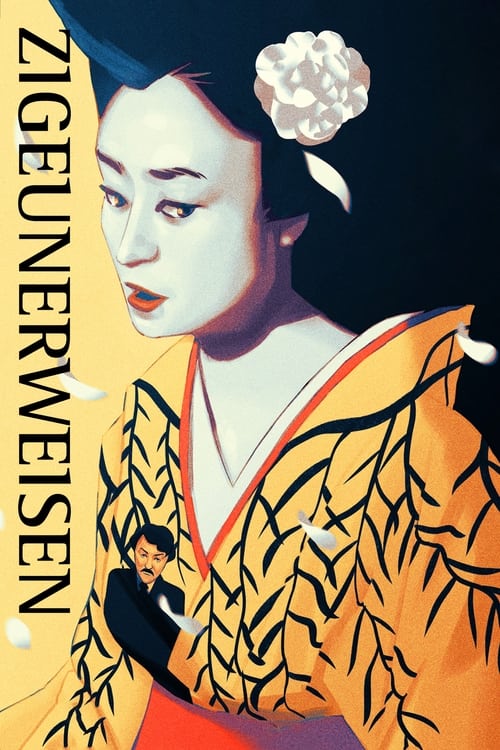
Zigeunerweisen
1980
No user ratings available yet
Representation score: 5.5 out of 10
Representation Score
Fair
1991
Not RatedDirector
Seijun Suzuki
Runtime
128 minutes
Average Rating
No ratings yetNew Showbiz Analysis
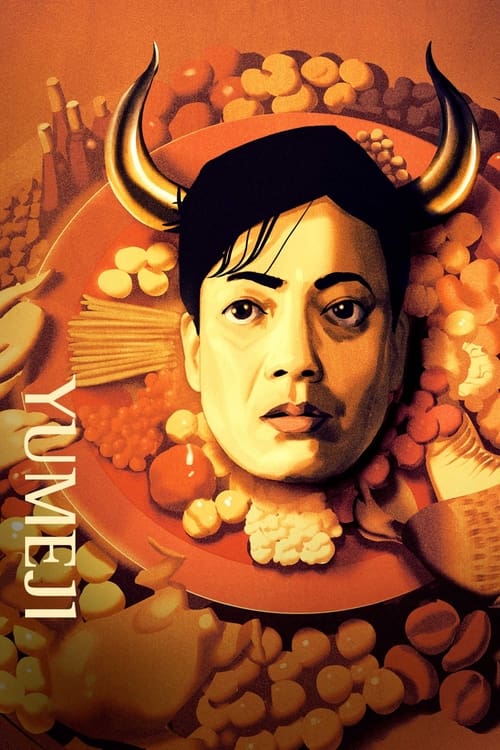
Seijun Suzuki’s *Yumeji* serves as a stylized, impressionistic tribute to the artist Yumeji Takehisa. Instead of following a conventional biographical format, the film employs a fragmented, non-linear structure to delve into the interplay of memory, identity, and desire. The film's strength lies in its departure from traditional historical narratives. By focusing on the protagonist's subjective experience and his relationship with a mysterious widow, the narrative dismantles the 'great man' cliché through emotional depth. While the film does not include diverse demographics, it offers a sophisticated critique of objective reality. It replaces rigid social hierarchies with a dreamlike exploration of the transient nature of the human psyche.
Category Breakdown
The film explores the protagonist's romantic and aesthetic sensibilities without explicitly depicting non-straight relationships. Its dreamlike transitions subtly challenge traditional romantic expectations.
Women in the film are portrayed who play a significant role in driving the story and mystery rather than as passive objects. The central widow plays a crucial role in the protagonist's psychological and artistic development.
The production provides an authentic look into the Taisho era's aesthetics. It avoids a Western perspective by emphasizing a localized, culturally specific Japanese narrative structure.
The narrative highlights the value of personal expression over strict societal norms. It validates the importance of individual creativity and self-expression.
There are no characters in the film who navigate physical or neurodivergent disabilities as central plot drivers.
Present on Screen
Limited or Absent
Official Synopsis
Following the life of Japanese artist and poet Yumeji Takehisa through the imagining of an encounter with a beautiful widow with a dark past.
1980
1952
1981
1985
1981
1977

1997
2025
No reviews yet. Be the first to share your thoughts on this movie!
Use the rating form above to leave a star rating and optional review.