
Cherish
1998
No user ratings available yet
Representation score: 7.5 out of 10
Representation Score
Excellent
1996
RDirector
Ryū Murakami
Runtime
100 minutes
Average Rating
No ratings yetNew Showbiz Analysis
Dance with Me is a transnational drama that avoids sentimental clichés in favor of exploring systemic vulnerabilities. By centering on the intersection of racial identity and the AIDS crisis, the film offers a sophisticated look at human connection and decay. The film succeeds in its multi-layered casting and its refusal to provide a redemptive, easy arc. It uses the protagonist's search to critique social structures and the fragility of memory. However, the narrative's reliance on a terminal illness to drive the plot creates a tension where the character's ability to drive the story is limited by his physical decline. This remains a central challenge in its portrayal of disability.
Category Breakdown
The film addresses the HIV/AIDS crisis through Jose, a character living with the epidemic's consequences. This approach examines the systemic vulnerabilities faced by underrepresented individuals, going beyond just having a character with HIV.
Kyoko serves as the narrative's primary driver, pursuing personal truth rather than traditional romance. Her journey disrupts conventional expectations of nurturing female roles by focusing on individualistic seeking.
A transnational framework blends Japanese and Cuban-American identities. This multi-layered casting challenges mid-90s homogeneity by focusing on characters navigating diverse cultural and geographic spaces.
The narrative explores the instability of memory and the breakdown of past connections. It critiques predictable life paths by emphasizing the transient and chaotic nature of human existence.
Jose’s struggle with AIDS provides the film's emotional weight. While it avoids 'inspiration porn' by showing grim realities, his ability to act is diminished by his terminal medical state.
Present on Screen
Limited or Absent
Official Synopsis
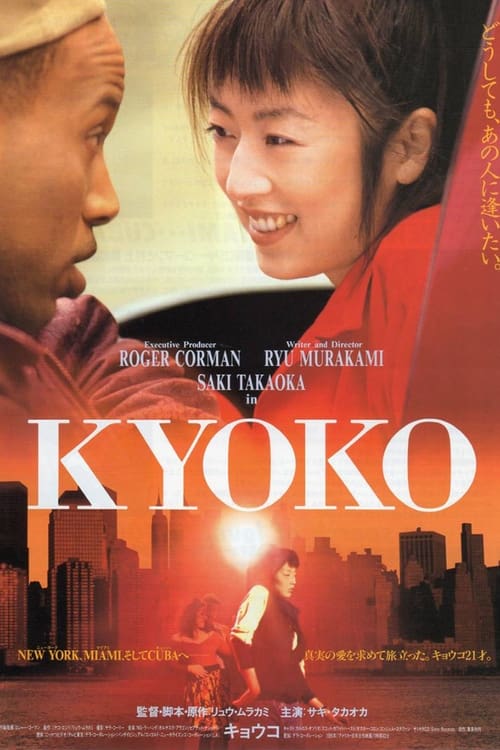
As a child, Kyoko learned latin dance from Jose, a Cuban-American serviceman stationed in Japan. Years later, Kyoko travels to New York to see Jose again. After much searching, she finds Jose, only to discover that he is dying of AIDS and no longer remembers much of his past, including the time he and Kyoko spent together.
1998
1991

2007

1998

2005

1987
1985

2016
No reviews yet. Be the first to share your thoughts on this movie!
Use the rating form above to leave a star rating and optional review.